Geopolitical tensions have come to a tipping point following the ominous military aggression against Iran by the United States and Israel. Despite suffering heavy blows, Iran continues to retaliate, and there is no visible sign of de-escalation. Rather, the frontier of the conflict is widening, with Israel attacking Lebanon and Iran targeting the countries with US military base in the region. This totally unprovoked and brazen act of aggression by a notoriously erratic US administration and its war-mongering allies has not only plunged the entire region into turmoil but also set the stage for a global economy shock.
The Middle East is the epicenter the global energy supply. Any instability in this region inevitably disrupts oil and gas supply chains. The conflict has already hampered production and export capacity in several oil and gas facilities across the Middle East. Saudi Arabia's largest domestic refinery operated by Saudi Aramco was reportedly shut down temporarily on Monday, while QatarEnergy halted liquefied natural gas (LNG) exports, triggering immediate volatility in global gas prices.
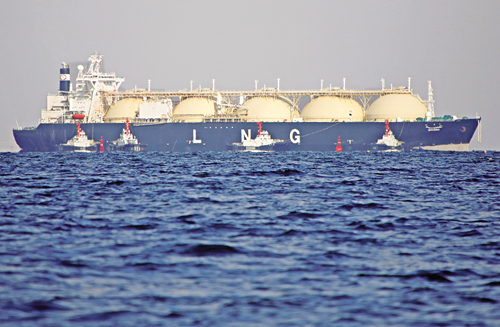
Even more alarming is Iran's effective siege of the Strait of Hormuz, the narrow maritime corridor linking the Persian Gulf to the Gulf of Oman. Roughly one-fifth of the world's oil supply passes through this chokepoint. Any disruption here sends shockwaves through international markets.
On Tuesday, Brent crude prices climbed sharply, rising from around $73 per barrel before the conflict to approximately $83. Analysts are warning of a possible surge to $100 if the conflict lingers. Financial institutions such as Goldman Sachs have cautioned that prolonged LNG disruptions could push Asian spot prices up by as much as 130 per cent.
The global economic consequences of such a scenario would be profound. For energy-importing countries, particularly developing economies, the shock could prove devastating.
For Bangladesh, the crisis highlights a long-standing structural vulnerability: excessive dependence on imported energy. According to Just Energy Transition Network Bangladesh (JETnet-BD), the largest energy network in Bangladesh promoting sustainable energy, the country currently meets about 97 per cent of its energy demand from fossil fuels, nearly 70 per cent of which are imported. Projections suggest that import dependency could rise to 90 per cent by 2030 if existing trends continue.
This reliance costs approximately Tk 1.5 trillion annually to import LNG, LPG, liquid fuel, and coal. Such a massive outflow of foreign currency places sustained pressure on the economy. Whenever global energy prices surge, Bangladesh experiences acute gas shortages, increased load shedding, industrial disruptions, and rising production costs.
The memory of the foreign exchange crisis following the outbreak of the Ukraine war is still fresh when the country's forex reserves fell dramatically from $48 billion to below $20 billion within two years. A similar energy-driven shock today could once again erode reserves, depreciate the local currency, and intensify inflationary pressure.
Bangladesh was not always this vulnerable to external shocks. Two decades ago, the country enjoyed relative energy self-sufficiency, largely due to domestic natural gas resources. However, policy failures gradually shifted the country toward heavy import dependence.
Energy and power are strategic assets. Excessive reliance on foreign suppliers inevitably exposes a nation to geopolitical risks beyond its control. In a world increasingly defined by geopolitical tension, such vulnerability is not merely economic; it is strategic.
Although the Energy and Power Master Plan emphasised achieving self-reliance, the deposed Awami League government, during its decade-and-a-half tenure, compromised the country's long-term energy security. By prioritising private power plants over state-owned facilities and favouring LNG imports over domestic exploration of gas and coal, the regime created a serious mess in the energy sector. This lack of prudent planning and financial discipline has saddled the nation with high-cost energy, undermined investor confidence and pushed public utilities like BPDB closer to insolvency. The regime did also enact a controversial indemnity law shielding questionable deals in the power sector from scrutiny. Although this law has been repealed by the interim government, the structural crisis of the sector remains.
The new government faces the urgent task of pulling the power and energy sectors out of the crisis and mismanagement it has inherited. This requires more than short-term corrective measures. What is needed is a coherent, long-term energy master plan grounded in a reliable fuel supply chain and investment in transmission infrastructure. To this end, domestic gas exploration must be intensified, both onshore and offshore, particularly in the underexplored blocks of the Bay of Bengal. At the same time, the responsible and environmentally sound utilisation of domestic coal resources deserves reconsideration. While coal mining remains controversial, a transparent and scientifically managed framework could help lessen the country's overwhelming dependence on imported fuel.
Equally important is the expeditious integration of renewable energy into the national grid. Expanding large-scale solar parks, encouraging rooftop solar installations, and investing in waste-to-energy plants could significantly diversify the energy mix. Around the world, the momentum is clearly shifting toward renewables and other low-emission alternatives, including nuclear power.
Bangladesh can take a leaf out of Sri Lanka's rapid transition to renewable energy. After experiencing a severe economic and energy crisis in 2022-23, marked by prolonged power outages and steep tariff hikes, Sri Lanka made a decisive shift towards renewables. Nearly half of its electricity now comes from renewable sources, primarily hydropower, and it aims to raise this share to 70 per cent by 2030. Academic institutions and private enterprises there are actively working to develop technologies that better integrate renewables into the national grid. Neighbouring India and Nepal are also investing in waste-to-energy technologies, transforming municipal waste into electricity while improving environmental management.
The ongoing Middle East conflict serves as a stark reminder that energy security is inseparable from national security. For Bangladesh, excessive import dependence is no longer merely an economic concern; it has become a strategic liability. Without a judicious and forward-looking energy policy, the country risks exposure to external shocks. Energy self-reliance may not be fully attainable in a globalised world, but reducing vulnerability is both achievable and essential.
aktuhin.fexpress@gmail.com
© 2026 - All Rights with The Financial Express

