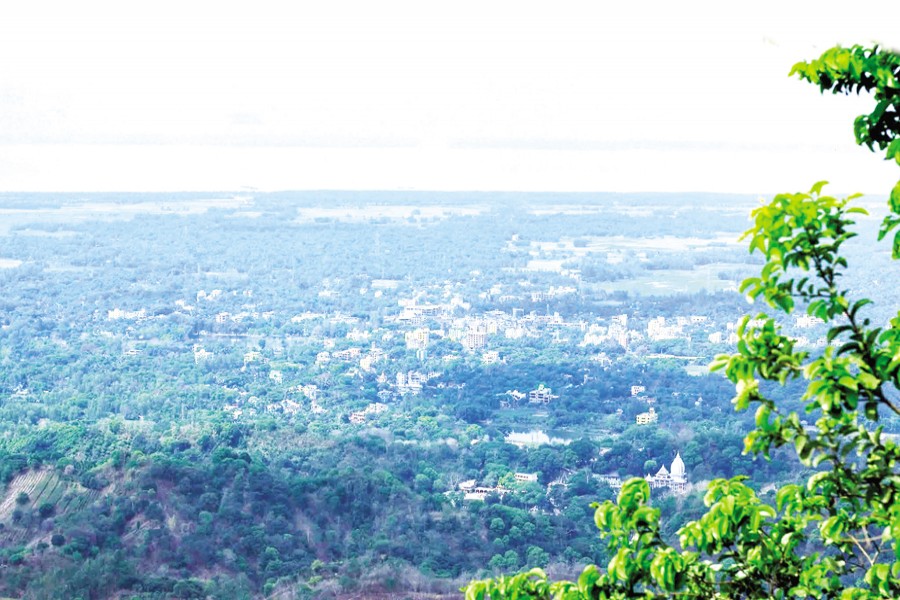
 Chandranath Hill overlooking the Bay of Bengal below
 Have you ever imagined reaching, within just a few hours, a place where you can lose yourself in lush green hills, soak in the cool waters of serene waterfalls, and then find solace at a quiet seaside with endless blue horizons? This fairy-tale-like experience is no longer a dream but a reality in Sitakunda, Chattogram.Surrounded by diverse natural beauty, you find yourself immersed in a living painting of nature. Picture the golden morning sun casting its glow over the Bay of Bengal, soft white sands beneath your feet, mist dancing around mountain peaks, and the soothing sounds of birds and waterfalls filling the air — this is Sitakunda, a hidden sanctuary of nature.Climbing the winding steps of Chandranath Hill reveals vast expanses of greenery and an unending sea where waves bow to the mountains. The waterfalls—Sahasradhara, Suptadhara, and Jharnajhori—rush down with refreshing coolness, blending pure mountain beauty with tranquil solitude.For a taste of ancient history, visit the Chandranath Temple. Trekking uphill, you’ll witness breathtaking sunsets and cloud dances that transport you to a dreamlike realm.As sustainable tourism grows in Bangladesh, Sitakunda stands out as the next remarkable destination. It offers not just sights but profound experiences—a perfect fusion of hills, sea, waterfalls, rural life, and spirituality, forming a “complete nature package.”Easily accessible from Dhaka and across the country, this stunning haven remains unknown to many. Now is the time to ask: Could Sitakunda be Bangladesh’s next tourism sensation?Nature calls you to Sitakunda—come and feel this paradise with your heart, not just your eyes.
Strategic Geographic Location: An Ideal Nature Tourism Venue
Sitakunda’s unique geographic setting makes it one of Bangladesh’s most strategic nature tourism destinations. Situated beside the country’s major economic corridor—the Dhaka-Chattogram highway—this region lies just 250 kilometers from the capital Dhaka and 37 kilometers from the port city Chattogram. Flanked by the Chattogram hill range to the east and the expansive Bay of Bengal to the west, this rare natural diversity is unmatched anywhere else in Bangladesh. Excellent connectivity combined with breathtaking natural beauty positions Sitakunda as an ideal ‘Weekend Nature Gateway’ for tourists.
Historical and Cultural Significance: A Confluence of Myth, History, and Faith
Sitakunda is more than a natural wonder; it is a repository of ancient history, religious faith, and vibrant local culture. Known in Hindu mythology as ‘Sita’s Pond’ (Sitar Kund), the Chandranath hilltop temple has been a revered pilgrimage site for centuries, attracting hundreds of thousands annually during the Maha Shivaratri festival. In 2023 alone, around 270,000 visitors came to the temple area, according to the Bangladesh Hindu Religious Welfare Trust. Alongside historical temples, the region’s indigenous hill communities add rich cultural diversity that increasingly fascinates tourists. With global interest in heritage and spiritual tourism growing at 15-18% annually (UNWTO, 2024), Sitakunda stands out as a promising ‘Hidden Heritage Destination.’ The Bangladesh Tourism Board recognizes this and has prioritized Sitakunda as a ‘Natural and Cultural Heritage Spot.’
Emerging Hotspot for Eco and Nature Tourism
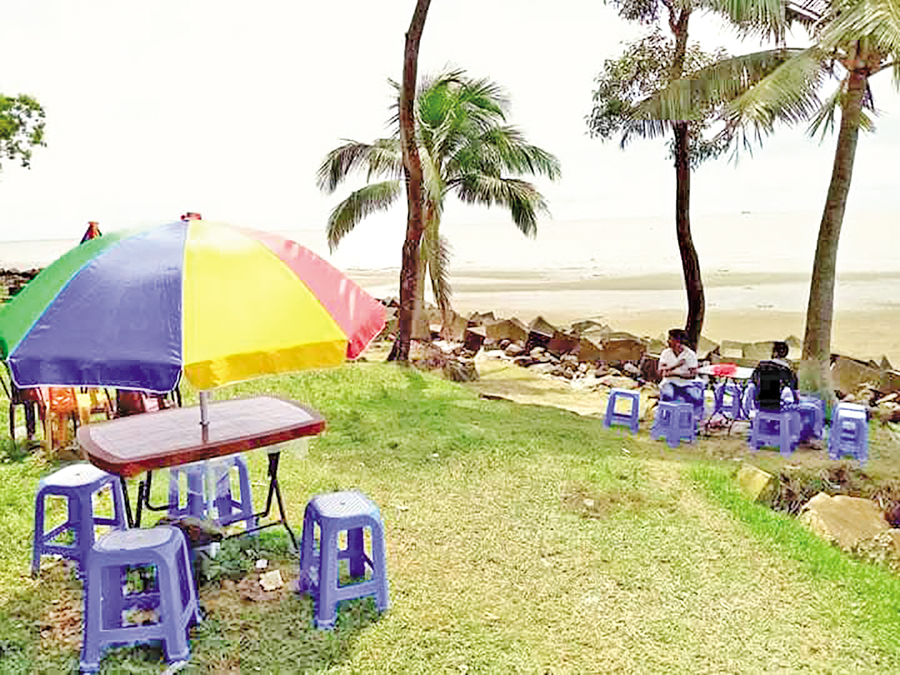
Eco-tourism and nature tourism are among the fastest-growing sectors worldwide, with average annual growth exceeding 20% (UNWTO, 2024). Sitakunda’s diverse natural assets—mountains, waterfalls, and seashores—offer a unique blend rarely found elsewhere. The area boasts over 47 waterfalls, including popular trekking spots like Suptadhara, Sahasradhara, Khoiyachara, Napittachara, and Kamaldaha, attracting international adventure tourists. Adventurous hiking trails leading to Chandranath temple provide a blend of thrill and spiritual solace.Beyond waterfalls and hills, Sitakunda’s sprawling 1,000-acre Botanical Garden and Eco Park host hundreds of rare plant and animal species, serving as centers for education, research, and nature tourism.
Sustainable Development and Strategic Investment Potential
In an era where climate change and sustainability dominate global discourse, Sitakunda’s biodiversity and natural wealth make it a strategic destination for eco-friendly tourism investments. Experts emphasize that with proper branding, infrastructure, and local community involvement, Sitakunda can evolve into a premier nature tourism icon not just in Bangladesh but across South Asia.
Balancing Environment and Economy: The Future of Sustainable Tourism
Developing international-standard tourism facilities—including eco-resorts, adventure parks, and hill trekking infrastructure—can transform Sitakunda into a model of sustainable tourism. Such initiatives will boost local employment, increase women’s participation, and ensure conservation of natural resources. Given global trends favoring low-cost, nature-rich, adventure tourism, Sitakunda is poised to become a highly sought-after destination domestically and internationally.
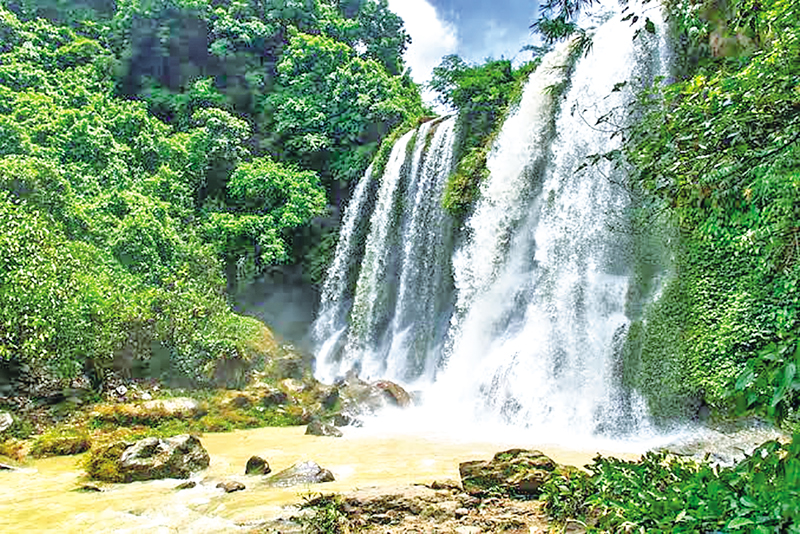
Suptadhara Waterfall
National and International Significance: A New Frontier in Tourism Branding
According to UNWTO, nature and adventure tourism sectors grow annually by about 20%. If incorporated into government priority tourism zones, Sitakunda could become the focal point of Bangladesh’s tourism growth, easily branded as an affordable and attractive nature tourism destination for both local and foreign visitors.
Key Attractions:
l Chandranath Hill
l Botanical Garden & Eco Park
l Sahasradhara Waterfall
l Suptadhara Waterfall
l Jharjhari Waterfall
l Rupshi Waterfall
l Hazarikhil Wildlife Sanctuary
l Mahamaya Lake
l Sitakunda Coastal Area & Embankment: Developing Marine Drive—Potential New Tourism Route
l Guliakhali Beach
l Banshbaria Beach & Sandwip Ferry Ghat
l Barabakund Naralia Beach
l Akilpur Beach
l Kumira Ferry Ghat
l Bhatiari Lake & Trails
l Fauzdarhat DC Park
l Port Link Road along Patenga Beach
l Visiting the traditional fisherman village (Jele Polli)
l Bayazid Link Road cutting through two hills
Sitakunda: Bangladesh’s Next Iconic Brand in Nature Tourism
In today’s global tourism landscape, travelers seek meaningful experiences over mere sightseeing. Against this backdrop, Sitakunda—especially Chandranath Hill—stands poised to emerge as Bangladesh’s next iconic destination for both spiritual and nature tourism. This region offers a rare blend of hills, sea, waterfalls, spiritual heritage, and adventure, making Sitakunda a unique offering on the world tourism map.
Chandranath Hill offers more than just trekking or panoramic views; it delivers a multi-dimensional experience featuring:
l A touch of spiritual tranquility with rich mythological heritage,
l Thrilling adventure on a 350-meter trekking trail,
l Breathtaking vistas of the endless blue Bay of Bengal,
l Stunning sunrise and sunset views,
l Easy accessibility—only 40 minutes from Chattogram city.
When compared to renowned spiritual-nature tourism destinations like Vaishno Devi in India, Pashupatinath in Nepal, or the Tiger’s Nest Monastery in Bhutan, Chandranath Hill stands out as a rare convergence of spirituality, adventure, and natural beauty.
According to UNWTO’s 2024 report, nature and spiritual tourism are growing at an annual rate of 20%. Within this global trend, Sitakunda has the potential to transform from a ‘hidden gem’ into a globally recognized tourism icon.
Experts believe that with improved infrastructure, safe trekking routes, community inclusion, and sustainable development, Sitakunda could become Bangladesh’s first “Spiritual Adventure Hub.” Additionally, it could serve as a regional center for a cross-border pilgrimage circuit, strengthening spiritual connections across South Asia.
The combination of hills, sea, waterfalls, and sacred temples offers a compelling narrative to present Bangladesh anew to global travelers. With proper branding and timely policy support, Sitakunda can redefine the country’s tourism landscape and emerge as one of South Asia’s top nature tourism destinations. The time is now to introduce Sitakunda to the world.
Sitakunda Botanical Garden and Eco-Park: The Future Model for Bangladesh’s Green Tourism
In today’s global nature tourism landscape, environmental conservation, biodiversity protection, and local economic inclusion are becoming top priorities. Against this backdrop, Sitakunda Botanical Garden and Eco-Park has the potential to emerge as Bangladesh’s first true ‘Nature-Based Sustainable Tourism Hub.’ Spanning nearly 800 hectares of lush forested hills, this destination is more than just a scenic getaway—it is a living “natural laboratory,” home to over 400 species of rare and medicinal plants and 275 species of birds and wildlife.
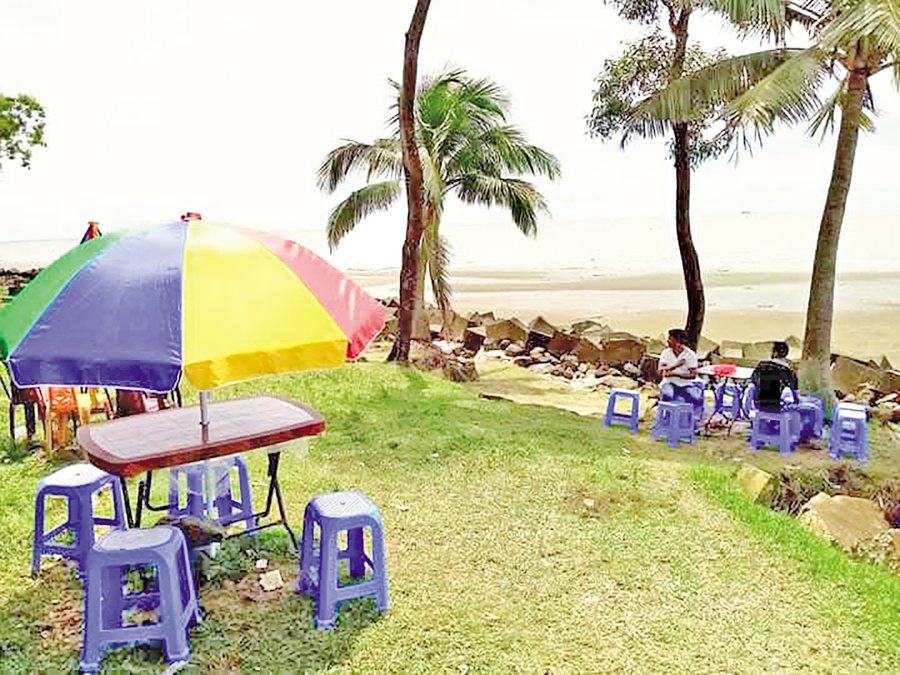
Akilpur Beach
Much like the globally celebrated nature tourism destinations—Monteverde Cloud Forest in Costa Rica or Geiranger Fjord in Norway—Sitakunda offers an opportunity to implement a “Nature Conservation with Community Benefit” model. By promoting homestays, local guides, indigenous agricultural products, and handicrafts, Sitakunda can ensure that tourism directly benefits the local community.Mirroring the success of Scandinavian countries in sustainable tourism, Sitakunda could be developed as Bangladesh’s first “Green Economy Pilot Zone,” featuring:
l Eco-friendly infrastructure.
l Active participation of local communities.
l Robust biodiversity conservation strategies.
Experts believe this is the ideal time to reposition Sitakunda on the global tourism map with the branding — “Where Nature Meets Spirituality and Adventure.” With proper planning and joint public-private investment, Sitakunda can become Bangladesh’s first international-standard Nature-Eco-Spiritual Tourism Circuit. This unique destination holds the promise of ushering in a new era for nature tourism in Bangladesh, setting a national benchmark for sustainable and inclusive travel experiences.
Sahasradhara: Bangladesh’s Underrated Natural Wonder
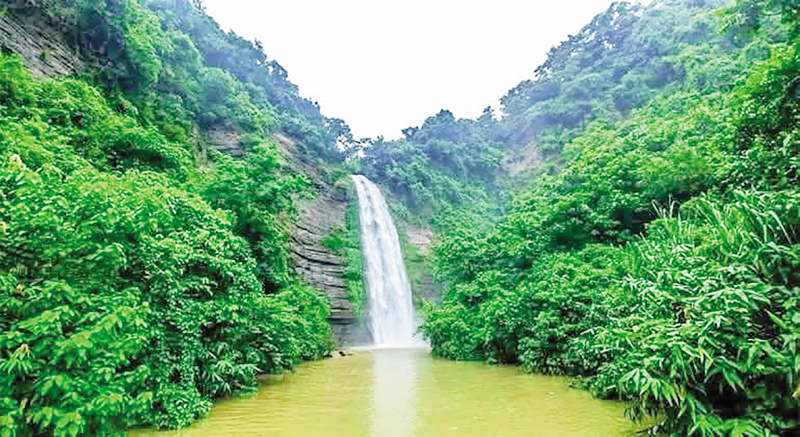
Sahasradhara Waterfall
In the world of nature tourism, waterfalls hold a unique allure. Just like Madakaripura in Indonesia, Skógafoss in Iceland, or Dudhsagar Falls in India drive local economies, Sahasradhara in Sitakunda is emerging as a promising hub for sustainable tourism in Bangladesh. Located just an hour from Chattogram city, Sahasradhara stands out for its 30-40 feet cascading falls, crystal-clear water, and serene environment. It offers more than scenic beauty—it holds economic promise for local communities. With community-based tourism models, Sahasradhara can exemplify Bangladesh’s green economy potential. International travelers often describe it as a “hidden paradise.” Featuring easy trekking trails, minimal carbon footprint, and untouched natural beauty, now is the ideal time to brand Sahasradhara as Bangladesh’s flagship eco-tourism destination.
Suptadhara Waterfall: Sitakunda’s Hidden Nature Tourism Sanctuary
As global nature tourism shifts toward peaceful, pristine destinations, Suptadhara Waterfall in Sitakunda is quickly gaining attention as a hidden sanctuary. Similar to Ban Gioc Falls in Vietnam or Devi’s Falls in Nepal, Suptadhara offers an offbeat experience for eco-tourists. Nestled within the lush trails of Sitakunda Eco-Park, this tranquil waterfall combines crystal-clear streams, birdsong, and dense jungle for an unforgettable natural escape.
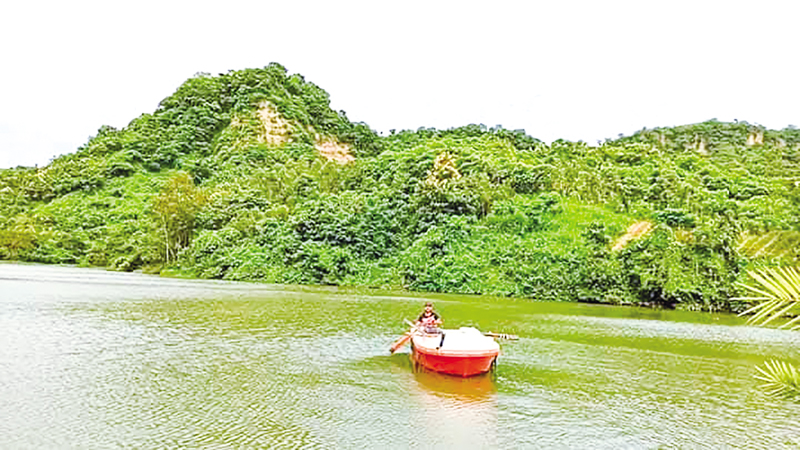
Sahasradhara Lake
Suptadhara aligns with the rising global trend of “nature therapy.” Dr. Farhana Kabir, a Bangladeshi eco-tourism expert, notes, “Suptadhara could be a premier ‘nature therapy destination’ in Bangladesh, uplifting the local economy.” Tourists describe Suptadhara as a perfect blend of peace and adventure—free from crowds and commercialization. With planned infrastructure and eco-friendly initiatives, Suptadhara has the potential to become one of Bangladesh’s top nature tourism hotspots.
Jhorjhori Waterfall: A Hidden Gem for Offbeat Nature Tourism
Offbeat, crowd-free, and nature-centric travel is becoming increasingly popular worldwide. Like Namobuddha in Nepal, Ba Ho Waterfalls in Vietnam, or Chiling Falls in Malaysia, Sitakunda’sJhorjhori Waterfall is emerging as a “hidden escape” for nature lovers. Just an hour from the city, Jhorjhori remains untouched by mass tourism—offering peaceful hill trails, serene streams, and refreshing waterfalls.
l Exciting trekking routes.
l Vibrant waterfalls during monsoon.
l Quiet nature with authentic off-the-beaten-path experiences.
Although community tourism holds potential here, Jhorjhori remains relatively undiscovered. Travelers praise its unspoiled, pure natural setting. With sustainable infrastructure and responsible tourism practices, Jhorjhori could become Bangladesh’s signature “Soft Adventure and Pure Nature” destination—where trekking meets soulful connection with nature.
Hazarikil Wildlife Sanctuary: Bangladesh’s Living Laboratory of Nature Tourism
Like global eco-tourism hotspots such as Malaysia’s Belum Rainforest or Nepal’s Chitwan National Park, Hazarikil Wildlife Sanctuary in Sitakunda holds vast untapped potential for Bangladesh. Spanning over 2,090 hectares, this forest is more than just greenery—it is a vibrant rhythm of life, home to 250 species of birds, more than 20 species of mammals, and countless forms of wild biodiversity.
l Scenic hill trails, bamboo bridges, waterfalls, and melodious birdsong
l Unspoiled natural serenity and tranquility
l Active local community involvement with strong rural economic potential
In line with the latest global trends in tourism—especially “Nature Immersion with Cultural Simplicity”—Hazarikil has the potential to become one of Bangladesh’s flagship eco-tourism destinations. The soothing sound of waterfalls, rustling leaves, and chirping birds create a harmonious symphony of nature. With proper conservation and sustainable management, Hazarikil can transform into one of South Asia’s premium nature retreats, offering a rare blend of pristine wilderness and authentic local culture.
Mahmaya Lake: Bangladesh’s Hidden Lakeside Paradise in Nature Tourism
Just like Vietnam’s Ha Long Bay, Thailand’s Cheow Lan Lake, or India’s Tehri Lake, Bangladesh’s Mahmaya Lake holds the promise of becoming one of South Asia’s most offbeat lakeside destinations. Nestled amidst the scenic hills of Sitakunda, this stunning 11 square kilometer emerald-blue waterbody is opening a new chapter for regional nature tourism.
l Kayaking, boating, and nature trails
l A winter sanctuary for migratory birds
l A perfect spot for off-the-beaten-path tourism
Mahamaya Lake exemplifies the global trend of “Nature with Recreation,” where crystal-clear waters, serene waterfalls, and tranquility merge seamlessly. With proper infrastructure, eco-friendly trails, and responsible tourism policies, Mahamaya has the potential to emerge as Bangladesh’s first international-standard lakeside nature tourism destination. Mahamaya is a silent call of nature—where visitors reconnect with themselves.
Sitakunda Coastline and Marine Drive: Bangladesh’s Emerging Coastal Tourism Corridor
Coastal drives are fast becoming iconic in global tourism—be it the Pacific Coast Highway in the USA, the Great Ocean Road in Australia, or the Garden Route in South Africa. These scenic routes offer more than travel—they offer an immersive experience with nature. In Bangladesh, Sitakunda’s newly developing Marine Drive holds similar potential to become the country’s very own “Great Ocean Road.”Sitakunda’s coastal stretch brings together the blue waves of the Bay of Bengal with the lush green hills, creating a unique blend of sea and mountains. The Marine Drive is poised to transform the entire region into a thriving tourism destination, offering panoramic sea views, misty monsoon skies, and peaceful winter seascapes—enchanting visitors in every season.Unspoiled beaches like Banshbaria, Guliakhali, and Bara Kumira remain relatively untouched, showcasing raw natural beauty. Activities like beach camping, boat rides, and local cultural interactions offer a refreshing new perspective for tourists. The coastal communities, their simple lifestyle, seafood traditions, and intimate connection with nature enrich the visitor experience.Global trends now emphasize “Sustainable Coastal Tourism” and “Community-Based Tourism.” With proper planning, safe infrastructure, and eco-friendly management, Sitakunda’s Marine Drive and its coastal belt can be developed into Bangladesh’s first international-standard coastal tourism corridor.More than just a road, the Marine Drive represents Bangladesh’s evolving tourism dreams—blending nature and culture to capture the hearts of travelers while unlocking new economic opportunities. Guliakhali Sea Beach: Bangladesh’s Hidden Sanctuary of Green Tourism
Guliakhali Sea Beach in Sitakunda offers a rare and captivating blend of tranquility, mangrove forests, and offbeat natural beauty—similar to the world’s top nature destinations like New Zealand’s Pohara Beach, Vietnam’s Cat Ba Island, and Thailand’s Phra Thong Beach.Unlike typical sandy beaches, Guliakhali offers a unique landscape where calm ocean waters merge seamlessly with lush grassy meadows. The mangrove breathing roots, vast greenery, and natural canals create a stunning and distinctive coastal ecosystem.As global demand for green tourism continues to grow, Guliakhali is emerging as one of Bangladesh’s most appealing offbeat destinations. Here, you won’t find the crowds or commercial development common to other beaches—only pure nature, the soothing sounds of birds, the earthy scent of the soil, and the soft roar of the sea. Local life is simple, with fresh seafood and eco-friendly surroundings making it a shining example of community-based tourism in Bangladesh.Tourism experts note that “the nature-sea-mangrove combination is now a leading trend in global tourism, and Guliakhali represents it perfectly.” With responsible planning and sustainable infrastructure, it has the potential to become Bangladesh’s first eco-friendly coastal tourism destination. Guliakhali is more than just a travel spot—it’s the silent song of Bangladesh’s natural purity. For travelers seeking to reconnect with nature, Guliakhali stands out as one of the finest nature tourism experiences in the country.
Banshbaria Beach &Sandwip Ferry Terminal: A New Coastal-Island Tourism Model for Bangladesh
Much like Thailand’s Krabi, Malaysia’s Langkawi, or Croatia’s Dalmatian Coast, Sitakunda’sBanshbaria Beach and Sandwip Ferry Terminal are rapidly shaping up to be Bangladesh’s next island-connected coastal destination.
Banshbaria Beach Banshbaria Beach is a hidden coastal gem that offers tranquility, seclusion, and an off-the-beaten-path seaside experience. Its iconic newly built road extends gracefully into the sea, providing panoramic views of shifting tides and unforgettable sunsets. Visitors often describe it as ‘a perfect escape for slow tourism—pristine, peaceful, and visually captivating.
Sandwip Ferry Terminal serves as the modern gateway to Sandwip Island, just a short boat ride away. This connection has added an ‘island destination’ dimension to Sitakunda’s tourism scene, where Sandwip offers an authentic island lifestyle with traditional culture and farming heritage.
The Integrated Coastal Experience:
With Banshbaria and Sandwip combined, visitors can experience hills, the sea, and an island adventure all in one day. With sustainable tourism strategies, this region can evolve into Bangladesh’s first “Coastal-Nature-Island Tourism Corridor,” setting new international standards for coastal tourism in the country.
BarbakundNaralia Beach: The Quiet Reflection of Bangladesh’s Untouched Sea
Similar to Thailand’s Koh Yao or Vietnam’s Con Co Beach—renowned for sustainable, low-impact tourism—Naralia Beach in Barbakund holds immense potential for mindful beach tourism in Bangladesh.
l A secluded, quiet beach free from the chaos of commercialization.
l An authentic experience of local fishing culture and village life.
l Pristine nature without commercial intrusion.
According to nature experts, “Naralia is one of the last remaining beaches in Bangladesh where nature exists in its purest form.” For travelers, Naralia offers a rare, offbeat experience—with seashells, crabs, and untouched sandy stretches defining the landscape.
l Zero commercial pressure and minimal carbon footprint
l Huge potential for offbeat coastal trails and nature walks
Naralia has the capacity to become Bangladesh’s signature destination for “slow and mindful beach tourism,” providing visitors with a peaceful connection to nature and local culture.
Akilpur Beach: Easy Access, Deep Serenity
Located between Kumira and Sitakunda, Akilpur Beach is rapidly gaining popularity for its easy accessibility and tranquil setting. It offers a peaceful retreat for families and couples seeking a quiet escape.Sitakunda’s coastline is like an expansive natural gallery—each beach expressing itself with different hues and rhythms. At first glance, the sea gently pulls you into its embrace. Here, all you hear is the silence of the ocean, the salty scent carried by the breeze, and the endless blue horizon. Time seems to slow down. Closing your eyes to the soft murmur of the waves, it feels as though nature is quietly telling you a story. In the soft light of sunrise, Akilpur feels like a dream wrapped in gold, while the fiery sunsets paint the sea with emotional colors.
Untapped Potential, Silent Beauty
This is where Akilpur’s immense charm lies. With planned conservation and eco-friendly initiatives, Akilpur could become one of Bangladesh’s premier secluded beach destinations. Introducing small wooden trails, beach camping, or cycling paths would bring visitors closer to its nature, all while preserving its pristine purity.
Kumira Ferry Terminal: Gateway to Island Tourism
Kumira Ferry Terminal marks the beginning of a friendship with the sea and a love for islands. Serving as a key regional connectivity hub, Kumira is the main gateway for tourism to Sandwip and other coastal areas. It is a major attraction for day trips and island explorations from Sitakunda. A ferry or speedboat from Sitakunda’s coast reaches the island in just 45 minutes.
Here, the vastness of the sea blends with the island’s natural beauty. Morning at the ferry terminal is filled with the sounds of boat horns, fishermen’s busy preparations, and the ocean’s calm. Standing at the ferry dock, crossing the sea and spotting Sandwip’s shoreline is a memorable moment. Experts believe that with proper planning, Kumira could become Bangladesh’s island tourism hub. Facilities like a waterfront coffee shop, tourist information center, and modern ticketing systems could be developed alongside the terminal. Kumira is not just a transit point—it is a promising coastal tourism destination for Bangladesh.
Bhatiari Lake and Trail: The Golden Address of Hills, Lake, and Adventure
Worldwide, “hiking lake tourism” is growing in popularity. Bhatiari Lake and Trail in Sitakunda offer just that—a perfect mix of hill views and lakeside trekking adventure.
Here, hills silently reach for the sky, the lake’s calm waters ripple gently in the breeze, and winding trails around the lake awaken curiosity at every turn—welcome to Bhatiari. It is one of Bangladesh’s most stunning natural destinations, where hill beauty, lake tranquility, and thrilling trekking come together.
The first time you stand by Bhatiari Lake, it feels like opening a storybook. Surrounded by green hills, the bluish lake is like a peaceful sky, touched by gentle winds. The reflection of hills in the water brings to mind glimpses of Nepal’s Pokhara “Phewa Lake” or Vietnam’s Sapa “Love Lake”—a wondrous sight found right here in Bangladesh.
Every twist of the trail reveals new scenery—sometimes cloud-capped mountain peaks, sometimes sparkling lake waters, sometimes faint outlines of the distant sea horizon.
Comparison:
If you seek the calm of a lakeside hill in Pokhara, you will find a similar atmosphere in Bhatiari. If you enjoy the thrill of losing yourself in Sapa’s trails, Bhatiari’s trail offers the same excitement. The only difference is that here you are immersed in Bangladeshi nature and the enchanting touch of hill air.
Bhatiari: Sitakunda’s Nature Trail Capital
With proper planning, Bhatiari can become one of Bangladesh’s top international destinations for trekking and eco-tourism. Small wooden trails, hilltop cafes, observation towers, and lakeside resorts can be developed here to enhance the experience.
Port Link Road: A Modern Nature Drive Along the Coastline
Port Link Road connects the natural beauty of Sitakunda’s coastline with modern infrastructure, creating an exceptional experience for travelers. Stretching from Patenga to Sitakunda, this coastal route is one of Bangladesh’s most attractive “ocean drives.” Just a half-hour drive from Sitakunda, Patenga is rapidly emerging as a vibrant “city-beach hub.”On one side of the road lies the vast blue expanse of the sea, while on the other, lush green hills rise—offering ever-changing scenic views at every turn. Although reminiscent of Vietnam’s Cam Ranh Bay or Thailand’s Krabi coast in its coastal charm, Port Link Road boasts its own unique diversity. The combination of mangrove forests, secluded beaches, and vibrant fishing villages makes it a perfect escape from the city’s hustle and bustle.Ideal for cycling, motor drives, or enjoying a calm evening, this road is opening new avenues for coastal tourism in Bangladesh.
Visiting the traditional fisherman village (Jele Polli)
Where one can witness the vibrant daily life of local fishermen—watch them skillfully cast their nets into the ocean, haul in live fish, and head out to sea in wooden boats, continuing a way of life passed down through generations.
Bayazid Link Road: The Country’s ‘Scenic Road’ Through the Heart of Hills
Scenic drives are popular tourist attractions worldwide, and Sitakunda’s Bayazid Link Road has the potential to become Bangladesh’s first iconic hill drive tourism route. Just minutes from the city’s noise, this modern road leads into the tranquil embrace of verdant hills, where nature and infrastructure blend beautifully. At every bend, travelers can pause to admire stunning natural vistas.Bayazid Link Road is more than just a road—it is Bangladesh’s own scenic route, offering a unique experience comparable to Vietnam’s Hai Van Pass or Sri Lanka’s Ella-Nuwara Eliya Road. From here, reaching destinations like Guliakhali Beach, Mahamaya Lake, Banshbaria, and Hazarikhil is easy and convenient.Perfect for cycling, biking, and driving, with proper planning and conservation, the addition of watchtowers, cafes, and connected trails could transform Bayazid Link Road into one of the nation’s premier scenic drive routes.
Tourism vs. Industrialization: Will Sitakunda Lose the Story of Bangladesh’s Hidden Paradise?
Like the world’s top tourist destinations, Sitakunda on Bangladesh’s southeastern coast stands at a unique crossroads. On one side lies breathtaking nature—evergreen hills, crystal-clear lakes, and pristine waterfalls; on the other, a rapidly emerging industrial powerhouse. The pressing question is: will Sitakunda become Bangladesh’s next nature tourism marvel, or will it be swallowed by concrete and steel?
Sitakunda: Bangladesh’s Hidden Paradise
Sitakunda’s landscape is extraordinary not just for Bangladesh but for South Asia as a whole. The wildlife sanctuary of Hazarikhil, the clear waters of Mahamaya Lake, the spiritual aura of Chandranath Hill, the mountain waterfalls of Sahasradhara, and the green mangrove beaches of Guliakhali and Banshbaria together create a ‘multi-ecosystem tourism corridor.’ For those who find peace in Nepal’s Pokhara lakes, love the mountain silence of Vietnam’s Sapa, or lose themselves in Sri Lanka’s Nuwara Eliya greenery, Sitakunda offers a stunning “close-to-home” alternative.
The Rise of Industrialization — What Price for Nature?
The challenge lies here. Sitakunda is fast becoming the epicenter of industrial development. The Mirsharai National Special Economic Zone (NSEZ), robust power projects, and the ship-breaking industry have turned the entire coast into a hub of rapid industrial growth. This progress has begun to exact a hidden toll: river infill, hill cutting, drying lakes, and endangered coastal ecosystems are now harsh realities.
Is Sitakunda Ready for Sustainable Tourism?
Nature tourism is the fastest-growing sector in the global travel economy. Countries like Nepal, Vietnam, and Sri Lanka have turned their natural assets into major economic drivers. Despite Sitakunda’s vast potential, Bangladesh’s tourism sector here remains underdeveloped. Experts warn that without nature buffer zones, eco-tourism villages, sustainable resorts, and tourism-driven green economies, Sitakunda’s natural wealth will not survive the onslaught of industrialization.
Is There an Alternative?
Examining models from developed countries shows that separating green zones from industrial zones can allow economic growth alongside nature conservation. The same policy applies to Sitakunda. Declaring areas like Guliakhali, Banshbaria, Mahamaya, Vatiari, and Hazarikhil as eco-tourism zones, and boosting local tourism-based employment and income, can transform Sitakunda into Bangladesh’s next “green engine” for foreign currency earnings.
Sitakunda’s Struggle: Economic Growth vs. Sustainable Future
Right now, Sitakunda faces a stark reality. Will it be just another fast-growing industrial corridor, or will it emerge as the country’s first global nature tourism corridor? The answer depends on today’s choices. Unchecked industrialization risks losing one of Bangladesh’s most promising “hidden paradises.” On the other hand, planned conservation and sustainable tourism development could make it one of South Asia’s most notable eco-tourism brands.For Bangladesh, Sitakunda is not just a region—it is part of the nation’s future global identity. The decision is now: will Sitakunda become merely another industrial zone, or will it gain international fame as the “next wonder of nature tourism”?
Infrastructure Deficits and Lack of Investment
When we talk about world-class nature tourism destinations like Nepal’s Pokhara, Vietnam’s Sapa, or Italy’s Lake District, Sitakunda can claim the same natural beauty and diversity: hills, lakes, waterfalls, mangrove forests, and pristine coastlines—all are here. Yet unfortunately, Sitakunda remains a “sleeping wonder,” hindered by poor infrastructure and long-standing investment shortages.
A Treasure Trove of Untapped Potential
Sitakunda is Bangladesh’s only coastal area where hills and sea coexist. The wildlife of Hazarikhil, Mahamaya Lake, Chandranath’s hill trails, Guliakhali’s green mangroves, and Banshbaria’s shell-strewn beaches—all hold potential to become world-class tourism brands. While neighboring South Asian countries have built economies around such natural beauty, Sitakunda still lacks adequate care and development.
Weak Infrastructure: Paradise Out of Reach
The main obstacle for experienced tourists is Sitakunda’s lack of planned or quality tourism infrastructure. Good resorts or lodges are nearly absent; modern facilities like viewpoints or nature camps don’t exist. Access roads to many scenic spots remain unpaved or hazardous. Despite breathtaking natural beauty, visitor experiences are often compromised.
Investment: Opportunity Present but Initiative Lacking
Currently, Sitakunda’s tourism sector depends mostly on small-scale local initiatives. There is no visible international or national-level sustainable investment—no eco-resorts, nature adventure parks, or modern cultural tourism models. Meanwhile, places like Sri Lanka’s Nuwara Eliya, Vietnam’s Ha Giang, and India’s Mussoorie have shown that sustainable infrastructure and eco-friendly investments can turn natural destinations into global tourism hotspots.
The Time to Act Is Now
Experts agree that a tourism boom in Sitakunda is just a matter of time—provided there is proper planning and targeted investment. If the government establishes specific eco-tourism zones, incentivizes the private sector, and builds reliable connectivity with world-class infrastructure, Sitakunda could emerge as South Asia’s premier nature tourism hub. By integrating destinations like Guliakhali, Mahamaya, Sahasradhara, and Hazarikhil into a cohesive “green tourism corridor,” Bangladesh’s first comprehensive eco-tourism route can be realized.
Will Sitakunda’s Hidden Paradise Be Lost?
While countless countries worldwide convert their natural resources into major foreign exchange earners, Sitakunda risks fading away due to lack of investment and planning. Devoting this area solely to industrialization would mean losing a priceless nature tourism asset in the long run. But it’s not too late. With the right approach, Sitakunda can become a key driver of Bangladesh’s sustainable economy and a shining name on the global tourism map.

Sitakunda’s nature is not only Bangladesh’s pride but could become the world’s next nature tourism marvel—requiring only a shift in vision and bold, sustainable investment.
Conclusion: Sitakunda — The Hidden Paradise Poised to Become the Next Nature Icon
Among the world’s top nature tourism destinations—whether Switzerland’s Lucerne, Nepal’s Pokhara, or Vietnam’s Sapa—Sitakunda has the potential to be Bangladesh’s next natural wonder. The unique blend of hills, lakes, waterfalls, sea, and green mangroves is enough to captivate any international traveler. Yet this hidden paradise still awaits thoughtful unveiling, timely conservation, and globally competitive tourism development.
We invite all travelers to see Sitakunda with fresh eyes. Here lies not only nature’s beauty but fading culture, mysterious history, and rich biodiversity. Let Sitakunda be your next destination to not just witness nature but to carry the silent responsibility of preserving it.
On behalf of the global tourism community, we urge the Bangladesh government to develop this natural sanctuary as a sustainable eco-tourism hub. Let not rapid industrialization overshadow Bangladesh’s global potential. With sound policy, Sitakunda’s preservation and growth can make it one of South Asia’s foremost “green destinations.”
History proves that proper policy, eco-friendly investment, and responsible tourism development can turn any “hidden paradise” into a worldwide marvel. Sitakunda stands at that gateway—ready to become not just Bangladesh’s new economic powerhouse but South Asia’s most coveted nature destination.
The time is now—to showcase Sitakunda to the world and to ignite Bangladesh’s sustainable nature tourism revolution.
© 2026 - All Rights with The Financial Express

