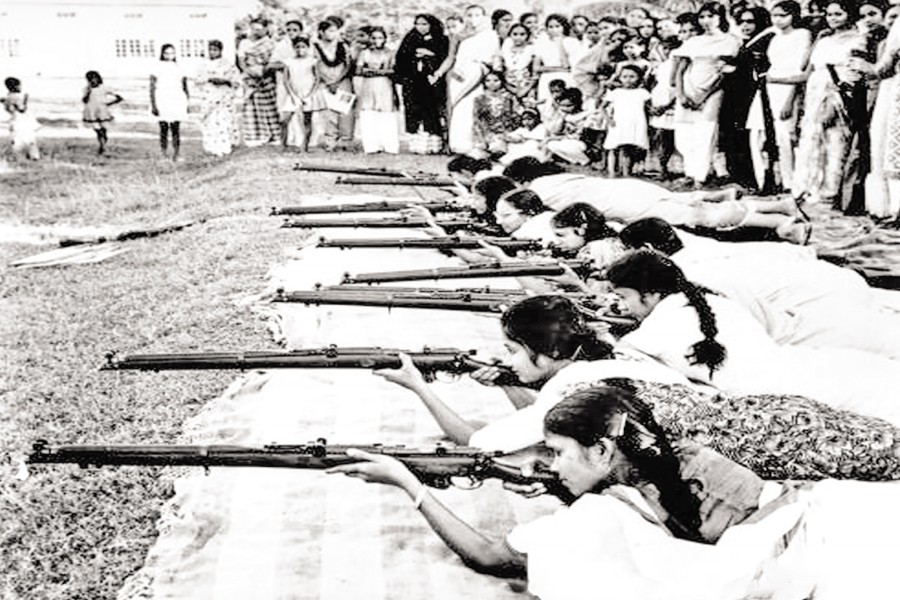
 Bangladeshi Women Freedom Fighters in 1971. — Collected
 Every year on December 16, as the red and green flag rises against the winter sky and the nation celebrates Victory Day, Bangladesh remembers its hard-earned freedom. The day marks triumph after nine months of blood, sacrifice, and resistance. Yet amid parades, songs, and solemn tributes, one chapter of the Liberation War still remains to be fully honoured-the story of its women.
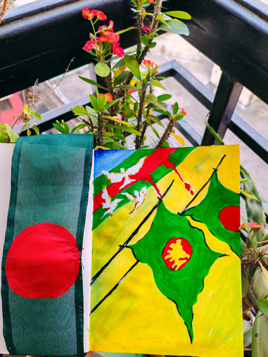
History has long portrayed women as symbols of beauty, gentleness, and patience. Rarely are they imagined as warriors. But in 1971, Bangladeshi women broke every boundary imposed upon them. They were not only witnesses to history; they were its makers.
Women Who Marched Toward Victory
Though most women could not openly be there on the battlefield, their contribution to the Liberation War was vast and fearless. Near Kolkata, the secret Cobra Camp trained nearly 400 women in guerrilla warfare. Women such as Shirin Banu, Farquan Begum, Alamtaj Begum, Karuna Begum, Shobha Rani, and Bithika Biswas prepared themselves to fight for a free Bangladesh. Many of their stories, however, remain buried in silence-even on Victory Day.
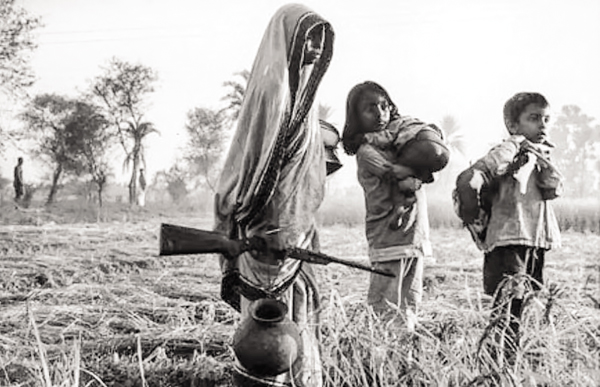
Women's role during the Liberation War of Bangladesh. — Collected
Some women disguised themselves as men to take up arms. Others joined the war in their early teens. Taramon Bibi, only 14 at the time, fought Pakistani forces with unmatched courage and later received the Bir Protik award. Her bravery reflects the fearless spirit that ultimately led Bangladesh to victory.
Voices That Carried the War-and the Dream of Victory
While bullets flew at the front, women sustained the soul of the movement. Shadhin Bangla Betar Kendra, the voice of resistance, was largely powered by women. Apart from songs, inspirational poems recited by women like Rosie strengthened morale and kept the dream of freedom alive.
Winning the World's Conscience
Women also fought beyond borders. They played a crucial role in shaping global opinion against genocide. Bengali women abroad-especially in the United Kingdom-organized protests, raised funds, and submitted memoranda to world leaders, including the British Prime Minister. Their relentless efforts helped ensure that when victory finally came, the world knew the price Bangladesh had paid.
Silent Warriors Behind the Lines
Victory would not have been possible without information, care, and sacrifice. Women acted as couriers, informants, and intelligence gatherers-often risking their lives. Even marginalized women secretly collected information from Razakars and Pakistani soldiers and passed it on to the Mukti Bahini.
Others served in makeshift hospitals, tending to wounded fighters without formal training. Captain Setara Begum, later honoured with Bir Protik, led the Bhishramganj Field Hospital, training women nurses who saved countless lives-quiet victories achieved far from the battlefield.
Across the country, women provided food, shelter, and refuge to freedom fighters. Names like Najia Osman Chowdhury, Laila Samad, Nilufar Ahmed Doli, Rokeya Mahbub, journalist Selina Parvin, and many unnamed women represented the invisible backbone of the war effort.
Ethnic Women and Shared Victory
Ethnic minority women such as Latika N. Marek and Princa Khey risked their lives transporting letters, leaflets, and news between Mukti Bahini camps. Their courage reminds us that Victory Day belongs to all communities who stood for freedom.
The Pain Behind the Victory
Victory came at an unbearable cost. Around 200,000 women were subjected to rape and torture during the war. Their suffering is inseparable from the meaning of Victory Day. Yet remembering women only as victims diminishes their resistance, resilience, and contribution to liberation.
Heroines of Freedom
Among the many women who shaped the road to victory were:
Kakon Bibi - A fearless spy and fighter, honoured with Bir Protik
Sitara Begum - Doctor, army officer, and commanding officer of a Mukti Bahini hospital
Taramon Bibi - A teenage symbol of armed resistance
Geeta Kar - Who joined the Mukti Bahini after her father's killing
Shirin Banu Mitil - Who fought in disguise as a man
Rounak Mohal Dilruba Begum - A trainer who prepared young fighters for battle
Victory Day: Remembering the Whole Truth
On December 16, 1971, Bangladesh emerged victorious-not only through the bravery of men with rifles, but through the courage of women who fought in countless ways as well dignity of so many women. As the nation celebrates Victory Day, it must also reclaim this forgotten history.
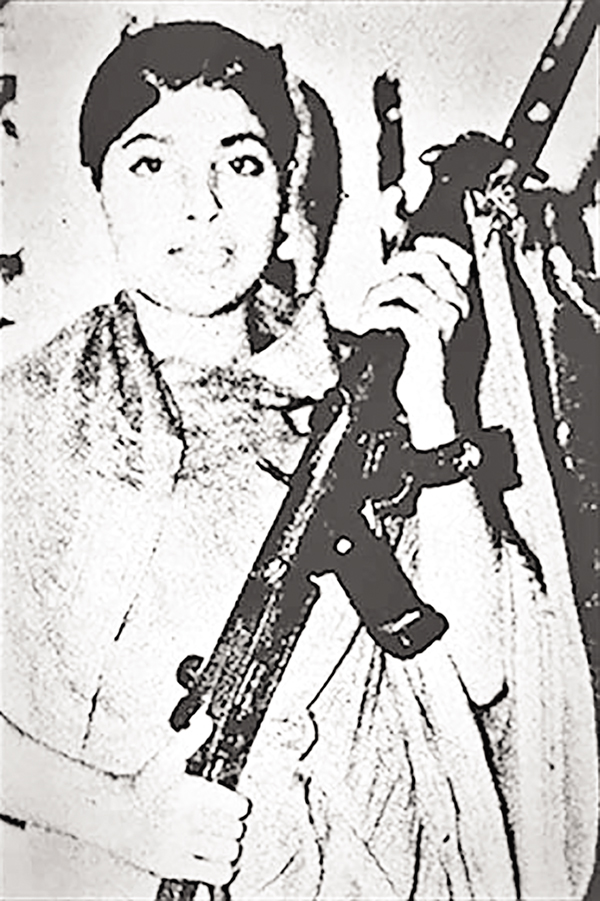
Bir Pratik Taramon Bibi
Women were not only survivors of war; they were fighters, strategists, healers, messengers, and leaders. To honour the true spirit of the Liberation War, history must be rewritten with women at its heart- not as footnotes, but as protagonists of freedom. Honouring their role is not only an act of justice-it is the truest way to celebrate victory.
Dr Marufa Afrin Mohona is Resident Medical Officer at Square Hospitals Ltd.
marufa.mohona251@northsouth.edu
© 2026 - All Rights with The Financial Express

