The plates are empty, and the besmearing has stopped, and the fridge is still filled with the remnants of the qurbani meat. However, for many of the Bangladeshis, the actual price paid after Eid-ul-Azha is body fat, bloating, sluggish digestion, and general heaviness and flatulence, or simply a general lethargy that follows days of ignorance of red meat's nutrition and abundant non-stop consumption.
 But remember, if you're feeling low on your batteries, you're not alone! During and following Eid ul-Azha, it is observed that 250-350g of red meat per person per day for several days collectively is being eaten in almost all the households in this nation, which is almost 3-4 times higher than the recommended level of the recommended allowance per week (200g per person per week) by BNRC (Bangladesh Nutrition Research Centre). Being able to celebrate is an important aspect of our lives - but we evolved to enjoy a brief period of indulgence, rather than prolonged periods of overindulgence over a long period!
The good news? Your tummy is kind of a strong machine, and in just a couple of days, you can flush out all the extra junk that's built up.
Why does your gut feel off after Eid?
Red meat provides good amounts of protein and iron as well as lots of saturated fat and little fibre. High loads over several days can delay gastric emptying, reduce gut bacterial diversity, and lead to low-level inflammation.
Patients often start experiencing bloating, constipation, and acid reflux, and after a few days of eating, they feel full long after eating, says Dr Fatema Rahman, gastroenterologist at Dhaka Medical College Hospital, explaining the reason. "The gut microbiome changes by the full appreciation of bacteria that use protein and fat as a food source, and the beneficial species that feed on fibre decrease for a week after eating lots of meat".
This is not a source of discomfort, but rather an indicator of imbalance in your digestive system.
 The 5-day gut reset
The goal isn't to punish yourself with restrictions, but to gently guide your body back to equilibrium. The trick here is a strategy that will be easy to follow and understand:
Day 1-2: Hydrate and add fibre
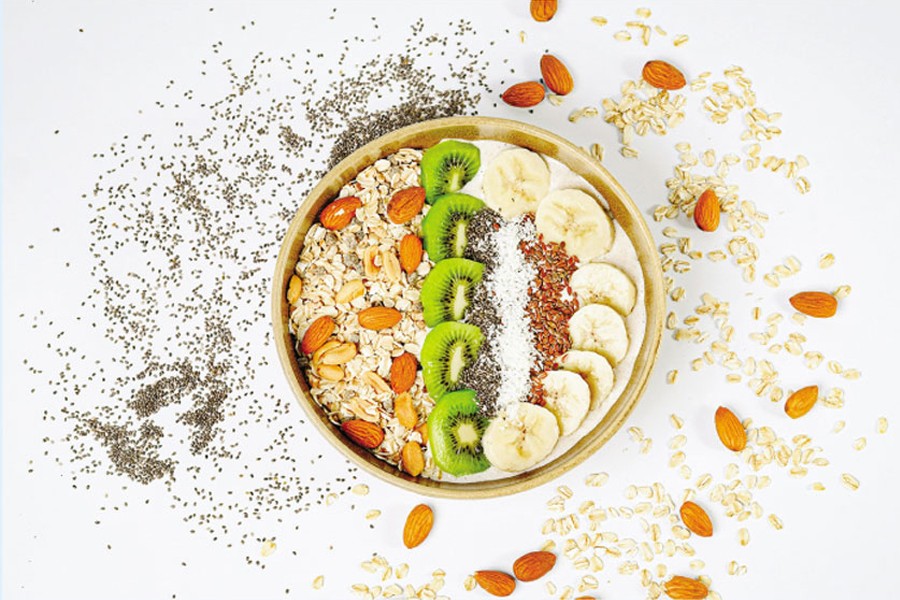
First, drink twice as much water as you normally do, which is at least 2.5-3 litres per day. Include sources of soluble fibre such as oats, bananas, papaya, and cooked spinach. May help eliminate the acids and harden the stools, as these feed good bacteria. A bowl of just straight lentil soup and some additional vegetables will make miracles.
Avoid readily available pickles, including fried pickles, oil-heavy vegetables, or fried foods, as they can exacerbate inflammation.
Day 3-4: Add in probiotics and prebiotics
Always use homemade yoghurt and fermented sauerkraut-style pickled vegetables, such as horilka (fermented rice water). These establish good bacteria.
Eat with yummy prebiotic foods such as garlic, onions, leeks, and bananas - they feed good bacteria!
A study published in the Journal of Nutrition found that those following high-protein diets could experience noticeable improvements in bowel and stool movement within just 5 days after supplementing with fibre and probiotics, which can reduce bloating.
Day 5: 'Light' movement and balanced meals
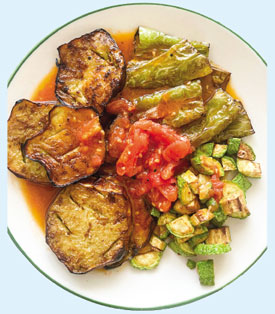
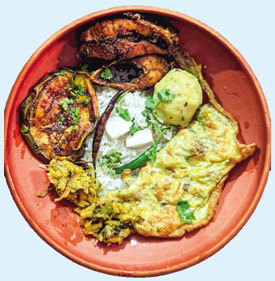
After eating, take a stroll (20-30 minutes) to stimulate digestion. Use fish, chicken, or legumes for your meals instead of more red meat. Serve the vegetables on each plate.
A golden rule applies: stick to the basic guideline, ½ vegetables / ¼ protein / ¼ whole grains, and it'll work out.
 Foods to temporarily scale back
While resetting, take some time to take in:
• Processed meats (sausages, bacon, canned meats)
• Fried restoratives (paratha with heavy oil, biryani repeats)
• Excessive dairy (heavy cream, sweet fondues)
• Alcohol and sugary drinks, which disrupt gut flora
This isn't a matter of elimination, and it's to suppose that the gut is offered a respite from infliction and mend quick.
Adopting an I-Care plan: Listen to your body, not just the calendar
All of a sudden, people feel they have to take drastic action to get back to 'business as usual' right after Eid, but the path to recovery isn't straight! If you don't lose weight by the fifth day, don't worry. Prolonged reset, 2-3 more days.
If symptoms last longer than 7-10 days, particularly if you have severe pain, congealed blood in your stools, or weight loss, see a doctor, says Dr Rahman. He adds, "If your symptoms are persistent, it could indicate something other than a temporary dietary imbalance."
A Cultural Shift: Celebrate without overloading
The traditions of our Eid are very beautiful, but they are still changing. Balanced qurbani meals of one meat portion with generous shares of vegetables, lentils, and salads are becoming more popular and acceptable amongst more families.
Takeaway: Lighter body, lighter mind
It isn't a failure for us to feel heavy after Eid; it's a psychological response to our bodies' adjustment to unusual eating habits. Hydrating, eating the right amount of fibre, and doing gentle exercise can make most people feel much lighter within 3-5 days.
Your gut is your second brain. Taking care of the stomach after feasting doesn't only make it easier to digest; it can put a smile on your face and a spring in your steps!
So this post-Eid, don't just clean the plates. Cleanse your system gently, listen to your body, and remember: the best way to honour the spirit of Eid is to carry its blessings into a healthier, lighter you.
Samiha Mamun is a Graduate student of the Army Institute of Business Administration (Army IBA), affiliated with the Bangladesh University of Professionals in Savar, Dhaka. samihamamunmeem@gmail.com
© 2026 - All Rights with The Financial Express

