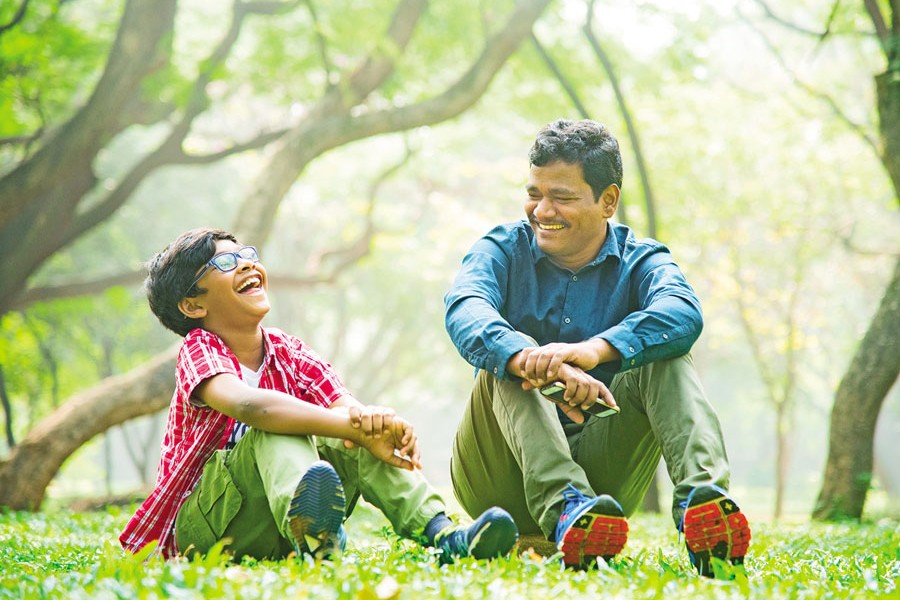
 A joyful moment between a father and his son sitting in a park, sharing laughter.
 The traditional image of a Bangladeshi father is fading. For generations, the father was a silent authority. He was the main provider. He stayed distant from daily childcare. This model is changing fast. Today, a new generation of fathers is stepping up. They want to be active partners in raising their children. They are present. They are emotionally available. This shift marks a significant cultural evolution in our country.
The changing landscape of the family
The structure of the Bangladeshi family is moving toward nuclear units. The joint family system provided a vast safety net. Grandparents and relatives helped raise children. Now, parents often live alone. This change forces fathers to do more. They must take on tasks once seen as 'women's work'.
A 2024 study by Jagannath University titled "Changing urban family relations: A study in the context of technology and globalisation" explores this shift. The authors point out a clear trend in modern families.
The authors stated, "The major factors affecting changes in the family pattern of Bangladesh were the expansion of educational employment opportunities, the introduction of advanced technologies and increased access to development services."
Voices from the workforce
Professional lives reflect these changes too. Fathers in various sectors are rethinking their roles.
Khaled Hasan Abir is a bank official in Dhaka. He grew up with a distant father. He says, "My father was a provider. He worked long hours. We respected him. But we also feared him. I want a different relationship with my children."
Mr Rahim now attends his daughter's school meetings. He helps her with her assignments. He says, "Becoming a father changed me. I see my daughter as an individual. I don't want to pay her tuition fees. I want to be her friend."
Zubayer Ahmed, 24, works in the technology sector. He finds inspiration online. He says, "Social media shows me other fathers. I see them cooking for their kids, reading stories at bedtime. It normalised this for me. I realised that caregiving is not just for mothers."
Sumon Biswas is a journalist. He works very long shifts. Yet, he makes time for his son. He says, "My father worked for the family. He gave us a good life. But I missed him. I do not want my son to say the same thing. I make breakfast for him every morning. It is our special time."
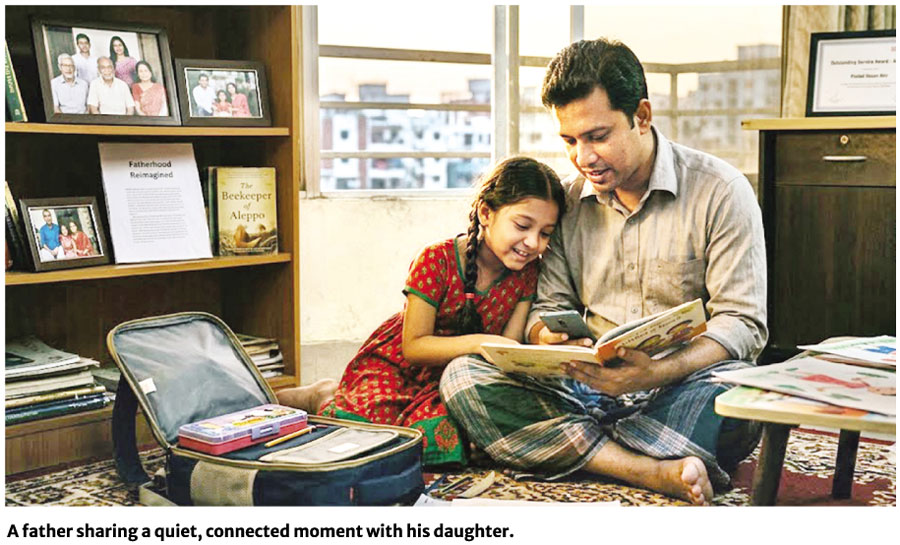
Monju works in the garment sector. He is a busy, tired man who says, "My job is hard. I work ten hours a day. Still, I come home and play with my daughter."
The role of social media
Social media acts as a catalyst for this change. It is a tool for new standards. Fathers see global parenting trends. They share their own moments of care. This display challenges old tropes by removing the stigma around a man doing domestic chores.
Fathers also use online groups. They seek advice on child health. They discuss education. They find support there.
This access allows them to bypass traditional hierarchies. They no longer rely solely on elders' advice. They see others doing the same. Digital platforms are transforming how fathers learn to parent.
A democratic transition
In his 2024 research, "Changing pattern of parenting practices in Bangladesh," Bazlur Rashid wrote about the shift toward democratic participation.
He notes that fathers are now involved in many ways. They are more present in the daily life of their children. "More fathers are taking on caregiving responsibilities traditionally associated with mothers, such as cooking, helping with homework, or attending parent-teacher meetings." This shift towards more egalitarian parenting practices reflects broader changes in gender roles within Bangladeshi society."
Breaking the cycle of the past
Many young fathers learn from the past. They avoid the mistakes their parents made.
Siddique is a university lecturer. His own father was very stern. Siddique says: "My father believed silence was strength. I disagree. I talk to my son every night. We discuss his feelings. We talk about his day. I want him to feel safe with me."
This shift is not just about kindness. It is about emotional intelligence. Fathers now value mental health. They recognise the need for a bond. This is a departure from the older, rigid model. It requires conscious effort. It means unlearning old habits. It means creating new traditions. It is a rewarding process.
Challenges and structural gaps
The change is not easy. It faces many hurdles. Research highlights a gap between desire and reality. A study from 2013 titled "Parental Leave and Fathers' Involvement with Children in Bangladesh" addresses this.
It compared local trends with those in the United States. The authors point out strong family ties. But they also note the lack of support.
The study says, "In Bangladesh, the core of social and family life is determined by strong family ties and symbiotic relationships. Generally, women are not economically solvent, and there are gaps between gender roles in social life." The authors provide a sobering figure. They found that only 14 per cent of fathers knew how to provide interactive care.
This statistic shows a major need.
Society has not fully adapted. Public spaces often lack basic facilities for fathers. Offices rarely offer paternity leave.
These structural barriers make active fatherhood difficult. Many fathers still struggle with the balance. They feel the pressure of the provider role. They also feel the pull of their parental duties. They often feel they have to choose between work and family.
A new definition of strength
The definition of a 'strong man' is changing. Strength no longer means just financial success. It now includes patience, empathy, and the ability to listen.
This transition is happening first in cities, especially among Gen Z fathers. It is strongest among educated groups. But the influence is spreading. The youth are leading the way. They see the benefits of an involved father. They want to be better for their own children.
The shift is deep. It changes how a child grows. It changes how a family functions. It makes the home a space of shared effort. It creates a supportive environment for the child.
The future of fatherhood
The future looks different. We will likely see more policy changes. We may see better paternity leave laws. We will see more workplaces that value family time.
The trend is positive, moving toward equity. It moves toward shared responsibility. Bangladeshi fathers are reclaiming their roles.
They are no longer just providers. They are active, loving, and present members of the family unit. The journey continues. It requires effort. It requires support. But the change is real. The face of fatherhood in Bangladesh has a new, kinder look. It is a welcome evolution for everyone. A future of active, engaged fatherhood is on the rise.
saimathenur2003@gmail.com
© 2026 - All Rights with The Financial Express

