
BoJ chief says lending moves like slapping on ‘new car tyres’
Wednesday, 19 February 2014
TOKYO, Feb 18 (AFP) : The Bank of Japan on Tuesday held off fresh monetary easing measures but said it would tweak a loans scheme to stimulate borrowing.
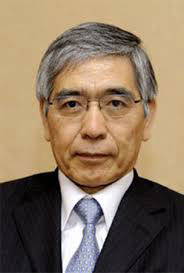
Policymakers kept the existing massive easing programme in place after a two-day meeting, while moving to fire up bank lending to firms and consumers, which BoJ chief Haruhiko Kuroda likened to slapping new tyres on a car.
We have "significantly boosted the capacity of our engine-this is like we put on new tyres to make the most of that engine", he told reporters.
All eyes were on Kuroda's post-meeting comments for signs of future policy moves, after weak Japanese growth data for the final quarter of 2013 worsened fears about the impact of an April sales tax rise.
Expanding the loans schemes was "nothing huge, but it is the first significant change of policy since the bank started on its massive easing cycle last April", said Chris Tedder, research analyst at Forex.com in Sydney.
The yen tumbled after the announcement, pushing the Nikkei stock index 3.13 per cent higher as the greenback fetched 102.55 yen, surging from below the 102-yen level earlier Tuesday.
Analysts widely expect the BoJ to expand its asset-buying plan later this year to counter any slowdown from the tax increase.
That would likely weigh on the yen, a plus for Japanese exporters, as the US Federal Reserve rolls back its own stimulus programme.
The new data showed Japan's economy expanded by 1.6 per cent over last year, but it slowed to 0.3 per cent in the October-December quarter, presenting a major challenge for Prime Minister Shinzo Abe and his bid to reverse almost two decades of deflation.
"These data reinforced investor expectations that the Bank of Japan will need to step up its (easing) programme at some point," National Australia Bank said.
Kuroda unveiled the vast asset-buying scheme-which aims to boost the money supply and, in turn, stoke growth-as part of the broader plan by Abe to reinvigorate the world's third-largest economy and eradicate years of falling prices, which have held back consumer spending and business investment.
Recent data showed consumer prices logged their first annual rise for five years in 2013. But rising prices have largely been driven up by higher fuel bills after the Fukushima atomic crisis, not by surging demand for everyday goods which power the economy as a whole-although there has been an uptick in spending before the tax rise.