
Brazil 2014: Art, food, futebol
Friday, 4 July 2014
These days, Brazil and soccer are practically synonymous. That's because the South American country is hosting the highly anticipated 2014 FIFA World Cup, which kicked off in São Paulo on June 12. But there is more to Brazil than just futebol.
From unparalleled fauna to culinary wiz kids and artists gaining international renown, there are plenty going on outside the stadiums during the month-long tournament, according to The Financialist.
São Paulo is best known as a metropolis of towering skyscrapers and epic traffic jams, São Paulo is gaining a reputation as a world-class center of art.
Rio de Janeiro is the combination of the World Cup and its designation as host city for the 2016 Summer Olympics has helped fuel an art renaissance in Rio de Janeiro. A number of first-rate museums and galleries have opened recently, including the Museu de Arte do Rio. To taste the city's sophisticated palette, one can head out to the restaurant Roberta Sudbrack in the city's chic Zona Sul. Both the house-smoked Okra served with shrimps and dourado fish are standouts.
Salvador , Brazil's third largest city ,is a vibrant metropolis characterised by a rich Afro-Brazilian culture that influences the city's food, music and religion. Visit the MAM, a modern art museum whose collection includes works by prominent 20th century Brazilian artists Tarsila do Amaral and Di Cavalcanti. For accommodations, one can try the Pestana Convento do Carmo hotel, a restored 16th century convent. The hotel's atmospheric Todos os Santos bar is a great place to cool off after touring the cobblestone streets of the exquisite old town.
Brasilia,Brazil's capital, is best known as a modernist outcropping built deep in the country's hinterlands to house the seat of government. While many official buildings are open to visitors, the city's food and drink are the main draw. Beirute, the city's oldest watering hole, is a great place to kick off an evening with an ice-cold beer and Middle Eastern fare. For more of a fine dining experience, one can try Aquavit, where Danish chef-owner Simon Lau Cederholm concocts an eclectic fusion of local and Scandinavian fares, including a palm soup with smoked scallops and a cod salad with melon, parsley, vinaigrette and smoked pepper.
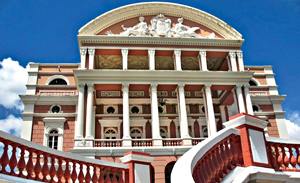
Surrounded by the enormous Amazon and plagued by sticky humidity, Manaus isn't the ideal place to host World Cup matches, although the fact that four games will be played at the brand new Arena da Amazônia stadium. The city boasts a turn-of-the century opera house called Teatro Amazonas, which is so majestic it wouldn't be out of place in Paris or Vienna. Open to the public for visits, the landmark turns on its head any preconceived notion that visitors might have about this isolated Amazonian city.
Belo Horizonte, the capital city of the state Minas Gerais, has turned its 19th century municipal buildings into 11 museums promoting the state's art, history and industry. Dubbed the Circuito Cultural Praça da Liberdade, or The Liberty Square Cultural Circuit, the complex is spread across a leafy garden square in the city center. A museum on the state's mining and metal industries, which are the backbone of the state's economy, is a highlight. And then there's the food, considered by many the best in Brazil. The restaurant Xapuri is a great place to try "mining food" fares such as Bolinho de arroz (rice dumplings) or a Muqueca de Filé Peixe de Rio (fish river stew).
The mayor of the southern city-Curitiba from the 70's to the early 90's instituted a string of innovative social and environmental policies that transformed it into an urban green oasis. Today, residents of Curitiba enjoy an expansive network of public parks as well as a vast public transportation network that has reduced automobile traffic. Cobblestone streets, quaint shops and excellent restaurants make the city's old town a great place to stroll away an afternoon.