
Broadcast policy an effort to control media: Editors
Saturday, 30 August 2014
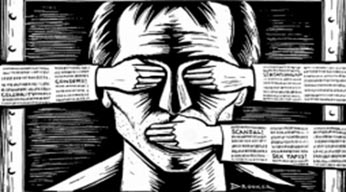
Alleging that formation of the ‘National Broadcast Policy 2014’ is an effort to control the media, editors, journalist leaders and eminent citizens rejected Saturday the policy saying that it will infringe the freedom of speech. “The broadcast policy has already faced widespread criticisms…we reject this policy,” said Editors’ Council president and daily Samakal editor Golam Sarwar while wrapping up a discussion on the policy, titled ‘Challenges before the mass media’, at Cirdap auditorium, according to a news agency. Daily Star editor Mahfuz Anam, also the general secretary of the Editors’ Council, an organisation of the editors of the country’s leading dailies, presented the keynote paper on the much-talked-about issue. The speakers said the formation of the policy was part of an effort to control the media which will ultimately affect the freedom of speech and democracy. They suggested formation of an independent commission on media with a revered person as its head accommodating senior journalists as members who would prepare a fresh media policy, if it is really needed for the media. Dr Serajul Islam Choudhury, former minister and eminent lawyer barrister M Amir-Ul Islam, Dhaka University’s Journalism Department’s teacher Prof Dr Golam Rahman, News Today editor Reazuddin Ahmed, Transparency International, Bangladesh’s executive director Dr Iftekharuzzaman, Bangladesh Federal Union of Journalists’ (BFUJ) president Shawkat Mahmud, president of another faction of BFUJ and Boishakhi TV channel’s CEO Monjurul Ahsan Bulbul , and Association of Television Channel Owners (ATCO) secretary general and Channel –I director Shykh Siraj were, among others, addressed the seminar. In his keynote paper, Mahfuz Anam said free media is one of the important achievements of Bangladesh after the reestablishment of democracy in 1991. This media has been in existence in a free, responsible and competitive healthy environment, he said. He said the broadcast policy will hit the media hard affecting its creativeness and operation while the local private satellite TV channels will lose the competitiveness to foreign ones. Strongly criticising the move to ‘control’ the editorial policy of newspapers, Mazfuz Anam said if the policy comes into effect, there will be no need for an editor of The Daily Star, as only a “clerk will be enough to run it”.