
Diverse storytelling ignites a new era for Bangladeshi cinema
IFTEKHARUL ISLAM | Wednesday, 1 April 2026
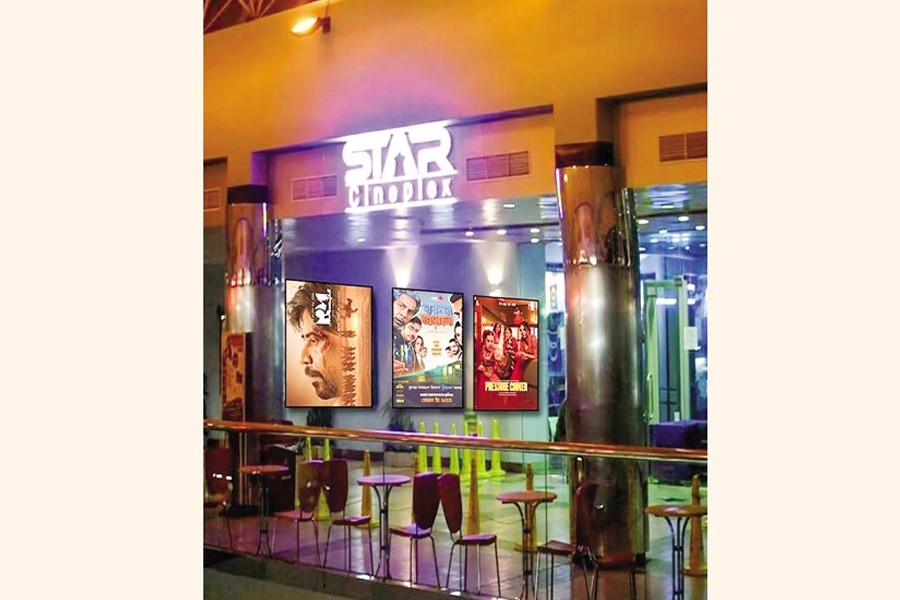
On every Eid al-Fitr in Bangladesh, Dhallywood always offers new movies. For a very long time, the go-to formula was romantic drama that ended in overly used, choreographed fights. The audience gets bored, and movies don’t sell much. But this Eid brought some banger films of diverse genres that cater to every type of movie audience in this country.
Bangladesh Film Certification Board (BFDC) cleared the release of five local films this Eid, ranging from a coming-of-age drama to a masala action film to an iconoclastic-themed film with no heroes. The variety gave this Year’s Eid films their real strength; it let audiences enjoy both feel-good and darker films without losing interest.
Bonolota Express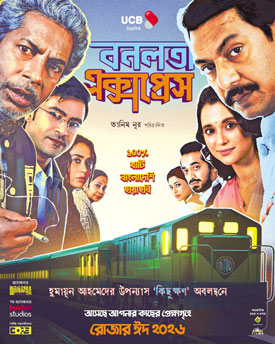 Bonolota Express is this season’s nicest surprise. Mostly set inside a train, this film turned a static space into a dynamic stage for memory, class tension, humour, and human vulnerability. This film is primarily adapted from Humayun Ahmed’s story Kichukkhon, and director Tanim Noor masterfully translated this renowned author’s writing to the silver screen. In this film, the characters are allowed to breathe until the emotional turmoil becomes clear. Sara Fatema, who watched cinema with her friends, said that after a long break they could enjoy a fun and emotionally depth story on screen.
Mosharraf Karim gave one of his career best performances here, balancing wit and sorrow.
Rakkhosh
Rakkhosh is a film of an entirely different trajectory; it embraces darkness, violence, and emotional instability with no hesitation.
In this film, love rots into obsession and revenge, and Siam Ahmed performs well in his first lead role in a masala action movie.
Prince: Once Upon a Time in Dhaka
This film was meant to be a gangster film, set in the criminal underworld of 90s Dhaka with Shakib Khan as the protagonist.
Prince builds a world where loyalty, power, and betrayal are in every step. This film draws heavily on classic Bollywood crime epics while grounding them in a local underworld. The film looks more fascinated with action than depth, yet it passes as a decent Dhallywood crime film.
Domm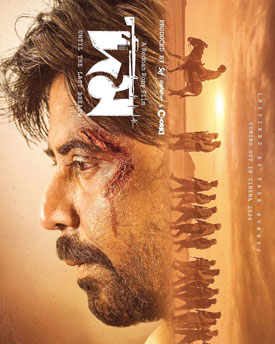 Domm is this Eid’s survival thriller, with Afran Nisho carrying much of the film’s weight. It placed its characters in a brutal situation and pushed them forward with little relief. Afran Nisho’s character relies more on endurance than glamour, and it fits the film.
Pressure Cooker
Pressure Cooker is one of the very few Bangladeshi films without a male hero, with all the lead characters female. This is even more rare in a commercial film, but director Raihan Rafi made it look like a cakewalk.
This film is very different from the rest of Eid films because it treats women’s lives not as decoration but as the main field of conflict.
Pressure Cooker revolves around several women across Dhaka, and the city closes in on them until every ordinary choice feels dangerous. This is not a comforting kind of feminism. It didn’t speak in polished slogans or symbolic gestures. It showed how class shapes survival.
Upper-class women face patriarchy, too, but lower-class women face it with less protection, fewer exits, and far greater risks. For these women, feminism isn’t an abstract concept. It’s a desperate survival tool. Movie lovers accepted the film’s story well. Tanvir Rahat, a university student, said, “The story is relatable to us. Raihan Rafi is known for action films, but this is a good job done.”
The film’s greatest strength is how it turns daily life into a system of pressure. Streets, rooms, men, money, work, and silence all become instruments of control. Raihan Rafi avoided the heroic-rescue arc and let the women face all the adversities themselves. The women didn’t simply struggle against individual men; they struggled against a system that already decided how much suffering they were expected to go through. Through cinematography, Dhaka looked huge, monolithic, and inescapable.
The film is also about fate versus free will, and that tension gave the ending so much meaning. Nazifa Tushi, as Reshma, kept making choices, adjusting, hoping, and fighting for control, yet the world around her kept shrinking her options. 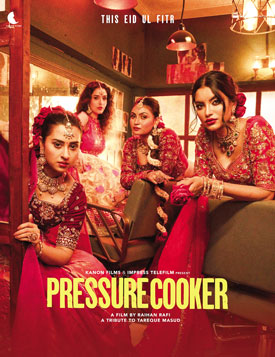 She never seemed to lack agency; more like agency can exist and still fail under social pressure, class violence, and gendered fear. This is why the ending felt so dark; it didn’t feel like a random tragedy. It’s the final destination of what a person wants and what a hostile world allows.
Like Greta Gerwig’s Lady Bird, the women in Pressure Cooker wanted movement, dignity, and Independence beyond the lives handed to them. The dream of escape still existed, but survival came first. This tension made the film feel both intimate and brutal.
The characters in this film have depth that feels overlooked. Chanchal Chowdhury acted in three of the five films this Eid. His character, Aminul, in this film might feel like comic relief and short on runtime, but this cheating husband of Reshma is the ultimate catalyst for her twisted ending.
Fazlur Rahman Babu’s character is quite memorable as the primary antagonist. He isn’t an average corrupt police officer; he resembles Gary Oldman’s Norman Stansfield from León: The Professional. Like Stansfield, he weaponized authority with ease. He stayed calm while others panicked, but the calmness was rather menacing. He understood how power works in a broken system and used that knowledge to confidently dominate weaker people.
This is why Pressure Cooker is the most realistically haunting film of this Eid season. It asks what survival costs for women in a city built on inequality. It asks if courage matters when the system is stronger than desire. It asks whether escape is a dream or merely another form of capital punishment.
In a season of films that offered nostalgia, action, and suspense, this film gave audiences something to ponder upon. Pressure Cooker proved that Eid movies can still entertain while staring into the abyss, and the abyss is hard to forget.
E-mail: contact.iftekhar.tne@gmail.com