
Does the earth have enough to sustain our greed?
Md. Touhidul Alam Khan | Wednesday, 26 November 2025
As we stand at a critical juncture in history, the urgency of addressing climate change has never been more apparent. Scientists around the globe agree that our planet is in peril, grappling with the effects of extreme weather events, rising sea levels, and environmental degradation. These alarming signs are a direct consequence of human activities-particularly the burning of fossil fuels and deforestation-which have released harmful greenhouse gases into the atmosphere. The question before us is not only whether the Earth can sustain humanity's increasing greed but also whether we have the willingness and resolve to change course and safeguard our planet for future generations.
Scientists agree that our planet is in danger because of climate change. We've seen record-breaking heat and crazy weather like super strong hurricanes, really bad droughts, huge floods, and earthquakes. These aren't just random events - they're signs that our Earth is hurting.
The main reason for this is what we humans are doing. Burning things like oil and gas for energy and cutting down forests releases a lot of harmful gases into the air. This has made the Earth warmer, and even a little bit of warming can cause big problems. It's not just a natural change; it's because of our actions, and we need to fix it together.
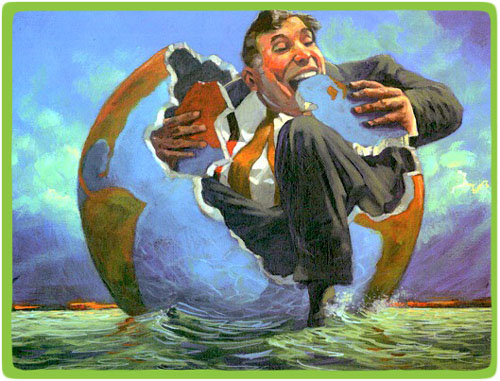
Climate change is causing some scary things. Sea levels are rising, which could force people to leave their homes and make our drinking water salty. Extreme weather is destroying communities and hurting the economy. It's getting harder to find clean water, which makes it tough to grow food. And we're losing plants and animals, which messes up the whole balance of nature.
To stop things from getting even worse, we need to cut down on the harmful gases we release by a lot - at least 45 per cent by 2030. And by 2050, we need to stop adding any extra harmful gases to the air. This isn't just a suggestion; it's something we have to do quickly. We need to switch to cleaner energy and take care of our planet. This is important for everyone, especially those who are already struggling, and for the people who will live on this planet after us.
We know what to do, so the real question is: will we do it? We can use energy from the sun and wind to power our lives. We can drive electric cars instead of gas guzzlers. We can find ways to capture the harmful gases from power plants. We can also plant trees and take care of the land to help soak up some of the extra gases in the air.
Now is the time to work together and take responsibility. Climate change is happening now, and it affects all of us. But it's not too late to do something about it. We have the knowledge, the technology, and the resources to make things better and create a fair and healthy future for everyone.
Ultimately, the future of our planet hinges on the choices we make today. While the challenges posed by climate change are significant, they are not insurmountable. With a commitment to reducing emissions, transitioning to cleaner energy sources, and taking collective responsibility, we can mitigate the damage and foster a sustainable environment. As we reflect on Mahatma Gandhi's insight, we must remember that the Earth has sufficient resources for everyone's needs, but not for everyone's greed. The time has come for global cooperation and action; the clock is ticking, and our window of opportunity is closing rapidly. Let us embrace this moment as a turning point and choose a path that prioritises the health of our planet and the well-being of all its inhabitants.
Like Mahatma Gandhi said, "The Earth has enough for everyone's needs, but not everyone's greed." We need to remember that we're all in this together and that we need to take care of the planet for everyone, not just a few. We're at a turning point. The choices we make today will decide what kind of world we live in tomorrow. Will we choose to protect our planet and help each other, or will we keep going down a dangerous path? It's up to us, and we don't have much time to decide. The clock is ticking.
Dr. Md. Touhidul Alam Khan is Managing Director and CEO of NRBC Bank PLC and first Certified Sustainability Reporting Assurer (CSRA) in Bangladesh. touhid1969@gmail.com