
DSCC launches five-day spl anti-dengue drive today
Survey found that 63 of 75 wards are at risk of Aedes mosquito infestation, with 27 identified as highly vulnerable
FE REPORT | Sunday, 7 June 2026
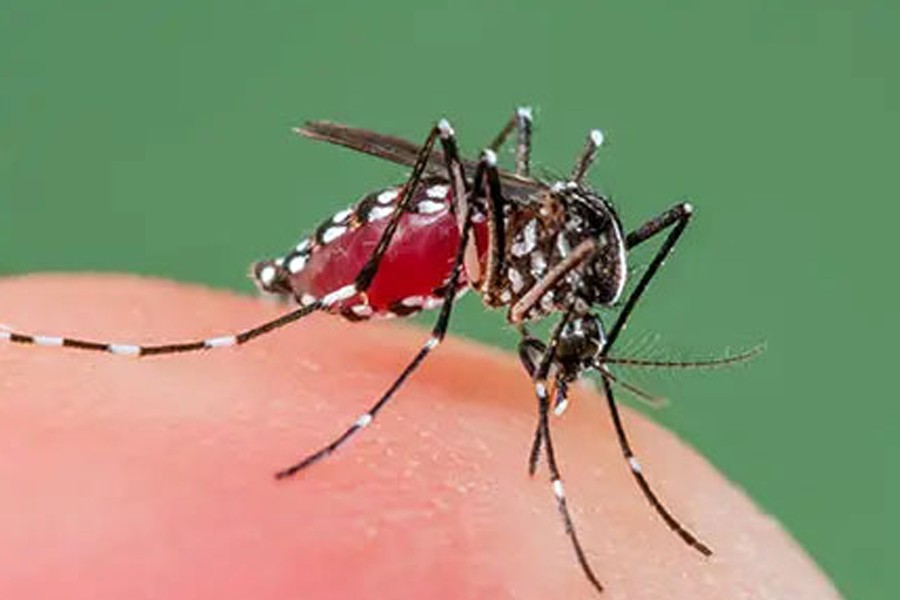
Dhaka South City Corporation (DSCC) will launch a five-day special drive from today (Sunday) in 27 high-risk wards to curb the spread of dengue and chikungunya ahead of the monsoon season.
Earlier, the DSCC has carried out a pre-monsoon survey that identified a large number of high-risk areas in the capital.
As part of the move the DSCC has taken adequate preparations to prevent the spread of dengue and chikungunya ahead of the monsoon season.
A senior DSCC official said a recent survey, jointly conducted by the city corporation and the Communicable Disease Control (CDC) unit of the Directorate General of Health Services (DGHS), found that 63 of DSCC's 75 wards are at risk of Aedes mosquito infestation, with 27 identified as highly vulnerable.
A 12-day Aedes larval survey was carried out from May 12 to May 23.
The survey covered 2,250 households --30 from each ward -- with data collected by 36 trained field workers using the Kobo Toolbox digital platform to ensure accuracy.
The findings were analysed using key entomological indicators, including the Breteau Index (BI), House Index (HI), Container Index (CI) and Pupa Index (PI), providing a scientific assessment of mosquito breeding density and dengue risk across the city.
According to the survey, Aedes mosquito density has reached alarming levels in 63 wards, while 27 wards have been identified as highly vulnerable to dengue outbreaks.
During the survey, DSCC inspectors visited 2,238 households and found Aedes larvae and pupae in 281 of them.
Multi-storey buildings accounted for the highest share of infested premises at 35.23 per cent, followed by standalone houses (27.76 per cent), under-construction buildings (17.44 per cent) and semi-permanent structures (14.59 per cent).
The survey also identified rooftops of high-rise buildings, unused water tanks, air-conditioner trays, flower pots, construction-site basements and other water-accumulating sites as major breeding grounds for Aedes mosquitoes.
The survey suggests that dengue risk is no longer confined to slums or low-income neighbourhoods, but has spread to modern residential buildings as well.
It also identified key mosquito breeding sites, with 12.26 per cent of larvae found in water accumulated on floors, 10.34 per cent in buckets and 8.89 per cent in plastic drums, underscoring that common household containers and stagnant clean water remain major sources of Aedes breeding.
Under the programme, the health and waste management departments of DSCC will jointly carry out larval control operations, destroy mosquito breeding sites, conduct cleanliness drives, remove waste, raise public awareness and intensify monitoring in vulnerable areas.
Similar operations will be carried out in 36 moderately vulnerable wards during the following week.
DSCC is adopting a survey-based, data-driven approach to ensure swift and effective interventions in high-risk areas, aiming to curb the spread of dengue ahead of the monsoon season.
The city corporation has also urged residents to observe a weekly 'Dry Day' by removing stagnant water from homes, rooftops, balconies, construction sites, flower pots, drums, buckets and other potential mosquito breeding sites in and around their premises.
talhabinhabib@yahoo.com