
Electricity tariff hike threatens to squeeze earnings across industries
FE REPORT | Thursday, 4 June 2026
A fresh increase in electricity prices is expected to put significant pressure on major sectors listed on the stock market, raising concerns over corporate profitability, inflation and overall economic growth.
The government on Wednesday raised the weighted average retail electricity tariff by 16.68 per cent to Tk 10.63 per unit, while the wholesale tariff was increased by 19.85 per cent to Tk 8.39 per unit.
The tariff hike comes at a time when many manufacturers have already been grappling with high finance costs, elevated production expenses and weak domestic demand, making it more difficult for companies to absorb the increase in utility costs.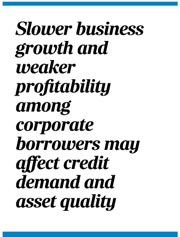 The government said the latest tariff adjustment is part of broader efforts to address mounting financial pressures in the power sector, including rising generation costs and subsidy burdens, while businesses fear that higher energy costs could slow industrial growth and weigh on corporate earnings.
The latest price adjustment is expected to push up production costs across industries, potentially eroding corporate profitability in the upcoming quarters unless companies pass on the increased cost burden to consumers.
Akramul Alam, head of research at Royal Capital, said the electricity price hike is likely to stoke inflationary pressure across the economy, raising input costs and squeezing household purchasing power.
Higher inflation may weaken consumer purchasing power, affecting demand-driven sectors such as consumer goods and retail.
"This could translate into slower earnings growth for many listed firms," said Mr Alam.
In the near term, the stock market may see clear sectoral divergence. Sectors with heavy dependence on electricity - such as textiles, garments, steel, cement and ceramics - are expected to face the biggest impact, while firms with strong operational efficiency, lower energy dependence and greater ability to pass costs on to customers are expected to be more resilient.
"Power-intensive industries are expected to bear the brunt of the hike," said Mr Alam, adding that higher production costs could erode earnings unless firms are able to pass the additional costs on to customers.
Analysts said listed textile and garment companies could face additional challenges in maintaining competitiveness in international markets. Steel, cement and ceramic manufacturers, which are among the largest electricity consumers, may also experience earnings pressure in the coming quarters.
The banking sector could face indirect consequences as well. Slower business growth and weaker profitability among corporate borrowers may affect credit demand and asset quality, although the impact is expected to be less direct than on manufacturing companies.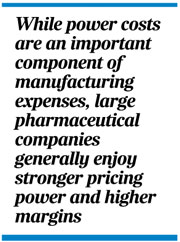 Md Eleash Mridha, managing director of Agricultural Marketing Company (PRAN), said the electricity price hike has a multiplier effect on production costs. The direct impact of the electricity tariff hike alone could increase manufacturing costs by up to 2 per cent.
The additional impact would be felt through higher costs of packaging materials, while dealers would seek discounts for stocking PRAN products.
"Ultimately, the production and distribution costs would increase more than 2 per cent in total, and it will affect the company's bottom line (profit) growth," said Mr Mridha.
Textile and apparel companies, one of the country's largest export-oriented industries, may experience increased production expenses, potentially affecting competitiveness in global markets. Rising utility costs could add pressure to an industry already dealing with higher wages and financing expenses.
Asif Moyeen, managing director of Far East Knitting & Dyeing Industries, said the interim government had reduced the export incentive from 6 per cent to 1 per cent for the RMG sector.
The government also made a 9 per cent annual increment in workers' salaries compulsory, alongside maintaining a provident fund, but buyers have not increased their purchasing prices.
"In such a situation, a fresh hike in electricity prices will affect the company's profitability. The loss of losing companies will increase, while the profit of profitable companies will decline," said Mr Moyeen.
Cement manufacturers may face higher production costs as electricity is a key input in grinding and manufacturing operations. The sector, already grappling with rising raw material and financing costs, could see margins come under further strain.
The engineering sector is also likely to be affected, particularly companies involved in steel re-rolling mills, light engineering and industrial manufacturing, where energy constitutes a substantial portion of operating expenses.
Ceramic manufacturers will face additional cost pressure as well, as the industry relies heavily on both electricity and gas. Any increase in energy costs could significantly raise production expenses and squeeze profit margins.
The pharmaceutical sector may face a comparatively moderate impact. While power costs are an important component of manufacturing expenses, large pharmaceutical companies generally enjoy stronger pricing power and higher margins, allowing them to absorb part of the additional burden.
However, not all sectors are expected to suffer. Some power generation companies could benefit as wholesale electricity tariffs have also been increased, which is likely to improve cost recovery mechanisms and strengthen cash flows across the energy value chain.
babulfexpress@gmail.com
mufazzal.fe@gmail.com