
Festive flavours and balanced plate
Enjoy Eid without weight gain
TUHIN SAIFUL ISLAM | Wednesday, 18 March 2026
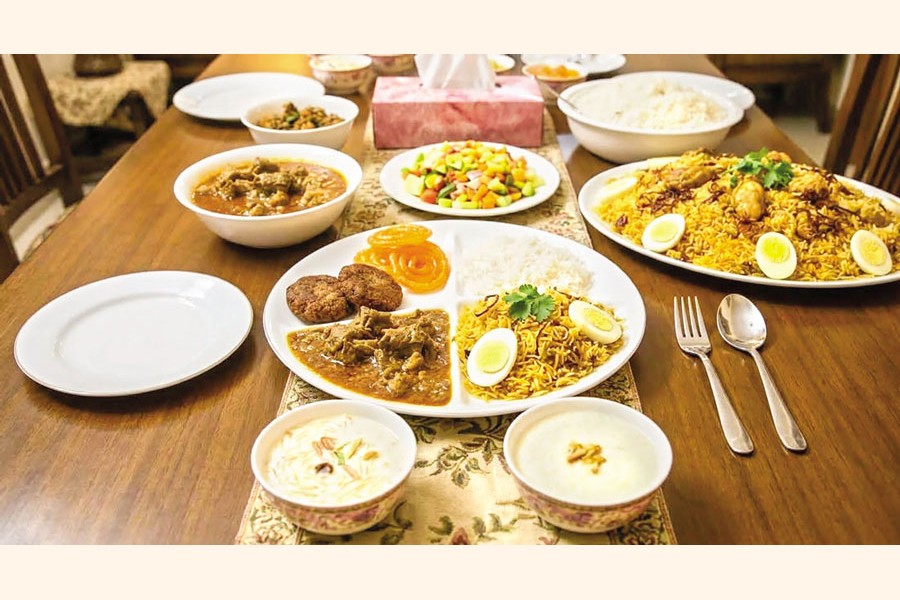
Eid al-Fitr in Bangladesh is a happy burst of tastes, smells, and time-honoured culinary traditions. The end of the fasting period, Ramadan, is followed by tables laden with sweets, rich curries, and festive foods that symbolise celebration and generosity. From early morning visits to relatives' homes to prolonged afternoon meals, food is the focus of social interaction.
However, in recent years, many people have become more health-conscious. Can they have the complete Eid food experience, including sweet desserts, beef and mutton dishes, and other traditional delicacies, without putting on extra weight they do not need? According to nutritionists, the answer is yes. By being conscious and maintaining balanced habits, it is possible to enjoy Eid while preserving one's health.
The heart of Eid-food-culture
Food has an emotional and cultural significance in the celebration of Eid in Bangladesh. Hospitality is an art highly cherished, and guests can hardly leave a house without trying something sweet or savoury.
The most famous meal of the day is Shemai, a sweet vermicelli dessert made using milk, sugar, and nuts. Many families also eat Firni, a creamy rice pudding with cardamom, and syrup-soaked sweets like Gulab Jamun.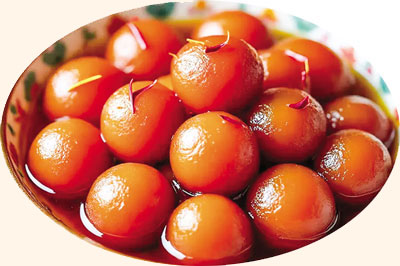 Festive tables on the savoury side are usually accompanied by aromatic biryani, full of spices, beef or mutton curries, and also grilled or roasted meat. These foods are not daily foodstuffs; they are luxuries and feasts following a month of moderation. It would be culturally clumsy and personally disappointing to say no to them.
The difficulty, however, is that such dishes are usually high in calories, sugar, and fat. There is a risk of overeating, as they are eaten several times whenever family members visit.
Reason why people put on during Eid
According to nutritionists, weight gain during Eid is unlikely to occur from a single meal. Instead, it is a product of a series of contributing factors. First, individuals tend to eat many times an hour when they visit relatives and friends. A serving of sweets or fatty food is usually served with every visit.
Second, the meal size during festivals is generally larger than usual. Plates can include large amounts of rice, meat, and desserts. Lastly, there is a tendency to reduce physical activity during the holidays because individuals spend more time on activities, socialising, and resting.
When such things come into play, namely a huge number of calories and fewer activities, excess energy accumulated in the body is stored in the form of fat. Luckily, this result can be avoided with a few basic strategies.
The "balanced plate" strategy
The balanced plate is one of the practical methods that dietitians suggest. People will be able to plan their meals better, instead of piling on big portions of rice and various desserts.
An average Eid dish may consist of equal portions of rice or biryani, a large serving of protein like beef or mutton, and a smaller serving of dessert. Protein helps people feel fuller faster and reduces the likelihood of overeating sugary foods.
In this way, people can experience the full flavours of traditional food without taking in too many calories.
The essence of quality over quantity
The other principle is to focus on quality rather than quantity. Eid tables can serve Shemai, Firni, and Gulab Jamun-type desserts. To be healthier, rather than sampling everything in large portions, it is better to pick one or two favourites and have them in small portions.
This would satisfy the craving for classical flavour without excessive sugar consumption. It is also a way where people enjoy the flavour of each food more.
Slow eating will do the job
At social events, food is usually hurried or interrupted by conversation. Fast food may cause one to eat more food than they require.
Nutritionists encourage one to slow down and mindful eat.
Eating smaller portions, chewing, and spacing between meals will give the brain the time to signal that it is full. It is an easy practice that could save a lot of calories without making individuals feel starved.
Importance of hydration
Hydration is another thing that is not considered part of festive eating. Thirst is often mistaken for hunger, especially after salty or spicy food. The water can be taken regularly throughout the day to help control appetite and avoid unnecessary snacking.
Common beverages served during Eid, such as sweet syrups (sharbat) or soft drinks, are often high in sugar. Substituting some of these drinks with water or unsweetened tea can significantly reduce overall daily calorie intake.
How to stay active during the holidays
Exercising is also an important way to keep weight in check throughout Eid. Though adhering to a workout routine might not be an option on a hectic vacation, just some basic exercises can help compensate for the extra calories.
Even a brief post-meal stroll, such as one, can help improve digestion and control blood sugar. Families in most Bangladeshi neighbourhoods are fond of evening walks or of visiting their close family and friends.
These activities help people interact with others and exercise to some extent.
Even a brief routine, even 20 minutes of bodyweight exercises, has the potential to sustain metabolic normalcy during the festive season in people who exercise regularly.
Healthier version of Eid
With the increasing popularity of health and fitness in Bangladesh, light cooking is also slowly becoming a trend in many families. Other families cut down on sugar in desserts, cut back on oil in curries, or include fresh salads on the Eid table.
Such minor modifications save conventional flavours and meet the current health objectives.
Finally, Eid is not excessive but balanced as well. The virtues exercised during Ramadan are restraint, mindfulness, and gratitude. It is possible to bring the same values to Eid al-Fitr celebrations, and people can enjoy every savoury and sweet bite without worrying about their health.
By practising portion control, making wise choices, staying active, and eating every meal one bite at a time, one can fully enjoy the essence of Bangladeshi Eid cuisine while staying healthy. What comes out of this is a festival that feeds both body and soul.
tuhinsaifuldu@gamil.com