
Managing Measles
Essential lifestyle choices that support the body's recovery
ZAHID HASAN | Wednesday, 1 April 2026

The recent surge of measles cases in Bangladesh has placed a significant strain on the national healthcare system, with the Directorate General of Health Services (DGHS) reporting a sharp increase in infections across several districts. This local crisis serves as a stark reminder that measles remains one of the most highly contagious viral diseases known to humanity and poses a serious public health challenge globally. At the same time, the most effective strategy to address measles is prevention through the safe, inexpensive vaccine, which has averted nearly 59 million deaths between 2000 and 2024, according to the World Health Organisation (WHO).
Standard health organisations currently do not approve any specific antiviral therapy for the treatment of measles. The virus must run its course. For parents, caregivers, and infected adults, 'treatment' does not mean shortening the duration of the illness, but rather prioritising lifestyle choices and supportive home measures that strengthen the body's ability to fight off the virus, alleviate suffering, and prevent lethal complications. The urgency of strong supportive care is rooted in the potentially devastating nature of measles complications, which are responsible for most measles-related deaths.
The WHO emphasises that complications are most prevalent among malnourished children, particularly those lacking sufficient Vitamin A, and people with compromised immune systems.
Potential consequences include permanent blindness, encephalitis, a swelling of the brain that can lead to brain damage or chronic disability, ear infections, and severe respiratory distress, including pneumonia.
The Centres for Disease Control and Prevention estimates that one to three out of every 1,000 children infected with measles will die from these respiratory or neurologic issues. Lifestyle and caregiving choices are not mere additions to recovery; they are the fundamental toolkit for mitigating these dire risks, and one must contact a healthcare professional immediately to manage symptoms, prevent lethal complications, and ensure correct reporting to public health authorities.
The impact of Vitamin A
According to the WHO, measles actively depletes Vitamin A stores, even in well-nourished children, leading to a deficiency. The WHO classified Vitamin A deficiency as a significant public health problem that affects approximately one in three children aged 6 to 59 months globally, with the highest rates found in South-East Asia and sub-Saharan Africa.
A meta-analysis found that combining multiple delivery strategies, including vaccination and Vitamin A supplementation, can reduce measles mortality by 65-77%. In hospitalised children under age 2, another study found that 2 megadoses of Vitamin A significantly reduced measles-related deaths.
This has profound implications for nutritional 'choices' during recovery. Healthcare organisations, including the WHO, UNICEF, and the CDC, universally recommend that all children diagnosed with measles receive two doses of Vitamin A supplements, administered 24 hours apart, under the supervision of a healthcare provider. 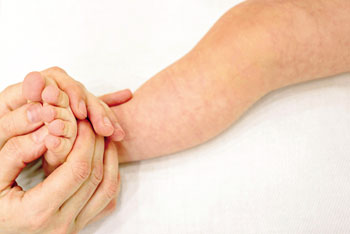 The standard WHO recommendation is a dose of 200,000 International Units (IUs) given twice for all children older than 1 year, with smaller, specific doses for infants. This protocol is vital because it restores the low Vitamin A levels necessary for maintaining the integrity of the epithelial cells, the lining of the eyes, lungs, and gut, which are the very tissues the measles virus attacks.
Even in high-income regions, Vitamin A may be administered as part of supportive care. The choice to seek medical guidance to implement this protocol safely and immediately can be the difference between a mild case and life-altering complications like corneal scarring and blindness.
Fluid restoration and combating dehydration
The measles viral peak is often characterised by very high fevers, sometimes exceeding 105°F, along with symptoms of severe diarrhoea and vomiting.
These conditions collectively lead to a high risk of rapid and dangerous dehydration. While this might seem like basic home care, a structured, intentional lifestyle choice to provide oral rehydration is a primary recommendation from health authorities.
The WHO and other bodies, such as MSF, advise 'Plan A' oral rehydration, to replace the precise mix of water, sugar, and electrolytes lost during illness.
The circulatory and renal systems can begin to fail if dehydration is unmanaged. Caregivers must be educated to recognise the signs of early dehydration, such as increased thirst, a dry mouth, or dark urine.
Nourishment and gut health during viral war
While the body requires energy to mount a metabolic defence, prioritising proper nutrition during measles can be difficult due to mouth sores and a general loss of appetite.
However, the WHO stresses that eating a healthy diet is paramount. Infection compounds existing undernutrition by increasing metabolic demand and simultaneously impairing nutrient absorption through the damaged gut lining.
Lifestyle choices must therefore pivot toward easily digestible, calorie-dense foods that do not require intense chewing. This supportive approach prevents the patient from falling into acute malnutrition during the peak of the infection.
In severe cases, organisations like UNICEF have pioneered the use of nutrient-dense pastes, such as ready-to-use therapeutic food (RUTF). While primarily intended for severe acute malnutrition, its composition of milk, peanuts, oils, and added vitamins reminds us of the type of high-energy support the body requires.
Caregivers focus on frequent, small meals that are soft, bland, and nutrient-rich, such as porridges or blended foods, to ensure that nutritional status does not deteriorate and further weaken the immune system's resolve.
Supportive environment
Beyond nutrition and internal medicine, external lifestyle choices regarding the recovery environment can significantly affect patient comfort. Photophobia, an extreme sensitivity to light, is a common symptom of measles that is often overlooked.
Choosing to keep the patient's room dimly lit or using dark curtains is a simple but vital modification that reduces significant strain on the already compromised eyes and provides tangible relief. This isn't just a matter of comfort; it can prevent further irritation to eyes that are already prone to keratitis.
Simultaneously, the physical 'lifestyle' during a viral peak must be one of intense, prioritised rest. The measles virus attacks the body at a multi-systemic level, leaving it extremely vulnerable and diverting resources from energy expenditure.
High physical activity during the fever and rash phase can unnecessarily stress the heart and lungs, potentially exacerbating the respiratory strain that leads to secondary pneumonia, which, according to some retrospective studies, can occur in as many as 1 in 20 infected children.
A dedicated period of isolated, low-energy rest ensures that the body's full metabolic power can be dedicated solely to viral suppression and tissue repair, directly aiding the body in its difficult journey toward health.
Measles is a severe, high-risk disease. Lifestyle choices do not act as a treatment or cure for diseases like measles; however, they can always serve as a support.
hasan.zahidwalkingtales@gmail.com