
Feared global hunger crisis 'coming to pass' as Mideast war lingers, says UN
Hezbollah ally to withdraw from south Lebanon if Israel pulls back
Saturday, 6 June 2026
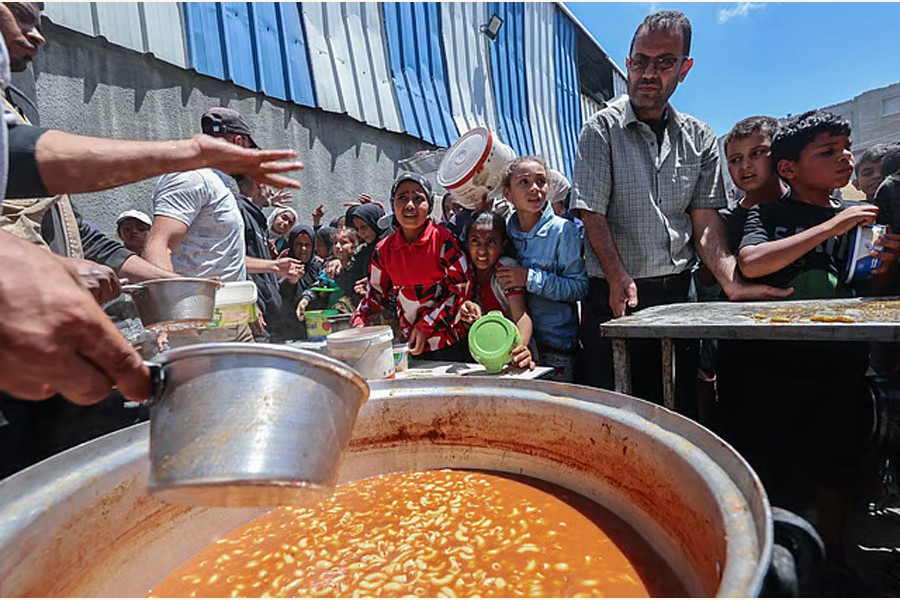
GENEVA, June 5 (AFP): "Pessimistic" predictions that the Middle East war could push tens of millions more people into acute hunger if drawn out are being proven right, the United Nations said Friday.
A few weeks after the US-Israeli strikes against Iran on February 28 sparked the conflict and plunged world energy markets into turmoil, the UN's World Food Programme warned that soaring oil prices were devastating global food security.
If oil prices were to remain around $100 per barrel until the end of June, an estimated 45 million more people worldwide would face acute hunger, the WFP warned in March.
They would come in addition to the nearly 320 million people considered acutely food insecure at the start of the year, it said.
Weeks of complicated talks marked by sharp rhetoric and flare-ups of violence have not managed to reach a deal to end the war and reopen the Strait of Hormuz, which is critical to oil supplies.
And now, nearly three months into the conflict, "the negative scenario is unfortunately materialising", Jean-Martin Bauer, the director of WFP's food and nutrition analysis service said.
"The closure of Hormuz is translating into increased hunger," he said, pointing to soaring costs for staples like rice and wheat.
"Unfortunately, the pessimistic projections that were made earlier this year are coming to pass, and we need to act."
According to the WFP's analysis, "the crisis is generating significant spillovers, particularly through fuel, food price and income shocks and trade disruptions."
"As these factors interact with pre-existing vulnerabilities they quickly translate into visible impacts on food security and livelihoods."
The analysis looked at the situations in several countries with different levels of exposure to the crisis, including Somalia, where it projected that
2.5 million more people would be unable to afford basic foodstuffs by the end of the year.
And nearly 60 percent of households in the unstable Horn of Africa nation would be unable to afford essential needs, up from 47 percent in 2025, the agency said.
"What's shaping up is the return of a global cost of living crisis of the likes that we experienced in 2022," after the start of Russia's full-scale invasion of Ukraine, Bauer warned.
But this time, the humanitarian system that jumped into action back then has been hard-hit by dramatic cuts to global aid funding, especially since US President Donald Trump's return to the White House.
Meanwhile, Lebanese parliament speaker and Hezbollah ally Nabih Berri said Friday that the Iran-backed group would withdraw from the area south of Lebanon's Litani River if Israel pulls out and a comprehensive ceasefire is reached.
"I agree to... Hezbollah's withdrawal from south of the Litani River in parallel with an Israeli withdrawal from the areas it occupies" and "a complete and comprehensive ceasefire without conditions", Berri, who acts as Hezbollah's mediator, said in a statement.