
Festival spending goes increasingly digital
In an interview with the Financial Express (FE), M. Nazeem A. Choudhury, Deputy Managing Director of Prime Bank PLC, explains various aspects of festival spending
Monday, 2 March 2026
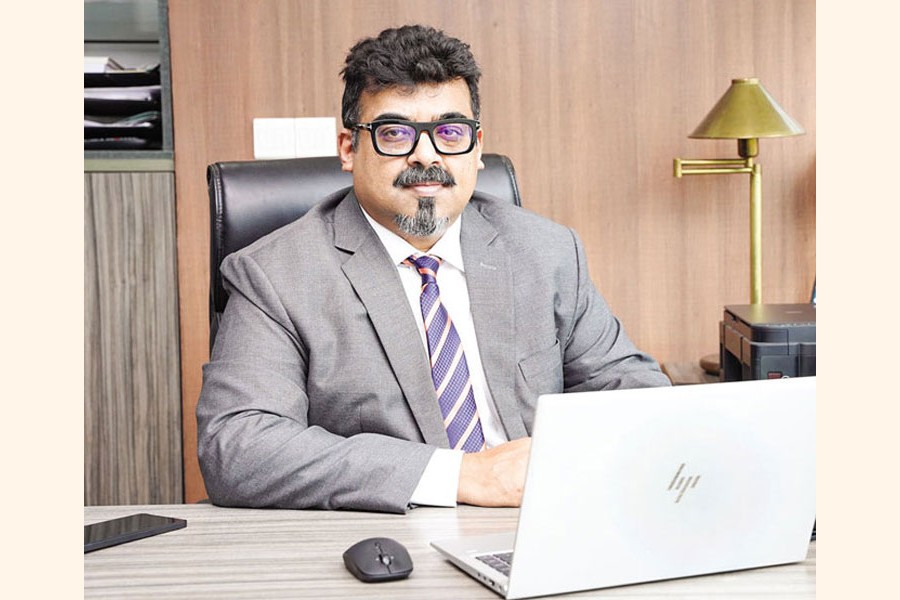
Financial Express (FE): Can you give us a brief overview on how the market of Ramdan-specific/Eid-centric banking products are growing in Bangladesh?
M. Nazeem A. Choudhury (MNAC): Over the past few years, we have observed a significant transformation in consumer spending patterns during Ramadan. Customers are now planning their purchases more strategically, starting their shopping earlier and spreading expenses across the month instead of concentrating them just before Eid. There is also a noticeable rise in category-based spending- particularly in grocery, lifestyle, electronics, and dining. During long Eid holidays, a significant number of customers plan travelling and utilize more on the card. Customers are becoming increasingly value-conscious. They actively look for discounts, cashback offers and flexible payment options to maximize their savings. Convenience, safety, and rewards are now key drivers influencing purchasing decisions during Ramadan and Eid.
FE: What trends are you seeing regarding the transition from cash to digital channels (Cards, Apps, MFS) for Iftar, Sehri, and Eid shopping?
(MNAC): We are witnessing a strong and steady shift toward digital payment channels in recent years. Around 74% of our bank transactions are completed through digital channels. Transaction has increased around 141% through our internet banking app MyPrime. Customers increasingly prefer cards, banking apps, and mobile financial services over cash, especially during peak shopping periods like Iftar, Sehri, and Eid shopping. Digital transactions reduce the risks and inconvenience associated with carrying cash, particularly in crowded marketplaces. In addition, cardholders benefit from exclusive discounts, cashback offers, and installment facilities, which make digital payments more rewarding. As a result, digital channels are no longer just an alternative-they are becoming the preferred mode of payment for festive shopping.
FE: Do you have any Ramadan-specific and Eid-centric banking product? If so, what the product is or products are?
(MNAC): This Ramadan and Eid season, Prime Bank has introduced a comprehensive campaign for our cardholders. We are offering cashback up to BDT 10,000 and discounts up to 35% across multiple categories including electronics, lifestyle, furniture, grocery, ticketing, and leading online platforms. Additionally, dining remains a key highlight of our campaign. Cardholders can enjoy attractive "Buy 1 Get up to 4" buffet offers and "Buy 1 Get 1" platter deals at top restaurants. Through these partnerships, we aim to ensure that our customers experience greater value and convenience throughout the festive season. Besides spend benefits, we are also aware of fees and charge related concern of cardholders. Recently we have launched ZERO by Prime Bank, a Visa Signature Credit Card, where there is no issuing fee, annual fee, MFS wallet transfer fee, over limit fee, transaction alert fee, EMI processing fee.
FE: How do these initiatives promote "smart spending"?
(MNAC): Our initiatives are designed to encourage smart and informed financial behavior. By using digital payment channels, customers can easily track their expenses while enjoying tangible financial benefits such as discounts and cashback. These offers help customers maximize cost efficiency-allowing them to access premium products and services at reduced prices. Over time, such value-driven incentives promote a habit of digital transactions and thoughtful spending, ensuring customers receive the highest possible benefit for their expenditure in a more secured manner than cash.
FE: Looking ahead, how do you envision the future of festive spending?
(MNAC): We believe the festive spending is going to be increasingly digital, data-driven, and personalised. With advancements in digital banking infrastructure and AI based analytics, banks will be able to offer more tailored campaigns based on customer preferences and spending behaviour. Contactless payments, e-commerce growth, and instalment-based purchasing will further shape the festive shopping landscape. At Prime Bank, we remain committed to driving innovation in the cards business and delivering seamless, secure, and rewarding payment experiences for our customers during Ramadan, Eid, and beyond.
FE: How is your bank leveraging its partnership with MFS providers to ensure seamless fund flows during the high-traffic Eid rush?
(MNAC): Prime Bank, through its digital platform MyPrime, has established deep integrations with leading MFS providers to ensure smooth and uninterrupted fund flows during peak transaction periods such as Eid. MyPrime customers can seamlessly transfer funds from their Prime Bank accounts to MFS wallets for various payments and personal needs. In addition, customers can pull money from their Prime Bank accounts into MFS platforms, ensuring faster and secure access to funds. We have also integrated into Bangladesh Bank's NPSB channel to enable Bangla QR-based merchant payments, allowing MyPrime users to scan and pay MFS merchants directly. These interoperable fund transfer and QR-based payment capabilities significantly reduce friction during high-traffic periods and ensure a reliable digital payment experience for customers.
FE: Are there specific features bridging your Core Banking Solution (CBS) and wallets to facilitate effortless Zakat payments or Eidi transfers?
(MNAC): Yes, MyPrime is integrated with Prime Bank's Core Banking Solution (CBS) and multiple external payment channels to facilitate effortless Zakat and Eidi transfers. Customers can easily donate Zakat to a wide range of verified Zakat funds directly from the app. For Eidi transfers, MyPrime offers convenient P2P fund transfers within Prime Bank (intra-bank), real-time interbank transfers through NPSB to any bank account, and seamless transfers to MFS wallets. This multi-channel connectivity between CBS, NPSB, and MFS platforms ensures that customers can send Eidi to family, friends, or beneficiaries instantly - regardless of whether they use bank accounts or Mobile Wallets.
FE: As transaction volumes jump during the festival, fraud attempts often rise. What specific technological advancements or security protocols has your bank implemented to safeguard customer data and API integrations during this busy period?
(MNAC): Prime Bank prioritises robust security and resilience, especially during high-traffic periods like Eid. Every fund movement on MyPrime is protected through multi-layered security controls, including secure login credentials, device binding, and two-factor authentication (2FA) with OTP. On the backend, we follow industry's best practices for API security, data encryption, secure tokenization, and controlled access management to safeguard integrations with CBS, MFS partners, and payment networks. Continuous monitoring, anomaly detection, and proactive fraud risk management mechanisms are in place to identify suspicious activities in real time. These combined technological and operational safeguards ensure customer data integrity, secure API interactions and a safe digital banking experience even during peak transaction loads.