
For Russia’s economy, the worst is yet to come
Monday, 22 December 2014
MOSCOW, Dec 21 (AFP) : For most Russians, the week ended with relief: after trading at unbelievable levels of 80 to the dollar and 100 to the euro, the ruble appears to have stabilised at around 60 and 73, respectively.
A double whammy of Western sanctions over Ukraine and plunging oil prices finally caught up with the country that depends on energy exports for half of government revenue, and the authorities came out of their apparent stupor only as the ruble's plunge in value had already gained momentum.
After the ruble fell by nearly 10 per cent on Monday, the central bank moved beyond its limited currency market interventions and in the middle of the night hiked the key interest rate by a tremendous 6.5 per centage points to 17 per cent.
But that failed to stop the panic, with the ruble dropping by 20 per cent on Tuesday-bank websites crashed as too many users tried to connect, and crowds packed Ikea until 2 am to get a hold of goods before announced price increases took effect.
President Vladimir Putin tried to put a brave face on the crisis at his annual year-end press conference, saying that recovery is "inevitable", although he acknowledged it could take up to two years to materialise.
He did not announce any economic reforms or specific solutions to the crisis.
"The trend of the economy in the next six months is certainly going to be much worse" after this past week, said Chris Weafer, an analyst with Macro Advisory consultancy.
"Confidence is shaken-in the central bank, in the currency, in the direction of the economy," he told AFP.
"Consumption and investment are going to take a hit because of higher (interest) rates, inflation will be higher because of the weaker currency... the banks are going to turn to the government and shelves will be empty after the New Year."
In a sign of the challenges ahead, several suppliers have halted deliveries in a bid to raise prices.
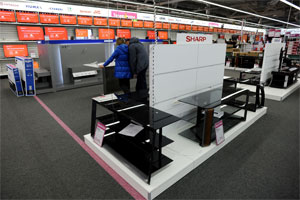
Some stores decided to close their shutters-Apple stopped sales via its Russian online store, while Ikea suspended sales of kitchens and home appliances and warned that prices on the website "may differ from prices in stores".
Opel and Chevrolet are no longer delivering to dealerships.