
Germany to build hydrogen network
KfW to provide $25 billion loan
Monday, 2 December 2024
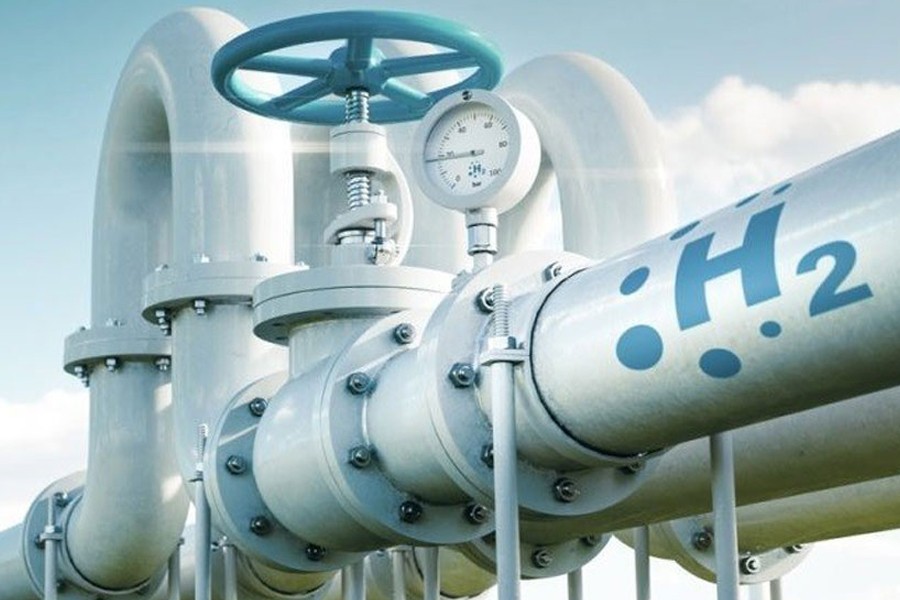
LONDON, Dec 01 (Reuters): KfW will provide a 24 billion euro ($25 billion) loan to help develop a future hydrogen network in Germany, the state lender told Reuters, at a time when companies have warned that the technology will take longer than expected to take off.
Germany is betting on hydrogen, which can be used in part to replace natural gas, as it seeks to decarbonise the economy and find ways to absorb intermittent renewable supplies into the power grid. A core 9,040-kilometer network for hydrogen, to be built by 2032, is an essential part of the planned shift to the fuel.
While existing natural gas pipelines will make up 60 per cent of the network -- connecting ports, industry, storage facilities and power plants -- their operators and owners will still have to shoulder billions of euros in investments to either retrofit lines for hydrogen or build new ones.
In order to keep user fees for the network at an acceptable level, KfW will compensate operators via a so-called amortisation account, with plans to have the costs paid back by 2055, KfW said.
As revenue from network fees increase in the future, surplus income will be redirected to the amortization account, facilitating gradual repayment of the loan, KfW added.
If the amortization account is not balanced by the planned end of the hydrogen ramp-up in 2055, the federal government will assume 76 per cent of the risk with the remaining 24 per cent to be borne by the core network operators.
KfW's announcement comes amid growing scepticism among German companies about whether Berlin's plans to rely more heavily on hydrogen to cut emissions are realistic and affordable.
In September, Norway's Equinor scrapped plans to export hydrogen to Germany, citing high costs and insufficient demand.