
Govt renews call for GSP revival
Wednesday, 29 July 2015
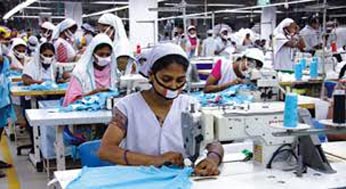
The government has reiterated its call for restoring Generalised System of Preferences (GSP) for Bangladeshi clothing and some other products on US market, saying that the country already made significant progress to improve factory safety and labour rights, especially in the apparel sector.
During a meeting with US Senator Christopher S. Murphy at the Capitol Hill on Tuesday, Bangladesh ambassador to the United States Mohammad Ziauddin raised the GSP issue. Some other bilateral issues including Trade and Investment Cooperation Forum Agreement (Ticfa), promotion of human rights, drive against terrorism and corruption and ensuring transparency were also discussed at the meeting.
The US revoked the GSP on some Bangladesh products in June 2013 after the Rana Plaza collapse. Later it announced a "Bangladesh Action Plan 2013" as a precondition for restoration of GSP facilities.
The ambassador urged Murphy, who is also a member of the Senate Committee on Foreign Relations, to help restore GSP facilities for Bangladesh and allow it duty and free quota free access to the American market, considering the massive progress being made ensuring workers' rights and safety.
At the 45-minute meeting, the ambassador conveyed to the US Senator that Bangladesh has been steadily implementing its commitments and suggestions by the USA, EU and other development partners to improve workers rights and workplace safety, according to an official statement, made available here on Wednesday.
"The present government had done enormous reforms in the EPZs including the registration of Workers Welfare Association (WWA) and access to the labour courts and appellate tribunals", he said.
Ziauddin said it is now widely being acknowledged that a significant progress has already been made in worker's rights and safety, and the government is committed to making readymade garment (RMG) sector a clean, dignified and productive sector.
The ambassador noted that Bangladesh does not enjoy any "special or deferential" treatment from the US in terms of trade like the preferential treatments being enjoyed by the trans-pacific partners.
Instead, Bangladesh apparels are subject to high tariff in the USA as opposed to zero tariff to almost all other developed countries in the world. "This might chip away the competitive edge of the country like Bangladesh in the US market", he observed.
However, he said, "Bangladesh likes to face the challenges in the RMG and other areas through a sustained and deepen partnership with the United States".
Senator Murphy who previously served in the House of Representatives from 2007 to 2013, assured that he would definitely look into Bangladesh's concern by examining the country's labour situation for restoration of the GSP.
-SS