
Greece: Selling off the silver
Tuesday, 14 July 2015
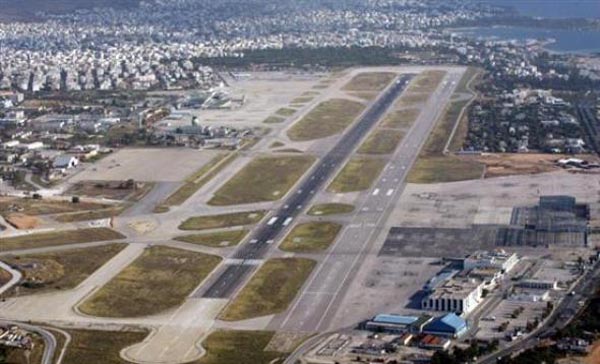
Greece has agreed to the creation of a new independent fund that will manage assets to privatise. The target is to generate a total of €50bn (£35.5bn, $55bn). But the cash won't come quickly. It is likely to be several decades. The final payment under the second bailout is due in 2054. Bailout number three, if it does happen, is also likely to have a long repayment period. Greece does have things it can sell. There are businesses. Plans to sell airports in the islands and the Port of Piraeus are already well advanced and there are other infrastructure operations that could be sold. Eventually, there could be an opportunity to sell public stakes in the banks. But they are likely to receive further injections of capital as part of the next bailout, so the short term prospect is for increased public ownership. There is also a large portfolio of properties - 70,000 according to the IMF. But information about them is out of date, and many have contested ownership or illegally occupants. A great deal of preparatory work is needed to make them ready for sale, but they could in theory yield significant amounts of money. They include sites that have strong potential for tourist development. So, let's suppose the money does eventually come into this new fund. It will be used to repay the eurozone money used to prop up the banks. Some will go towards reducing the government's debt burden and some will, according to the eurozone summit statement, be used for (unspecified) investment, according to BBC.