
Greetings from the Ambassador
Saturday, 17 May 2014
When Norway celebrates its National Day on 17 May, we pay tribute to our Constitution, which was signed on that very day in 1814.
200 years ago, the construction of our modern, democratic society started with the adoption of the 1814 Constitution.The 400-year long union with Denmark ended, and Norway entered into a union with Sweden - but not before receiving from Denmark the most handsome divorce gift in history. At the time of changing union partners, there were many questions and views about Norway's future status. Those in favour of self-determination and people's sovereignty prevailed. Norway was given a unique opportunity to write its own Constitution and to take the first steps towards independence.
The Norwegian Constitution is the oldest in Europe and the second oldest in the world, that is still in use. It was a radical constitution in its day, inspired as it was by new political and social currents in Europe and America. Key principles include the sovereignty of people; division of powers; and citizen's rights that are inalienable and innate. These basic ideas were new and controversial: freedom and equality for all were far from household values in early 19th century Europe.
The Constitution proved to be a true game changer for Norway. It established rule of law, freedom of speech, and free enterprise and the first Parliament convened shortly after its adoption. The Constitution contained modern ideas and secured the rights and freedoms that inspired the process towards national independence, which followed a small century later in 1905.
People realized that the Constitution was their best vehicle to achieve independence and democracy. It thus had to stay modern, and reflect its time and the current reality. Ideas about equality and freedom led to changes that were necessary for constructing a modern society. Over time, restrictions on freedom of religion were abolished; and voting rights were extended to all men, regardless of their position in society, and finally in 1913 to all women.
This brief look at history will explain why we point at our Constitution as the source of freedom, independence, and a modern society. It guided Norway's democratic development, from absolute to constitutional monarchy, and to parliamentarism. The Constitution is a unifying symbol and it is part of what defines our nation and our culture.
This year, as we celebrate the Constitution's bicentenary, it is timely to reflect on what its relevance is today - what the principles and values described so long ago mean to us in our time.
The basic ideas contained in the Constitution are as important to promote today as 200 years ago, in our own society and in our international relations.We consider people's true sovereignty; real division of power; and consistent respect for human rights keys to safeguarding justice, development and prosperity. In practical terms, our traditional emphasis on rights leads Norway both to take clear policy positions and initiatives that will strengthen human rights and fight discrimination and injustice. One example is Norway's efforts over decades, both in the multilateral context and within bilateral cooperation, to protect those who speak up for and promote human rights, often at their own peril.
"No one shall be judged but by law, nor be punished but by sentence". One phrase from the Constitution neatly encapsulates the rule of law.This also rings true for international relations. We believe in rule of international law, to ensure justice, predictability and peaceful solutions in all relations between states.
Today, equality and non-discrimination are fundamental principles for Norwegian society, and permeates our international cooperation. Human rights are at the centre of the partnership between Bangladesh and Norway. Over four decades, we have assisted Bangladesh in its efforts to strengthen governance, combat corruption and improve the rights of women.
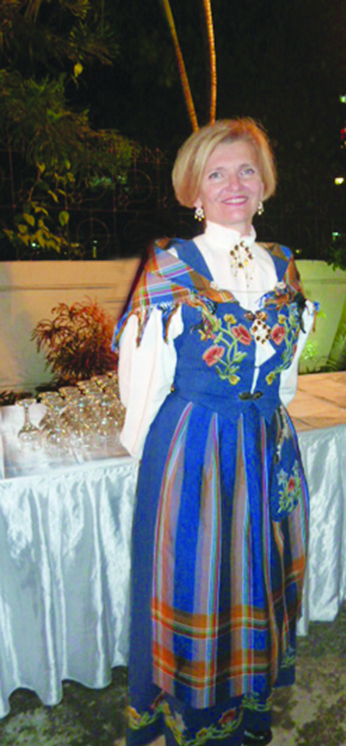
On 17 May our open and inclusive, multicultural society celebrates its origin, and confirms again that we stand by the universal values, and believe in freedom, equality and rights for everybody. We also enjoy our traditions, and will be donning national costumes and listen to traditional music as the bicentenary is celebrated in Norway and many other countries. Also in Bangladesh. The small Norwegian community will again this year enjoy the renowned Bangladeshi hospitality and parade the streets of Dhaka, in recognition of the universal and timeless values that we share with our Bangladeshi hosts.
My best greetings to all friends of Norway in Bangladesh.
Merete Lundemo