
Habits youths can develop for better mental health
Noshin Nawar | Thursday, 27 April 2023
Mental health is a crucial facet of a person's well-being, yet it is often disregarded in daily life. External factors such as adverse circumstances, trauma, and resource constraint can undoubtedly impact a person's mental health negatively. Alongside such external factors, the internal habits and practices people adhere to on a daily basis have serious ramifications on their mental health. This article delves into how individual habits and practices can influence mental health and how anyone, especially the youth, can develop habits that improve our mental well-being.
The three core habits: Diet, exercise, and sleep are three interconnected components that define a person's physical and mental health. Among these three, diet plays a crucial role in influencing the cognitive processes, executive functioning, and temperament of a person. In fact, mental health and diet share a complex relationship -- consuming a balanced diet is key to maintaining good mental health. According to studies, the nutrients in the food people consume can directly impact their brain functioning as well as neurotransmitter production. For instance, vitamins, B12 in particular, can aid in the treatment of depression and essential fatty acids can improve overall mental well-being. Again, the consumption of ultra-processed food and the deterioration of mental health are closely associated. These are a few reasons why physicians, psychologists, and experts in related fields recommend a balanced diet. Ensuring a balanced diet can boost energy levels, promote healthy sleep, and reduce stress, all of which can have a positive impact on mental well-being.
Exercise is another necessary component of a healthy lifestyle positively associated with improved mental health. Regular physical activity releases endorphins, the body's natural "feel good" chemicals. These endorphins help minimise symptoms of depression, stress, and anxiety. It provides a distraction from daily woes. Practising good exercise habits, such as working out regularly, engaging in a variety of physical activities, and avoiding overexertion can contribute significantly to improved cognitive functioning.
Another means of attaining physical and mental recuperation crucial to maintaining good mental health is sleep. Insufficient sleep for an extended time can alter a person's circadian rhythm and make them lack focus, which if continued for long stretches of time, can wreak havoc on one's mental health. "According to Sleep Health Foundation reports that 60 to 90 per cent of patients with depression also have insomnia. More than half of all insomnia cases are associated with depression, anxiety, or psychological distress," says Shahana Parveen, assistant professor at the Department of Psychiatry, National Institute of Mental Health. Several studies conclude that if one is sleep deprived, one is more likely to struggle with depression and anxiety, which can cause more sleep deprivation. "An altered circadian rhythm may limit one's ability to perform their regular duties and result in failure to fulfil obligations, thus further increasing the risk of stress and anxiety stemming from dissatisfaction about self," she adds.
On a related note, high caffeine intake can cause physical symptoms such as rapid heartbeat and increased blood pressure, as well as mental symptoms including anxiety, agitation, and restlessness - albeit a temporary boost in energy. Caffeine can interfere with sleep and disrupt the body's natural circadian rhythm which can cause long-run consequences.
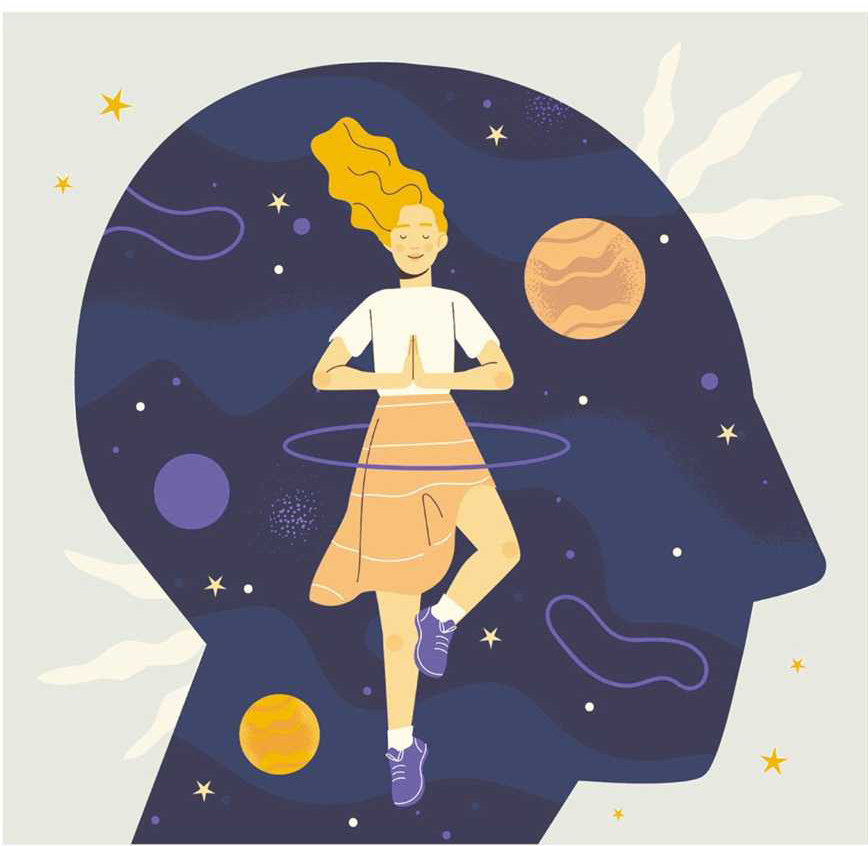
Improving mental health through beneficial activities: Mindful practices such as meditation and yoga cast a positive impact on mental health. "By cultivating a sense of calmness along with focusing on the moment, these practices can help reduce symptoms of anxiety and depression," states Shahana Parveen. It improves mood and increases resilience while equipping individuals with the capacity to manage their thoughts and emotions healthily.
Developing and preserving social connections is a crucial factor in maintaining good mental health since isolation can lead to feelings of loneliness, depression, and anxiety as evidenced during the Covid pandemic. Meaningful interaction with supportive people can help one feel connected, understood, and valued -- all of which are essential for good mental health.
Most people develop their sense of self from a diverse array of sources and want to engage in activities that give them a platform for self-expression, sense of purpose, and fulfilment. Creative pursuitssuch as painting, dancing, or other activities valued by individuals not only provide a healthy outlet for emotions but also effectively reduce negative feelings.
In today's fast-paced world, youths are constantly bombarded with notifications, alerts, and information from our devices. This constant exposure can lead to feelings of anxiety and overwhelm. By unplugging technology, youths can give themselves the opportunity and headspace to focus on other activities, such as engaging in creative pursuits. By making a conscious effort to unplug technology at regular intervals, individuals can prioritise real-life events and take ownership. This can also help them focus on self-care, engage in hobbies, and spend time in nature -- all of which are known to have a positive impact on mental health. Exposure to nature can help increase feelings of well-being, reduce stress, and improve mood. Spending time in nature can help individuals feel more grounded and connected to their surroundings, promoting a sense of peace and repose.
Customised approaches and priorities: There is no specific roadmap for achieving or retaining improved mental health and it varies from person to person as per their insights, values, life stage, and priorities. For instance, it may be more practical to resort to spending more time in nature for some while others may choose to engage in creative pursuits or self-care. To enhance one's mental well-being, it is important to pick from an assortment of habits and inculcate them in everyday life, which would cause a spillover effect of positivity in general life. While doing so, taking a trial-and-error approach to determine whether adopting certain habits is yielding the intended results enables one to refocus, customise their goals, and walk the path towards enhanced well-being.
On another note, assessing a person's own variables and lifestyle factors objectively before crafting ways to reach mental health goals is rather complex. Seeking expert guidance is, therefore, a valuable step toward designing an attainable and actionable roadmap for securing optimal mental health.
The writer has completed BBA from IBA, University of Dhaka.
noshin185@gmail.com