
Housing sector: Problems, prospects
Thursday, 11 September 2025
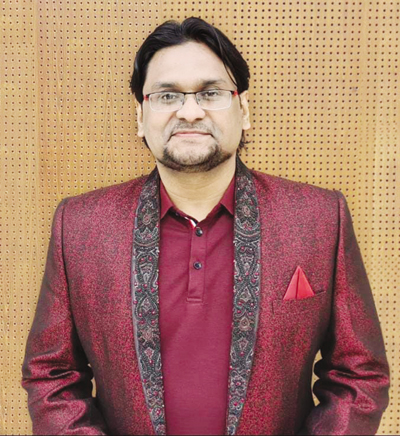
Md Shadi-Uz-Zaman
Managing Director, Notundhora Assets Ltd., Notundhora Real Estate Ltd. and Notundhora Group, Founder of Country's First Professional Real Estate Training Institute, who achieved the country's first "Professional Doctoral Certificate in Real Estate Management," and under whose capable supervision the fully eco-friendly, well-planned housing project "Notundhora" is being developed.
The housing or real estate sector is one of the main driving forces of Bangladesh's economy. It is not just about building urban settlements-this sector contributes nearly 15% to the country's GDP, both directly and indirectly. At the same time, about 4 million people are engaged with this sector in direct and indirect employment. Therefore, any instability in this sector means a general stagnation of the economy.
Unfortunately, the housing sector is currently going through a severe recession. The unchecked rise in construction material prices-particularly rods and cement, which have gone up by 20-25%-has increased project costs by almost 30%. Buyers' purchasing power has declined, and new investments in the market are slowing down.
On top of this comes RAJUK's new Detailed Area Plan (DAP). With the reduction of Floor Area Ratio (FAR), where previously 8-9-story buildings could be constructed, it is now restricted to 5-6 stories. As a result, landowners are losing interest in handing over their land, and developers are stepping back from new projects, deeming them unprofitable. Naturally, many companies are being forced to cut costs-layoffs, salary reductions, expense tightening-all combining to turn this sector into a fight for survival.
In such a situation, urgent coordination between the government and housing entrepreneurs is necessary. Although RAJUK has approved about 40 housing projects, the National Housing Authority has not approved a single private project yet. To remove this bureaucratic complexity, it is essential to establish a "Housing Project Approval Building," where all procedures can be completed under one roof. At the same time, introducing a grading system for developers (A, B, C categories) could boost both transparency and confidence in the market.
On the other hand, the discontinuation of opportunities to legalize undisclosed money may further reduce investment flow. This might increase the risk of capital flight abroad while also depriving the domestic market of potential investment. If this money could have been invested in the housing sector, both employment generation and economic growth would have been accelerated.
The housing sector is directly connected to more than 400 sub-sectors-cement, rods, tiles, sanitary ware, plastic, electrical equipment, furniture, and so on. When this sector slows down, its shockwaves spread across the entire industrial sector. Therefore, keeping this sector active means keeping the national economy active.
In 2013, I established the country's first Professional Real Estate Training Institute to develop skilled human resources for this sector. In addition, as part of our corporate social responsibility, we honor eminent personalities, which is a part of our commitment to society.
Now, it is the government's responsibility to simplify policies, reduce corporate loan interest rates, decentralize project approvals, and encourage private investment. Only then can the housing sector bounce back, I strongly believe.
Otherwise, the country's economy will face a long-term shock, which will not be easy to overcome. Saving the housing sector means safeguarding the future economy of the country.
Dr Md Shadi-Uz-Zaman is Managing Director of Notundhora Assets Ltd.
E-mail: shuvrasadi@yahoo.com