
2026 is the new 2016
How Gen Z is reclaiming the 'Golden Age' of social media
MALIHA TASNIM | Wednesday, 18 February 2026
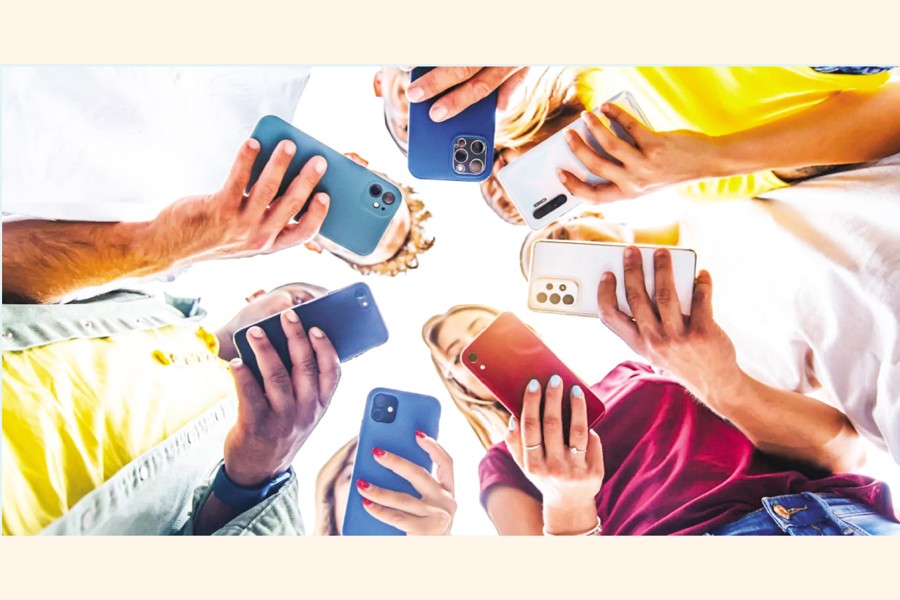
If your feed feels a little more pink-hued and selfies are suddenly featuring flower crowns again, you have not traveled back in time. You have just hit the 2026 Reset. A decade after 2016, which shaped the internet with bottle flips and endless memes, a new generation is trying to recapture that feeling. The question is simple. Is this just another trend, or are we ready to make the internet fun again?
Ten years ago, the internet felt lighter. 2016 gave us Pokémon Go, the Mannequin Challenge, and timelines full of jokes that made no sense but still made us laugh. We wore velvet chokers. We used Snapchat filters that added dog ears or flower crowns to our faces. You shared because you wanted to, not because you had to. Now those same vibes are back.
When you scroll through your feed today, you might feel a strange sense of déjà vu. The 'Love Yourself' buzz is everywhere. It is 2026, but the internet is desperately trying to convince us it is 2016.
Why 2016, and why now?
Life in 2026 feels heavy. The news never sleeps. Trends rise and die in hours. Algorithms decide what matters before we do. The "clean girl" look feels boring. AI-made content feels empty. Everything looks the same. So people are scrolling backward. They are pulling photos from old camera rolls. They are posting shaky videos and awkward selfies. For many, 2016 feels like the last good year before everything became tense. Before, being online felt like work. It was a time when the internet was just a place to hang out.
Thanks to a social media movement called the Great Meme Reset, the phrase gained popularity in December 2025, reaching a global peak in online searches. January 1, 2026, was proposed by TikTok creator joebro909 as a "reset day," an opportunity to relive the lighthearted online culture of 2016. Users quickly started reposting classic memes and reliving the lighthearted humor of that era.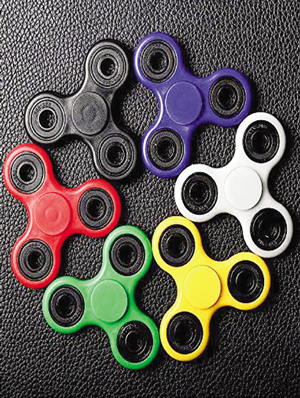 Even celebrities are following the trend
Ten years ago, social media felt like a playground. Today, it feels like a job. Gen Z is leading a "Great Reset," trading the polished perfection of current reels for the messy, raw energy of a decade ago.
Celebrities like Mehazabien Chowdhury and Tasnia Farin recently shared their 2016 archives. These were not the high-fashion, studio-lit shots we see now. They were simple, bright, and slightly over-exposed. Content creator Habiba Akter Shurovy joined in too, posting memories of an era when a photo was just a photo, not a brand statement.
This is not limited to Bangladesh. Hollywood is doing it too. Kylie Jenner has shared low-resolution selfies from her Tumblr era. Ariana Grande has done the same. These posts are not about fashion statements. They are about remembering a time when posting online felt human. When the internet did not demand perfection, and no one asked a picture to do more than exist.
From baking to blindness
The faces have changed, but the blindness has stayed. In 2026, we call it blush blindness. Women sweep blush across their cheeks, then joke that no one in real life makes them blush anymore, so the makeup has to do the job. The pink is bold, obvious, and worn like a statement.
Back in 2016, the blindness looked different. It was complete makeup blindness. Foundation piled on. Concealer layered thick. Faces were baked until time itself seemed to pause. No one questioned it. That was the look, and we followed it faithfully. And now people are bringing it back.
When we all dabbed together
If you see someone in a 2016 video, they are likely dabbing. That one specific arm gesture was the universal language of cool. It was the peak era of Bangladeshi YouTube. We watched Salman Muqtadir and Raba Khan make funny, relatable videos.
Channels like The Ajaira Ltd and creators like Prottoy Heron brought a new kind of comedy to our screens. It was a time of "The Old Instagram Logo" and the catchy beats of Sia's "Cheap Thrills."
Uniqueness vs. the template
Modern social media is efficient but boring. Everyone visits the same aesthetic cafe, takes the same mirror selfie, and uses the same trending audio. We have become templates of each other. And after years of pandemic anxiety and pressure to appear "perfect" online, many young users are choosing joy over polish.
In 2016, the world had its own problems. There was political unrest and global shifts, but they did not feel as heavy. Information did not hit us in a 24-hour cycle of panic. We were more connected to the people sitting across the table than the strangers in our comments section.
The return to 2016 is not about old songs or outdated trends. It is a response to the predictability of social media. In 2026, everyone follows the same formula, leaving little room for personality. Looking back is a way to push against that sameness. People miss being different without trying so hard. They miss enjoying moments without thinking about reach or engagement.
As another day ends in 2026, the feeds keep filling with familiar sounds and familiar faces from the past. This is not about going backward. It is about taking back control. Before algorithms decided what mattered, people did. And that is what this reset is really about.
malihatasnim02215@gmail.com