
How to recalibrate your spending and lifestyle for the Budget FY27
ZAHID HASAN | Wednesday, 17 June 2026
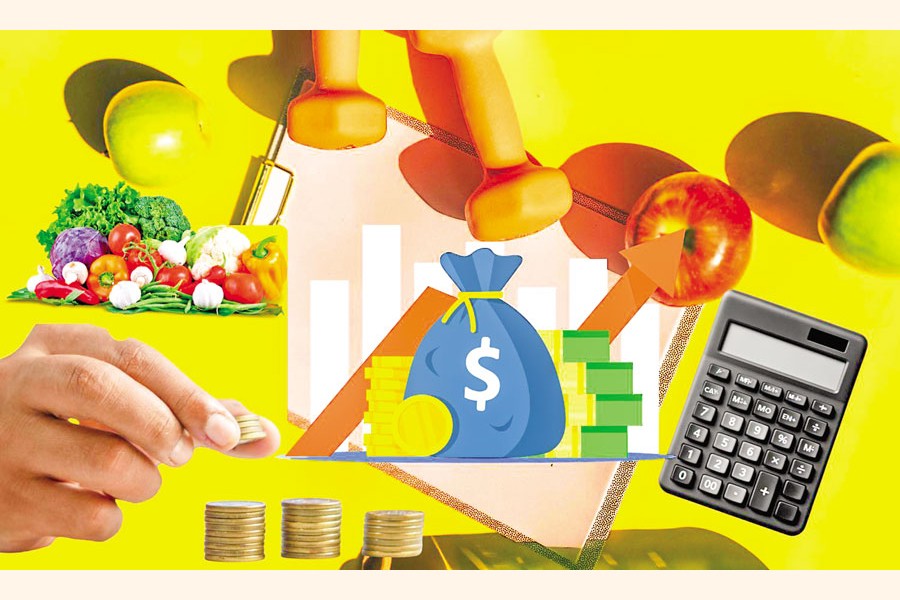
The national budget for the fiscal year 2026-27 is now public. It presents a massive expenditure plan of 9.38 trillion taka. This fiscal blueprint shifts the economic landscape for every household. Mainstream business reports focus heavily on macroeconomic deficits.
Financial analysts debate the corporate tax structures intensely. However, the general public faces a different set of immediate questions: how they would adjust and what if their earnings were enough now?
Every day, citizens need to understand the direct impact on their personal wallets. They must adapt their daily routines to these new fiscal realities.
Conscious spending and pre-planning
The current economic climate demands careful financial navigation.
Core inflation remains high at over nine per cent. This persistent inflation reduces the purchasing power of the middle class. Yet, the new budget offers specific areas of relief, such as daily food items, health care sectors and several skill development programmes.
Smart consumers must identify these targeted concessions. They can adjust their lifestyle choices to maximise these benefits.
Strategic planning can shield household economies from severe stress. Creative adjustments can even unlock new opportunities for personal growth.
Monitoring the kitchen market and adjust spendings
Kitchen markets represent the frontline of daily expenditure. The new budget introduces vital source tax cuts on ten essential items.
These commodities include rice, wheat, potatoes, onions, and edible oil. The policy aims to lower the baseline cost of home meals.
Consumers can closely monitor these retail price adjustments. They must align their shopping habits with these tax-relieved items. This targeted relief provides a cushion for domestic food budgets.
Rumana Ahmed, a homemaker living in central Dhanmondi, maintains a family of eight. She was conscious way before the budget was presented.
"The source tax cuts on staples like onions and oil offer real relief. My monthly grocery bills will decrease slightly. I will track retail prices to ensure merchants pass down these savings," she said.
Home dining will save you money
Dining out has become an expensive habit for urban families. High restaurant VAT rates compound the impact of general inflation.
Families can choose to cook more meals at home. Home cooking utilises the newly subsidised grocery items. This shift reduces reliance on costly food-delivery apps.
It also promotes healthier eating patterns within the family. Small adjustments in meal preparation yield significant monthly savings.
Savings for treatment
Healthcare expenses often disrupt the structure of household finances. The new budget addresses this vulnerability directly.
The state has doubled the total health sector allocation. Medical inputs are subject to broad duty and value-added tax exemptions.
Life-saving medicines will become more affordable. Diagnostic equipment also benefits from these import tax reliefs. Citizens can leverage this policy shift to prioritise long-delayed medical checkups.
Mohammed Asif Haq is a businessman based in Sylhet. He has an ailing father with chronic kidney disease. He believes the FY27 budget will get him some relief.
He said, "High healthcare costs previously wiped out my family savings. The new tax exemptions on healthcare services, especially on dialysis, gave me relief, which will save a lot of my earnings."
Families can now adopt a proactive approach to wellness. Preventive healthcare reduces long-term medical burdens. Regular health screenings detect issues before they become emergencies.
Invest in training
This fiscal cushion protects overall household stability. The digital landscape is undergoing major transformations. The budget allocates five billion taka for grassroots information technology entrepreneurship. Another 3 billion taka supports the Creative Economy Fund.
This fund targets cinema, design, software, music, and architecture. The government encourages digital self-reliance and innovation. This allocation signals a massive shift toward creative career paths.
"The creative economy fund opens big doors for my peers. We can access state resources for design and software projects. This budget legitimises our unconventional career aspirations," said Md Imran, a software Engineering Student from a private university.
Students can align their skills with these subsidised sectors. Traditional career trajectories are no longer the sole option. Young adults can explore digital freelance platforms. They can invest time in specialised software training programs.
Graphic design and content creation receive official economic backing. This policy changes the lifestyle focus from job seeking to skill building.
Unemployed individuals can also make the best out of this digital pivot if they channelise their skills and opportunities in the right direction.
The IT fund prioritises local tech training initiatives. Unemployed youth can access state-sponsored digital workshops. These programmes teach web development, digital marketing, and data analysis.
Acquiring these skills enables entry into the global remote workspace. This transition offers financial independence during tough economic periods.
"I have been managing my family without a formal job for a year. I expect the new tech funds will provide free training options. It will be an opportunity for freelancers like me to skill up, probably getting a job and supporting my household through freelance work," said Nusrat Jahan, a job seeker living in Mirpur.
Saving and investments from tax rebates
Tax compliance is another critical area for lifestyle adjustments. The tax-free income threshold stands at 375,000 taka for general citizens.
The threshold is 425,000 taka for women and senior citizens.
The budget offers an immediate 5 per cent tax rebate for early filing.
This early window spans from July first to September thirtieth. Conversely, late submissions face automated financial penalties.
Tax organisation must become a regular household ritual. People should avoid the traditional late November rush. Early filing functions like a guaranteed return,, and people can save or invest the rebated money elsewhere.
Lifestyle choices must reflect the new reality of wealth tracking.
The budget introduces automated monitoring for high-value assets.
This system tracks gold purchases and elite club memberships.
Wealthy consumers should adjust their high-end leisure allocations. Transparent financial habits protect assets from legal complications.
Using public transportation
Transportation expenses require careful personal review. Fuel price fluctuations continue to affect commuter budgets.
Public infrastructure receives sustained investment in the new fiscal plan. Metro rail networks offer predictable and subsidised transit options. Urban professionals can transition away from private vehicle use. Ridesharing options can be replaced with public transit schedules.
This change drastically lowers monthly fuel and maintenance bills.
"Driving my car to work costs a fortune in fuel. The metro rail expansion provides a cheaper alternative. I will change my commute habits to save money under the new budget," said Tasnim Yasmin, Bank Officer, Motijheel.
Saving energy means saving money
The domestic energy sector presents another opportunity for adjustment. Electricity tariffs face gradual structural adjustments. Smart homes must prioritise energy efficiency.
Families can replace old appliances with energy-saving inverter technology. Conscious conservation reduces monthly utility bills.
Small daily habits add up to significant financial relief over the course of the fiscal year.
The budget for the fiscal year 2026-27 demands intentional living. It challenges citizens to abandon passive spending habits.
Consumers must analyse price shifts actively. They should direct their resources toward tax-exempt sectors.
They must utilise state funds for education and tech upskilling. Financial discipline transforms policy changes into personal advantages.
National budgets dictate the broad rules of economic life. However, personal choices determine individual financial freedom.
hasan.zahidwalkingtales@gmail.com