
India critises EU ban on mango imports
Tuesday, 29 April 2014
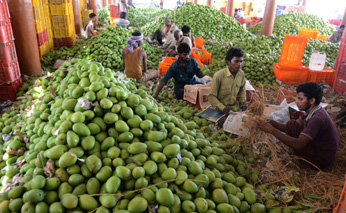
NEW DELHI: India's leading export promotion agency criticised a European ban on mango imports as unjustified Tuesday and appealed to Brussels to overturn its decision.
The 28-member European Union imposed the ban, to take effect May 1, on import of the highly prized Alphonso mangoes, known as the "king of fruits", and four vegetables after finding unwanted pests such as "non-European fruit flies" in consignments.
"Now all consignments are undergoing certification and testing to address the concerns," Rafiq Ahmed, president of the Federation of Indian Export Organisations (FIEO), a government-affiliated organisation, told AFP.
"We ask the EU to look into the matter -- we have taken care of the issues. Now they should lift the ban," Ahmed said.
The EU ban affects 16 million tonnes of mangoes. India, the world's largest exporter, sells up to 70,000 tonnes of various mangoe varieties globally.
But exporters said other buyers in the Gulf and the Asia-Pacific region are looking at buying the Indian mangoes.
An Indian commerce ministry official told AFP that New Delhi has already raised the issue with Brussels and will do so again.
The Brussels-based Europe India Chamber of Commerce (EICC) separately issued a statement saying the ban could derail slow-moving free trade talks between India underway since 2007.
"There was no scientific justification for the ban," said Sunil Prasad, EICC secretary-general, calling the move "misguided".
The EU plant health care committee announced plans last month for the ban after 207 Indian consignments of fruits and vegetables were found to be contaminated by pests. Among the vegetables banned are bitter gourd and eggplant.
The EU said it acted to tackle what it called "significant shortcomings in the phytosanitary certification system."
It noted a high number of consignments arriving with "pests, mainly insects, like non-European fruit flies".
Though the prohibited goods account for under five percent of total fresh fruits and vegetables imported into the EU from India, introduction of new pests could threaten EU agriculture, the committee said.