
Indian govt proposes overhauling colonial-era criminal laws
Modi wins no-trust vote over Manipur ethnic violence
Saturday, 12 August 2023
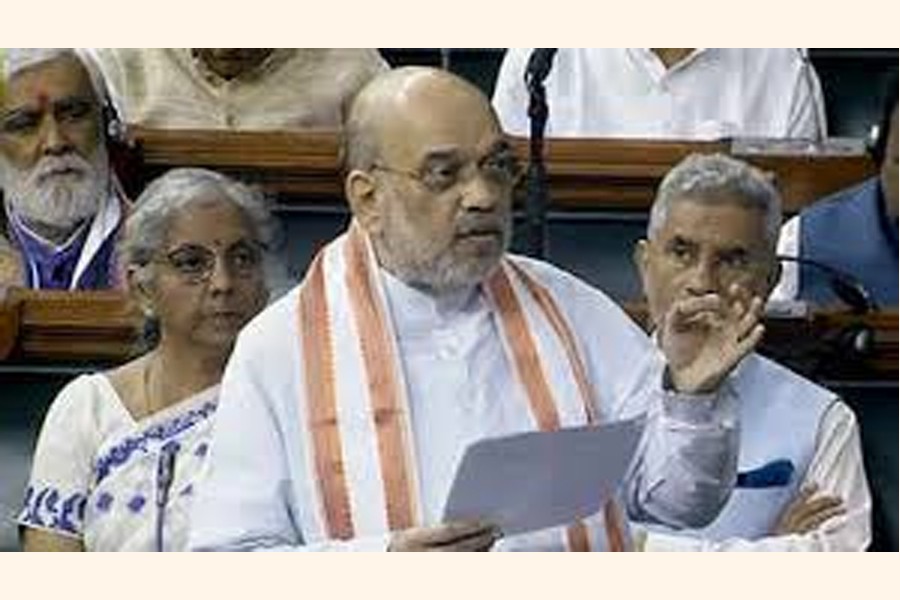
NEW DELHI, Aug 11 (Reuters/BBC): India's government moved three bills in the lower house of parliament on Friday aimed at overhauling some colonial-era criminal laws, ranging from the controversial sedition law to strengthening laws that protect women and minors.
On the last day of the monsoon session of the parliament, Federal Home Minister Amit Shah presented bills to repeal and replace the Indian Penal Code, the Code of Criminal Procedure, and the Indian Evidence Act, many implemented by the British before the country's independence in 1947.
The new legislation "will aim to give justice, not punishment," said Shah, adding that the overhaul was imperative as the colonial laws have been at the core of the criminal justice system for over a century.
The bills will be sent to a parliamentary standing committee for deliberations before passage.
Some legal experts said the bills, if approved by Parliament, may create disruptions and add complexity to the legal process as courts will have figure out procedural implications and positions on tens of thousands of existing trials.
But those in favour of the changes said they enable fresh discussions on the need to reform several laws protecting females and minors, and also adds a fresh layer of transparency to criminal codes. The bill seeks to replace the colonial-era sedition law which was mainly used against Indian political leaders seeking independence from British rule.
However, in modern India it has frequently been used since 1947 as a tool of suppression by successive democratically elected governments to intimidate people who protest against authority.
Meanwhile, India's Prime Minister Narendra Modi has defeated a no-confidence vote in the parliament after a three-day debate.
His government was not expected to lose the vote as his Bharatiya Janata Party (BJP) and its allies have a majority.
Mr Modi criticised the vote as an attempt by opposition parties to "defame India". Opposition leaders say the vote was moved to force him to speak on the ethnic clashes in Manipur state.
More than 150 people have died and tens of thousands have been displaced in Manipur since May, when clashes broke out between the majority Meitei group and the tribal Kuki minority.