
Indian lenders shun rupee mechanism in Russia trade
Tuesday, 11 October 2022
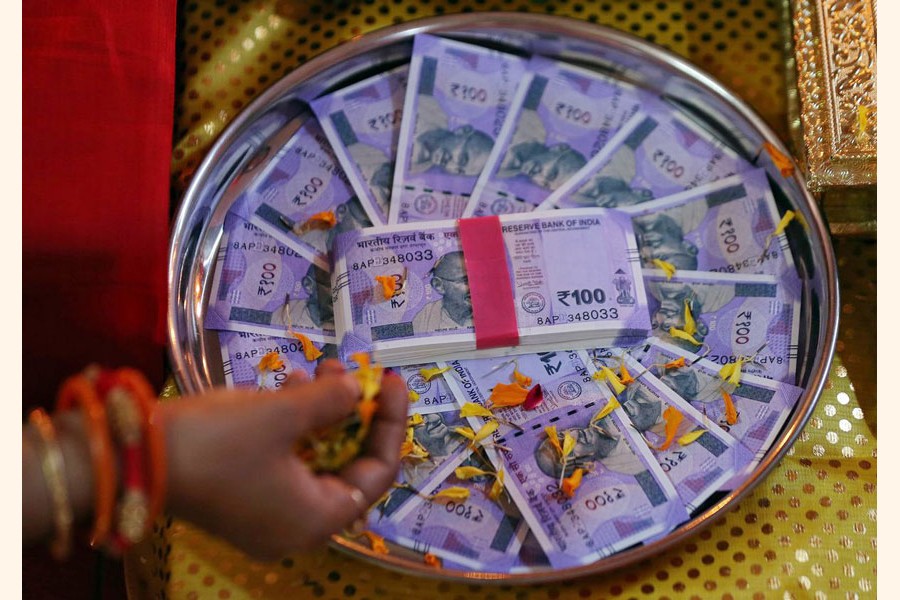
MUMBAI, Oct 10 (Reuters): Large Indian lenders are reluctant to process direct rupee trade transactions with Russia months after the mechanism was put in place for fear of becoming the target of sanctions by the United States and Europe over the invasion of Ukraine, sources said.
Two smaller lenders have moved to adopt the system after the Reserve Bank of India (RBI) said in July that it had set up an arrangement for international trade settlements in Indian rupees with immediate effect.
But bigger lenders with more exposure to the international financial system, and in particular the dollar, are worried their businesses could be disrupted if targeted by sanctions.
Register now for FREE unlimited access to Reuters.com
Western sanctions to punish Russia for its invasion of Ukraine are trying to limit Moscow's access to foreign exchange, particularly the dollar. India has deep trade ties with Russia, and the rupee mechanism can help bypass the US dollar and the euro for settlements.
An Indian diplomat in Russia said Russian banks had reached out to eight large Indian counterparts to set up rupee trade settlements, but the Indian banks had not responded.
Some of these banks include India's largest lender State Bank of India, Punjab National Bank, Bank of India, Bank of Baroda and Central Bank of India, the source said.
None of these banks responded to e-mail requests seeking comment.
But several sources at the banks privately confirmed they had decided not to use the structure, at least for now.
One of them, a senior executive at a large state-owned bank, said using such a settlement mechanism could be a violation of some sanctions rules. "They (Western nations) can impose a sanction on us, it will be a major business and reputational loss," said the banker.
Indian banks continue to settle trade with non-sanctioned Russian entities in dollars or euro, but the sources said they believe that settlements in rupees could come under greater scrutiny.