
Innovative dental implants by Korea's Osstem
An interview with Jongwon Kim, Managing Director of Osstem Implants in Bangladesh
Monday, 30 October 2023
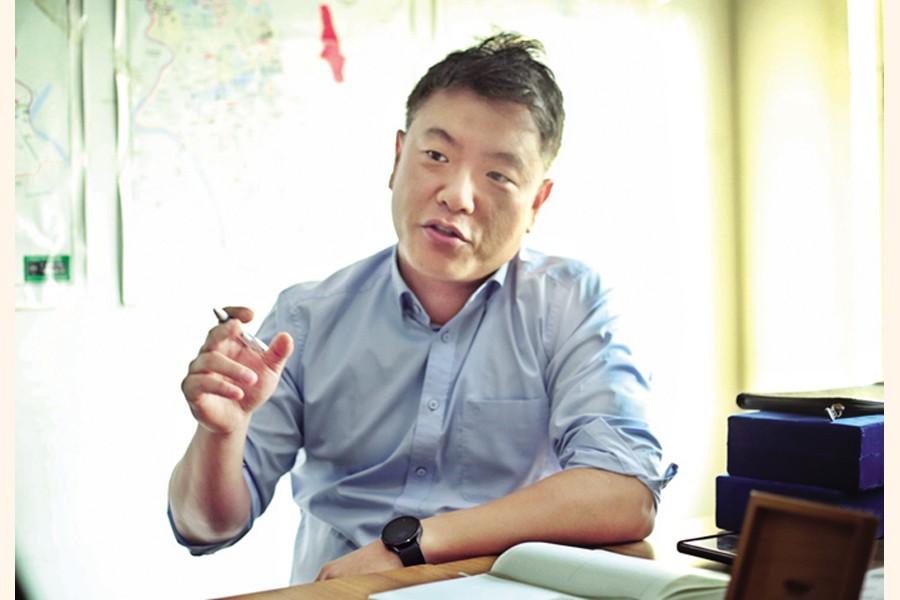
Question: Could you please share the Osstem Implant's journey and the key achievements that have led to its success in the dental implant industry?
JK: Osstem Implant takes great pride in its innovative approach to dental implants. Our primary mission is to offer patients the most advanced and effective solutions for tooth replacement. What truly distinguishes us is our unwavering commitment to research, development, and the utilization of cutting-edge equipment. As the pioneering dental implant manufacturer in Korea, Osstem Implant's journey began in 1997. Over the years, we have expanded our reach beyond Korea. Today, dental implant surgery has gained popularity not just in Korea but across the globe. As of 2022, Osstem Implant held a remarkable global ranking no. 3 with 10% market share. And we are the no.1 dental implant sales company from 2017 based on implant fixture. Our operations in Bangladesh started in 2011, but our business growth has been relatively slow in the country. This is partly due to the limited awareness about dental implants among the local population. Currently, we are operating in 32 countries, 36 subsidiary offices including Bangladesh, India, China, and the United States. We have recently initiated our operations in the EU. Our product portfolio encompasses a wide range of top-quality dental equipment, setting us apart from the competitors. In Bangladesh, our market share stands at an impressive 70% to 80%. However, only approximately 5% of the 350 to 400 dental chambers in the country are equipped to perform dental implant surgeries.
Question: What specific challenges have you encountered as the Managing Director of Osstem Implant in Bangladesh?
JK: My foremost challenge is to increase sales in Bangladesh. The income levels of people in this region are relatively low, which has deterred them from considering services like dental implants. However, as economic development progresses, more individuals are seeking an improved quality of life. A significant hurdle in this endeavor is the lack of awareness about dental implants among the general population. Surprisingly, even many healthcare professionals are not well-informed about this innovative solution. In this context, we aim to provide education and training courses to dentists, empowering them to offer superior services to their patients. Currently, we serve approximately 300 customers in Bangladesh, but our goal is to expand our reach and make dental implants more accessible to the local population.
Question: Can you explain how Osstem Implant's comprehensive dental solutions and IT services benefit dental clinics and patients, particularly in the context of digital dentistry?
JK: Well, let me explain it. Our primary goal is to sell implant equipment, and our secondary goal is to provide training on how to use this equipment. While there are colleges and universities in Bangladesh that offer dental programmes, they typically don't include dental implant surgery in their curriculum. This situation is similar in Korea. To bridge this gap, we offer a six-day dental training surgery programme at an affordable cost. This programme equips participants with the skills to perform dental implant surgeries. Osstem Implant offers a comprehensive range of services, encompassing teeth replacement, dental equipment, pharmaceuticals, dental IT technology, dental clinic interior design, dental implant education and training, as well as dental clinical broadcasting and web portals. This holistic approach allows us to provide valuable support to the dental community and patients in Bangladesh.
Question: Dental implant techniques have evolved significantly over the years. What makes Osstem Implant's dental implant technique unique from others, and how has it contributed to the company's global popularity?
JK: Osstem Implant's dental implant technique is distinct from others due to its strong emphasis on innovation and quality. One key factor that sets it apart is the company's substantial investment in R&D. The company allocates 11% of its total sales for this purpose. This significant commitment to R&D is indicative of Osstem Implant's dedication to staying at the forefront of dental implant technology. Our commitment to R&D results in cutting-edge products and solutions. This reputation for quality and innovation can attract a global customer base, further establishing the company's popularity in the dental implant industry.
Question: In Bangladesh, Osstem Implant is known for its involvement in 'Digital Dentistry.' Could you elaborate on how this approach enhances the safety and effectiveness of dental implant surgeries in the country?
JK: The current global trend in dentistry is undoubtedly digital dentistry. However, it is believed that Bangladesh still requires significant investment and time to transition the dental industry into the digital phase. Digital dentistry involves digitizing all oral-related information, providing optimized patient care for their oral health. Initially, intraoral scanners and CBCT (Cone Beam Computed Tomography) are utilized for acquiring patient dental information through intraoral and extraoral imaging techniques. Traditional intraoral imaging methods involve taking impressions with rubber materials, which can be uncomfortable for patients and may lead to inaccuracies. Recently, the use of CAD/CAM technology has made it possible to design and manufacture dental restorations, increasing productivity and efficiency compared to manual work. This shift also results in reduced labor, cost savings for patients, improved precision, and consistent quality, providing a more convenient environment for both dentists and patients.
Osstem Implant directly manufactures all the dental equipment required for digital dentistry, including intraoral scanners, CBCT machines, CAD/CAM systems, milling machines, and 3D printers. They have already launched CBCT in Bangladesh this year and are planning to sequentially introduce other digital equipment as well.
Question: How does Osstem Implant ensure that its technical services meet the highest standards to ensure successful outcomes for patients?
JK: Osstem Implant provides extensive training and education to dental professionals who use our products. This includes training on the proper use of Osstem's implant systems and associated technologies. Ensuring that clinicians are well-trained can enhance the success of dental implant surgeries. We offer ongoing technical support to dental professionals. This may involve a team of experts who can provide guidance and assistance with case planning, implant placement, and troubleshooting technical issues that may arise during surgeries. Moreover, we maintain strict quality control measures in the manufacturing and distribution of the implant products. This includes rigorous testing and quality assurance processes to ensure the reliability and safety of the products. As I said earlier, Osstem invests in R&D to improve and innovate their implant systems and relevant technologies. This commitment to innovation can lead to the development of advanced and reliable products that enhance patient outcomes. We also adhere to regulatory standards and certifications in the regions where we operate. This ensures that our products and technical services meet the highest industry and safety standards.
Question: What efforts has Osstem Implant made to ensure the sustainability of dental implant surgery in Bangladesh, both in terms of environmental sustainability and long-term patient outcomes?
JK: In this case, the company's support is very important. We have a corporate office in Bangladesh with 14 people here. We are providing all kinds of facilities and equipment here. We are providing general services to maintain our products. It actually depends on the patients. Maintenance is also important.
Question: As Osstem Implant continues to expand its operations in Bangladesh, what are your expectations regarding the company's contribution to the country's economic development in the coming years?
JK: As a developing country, Bangladesh has been witnessing steady income growth among its population. This economic progress has translated into an increased demand for healthcare services, particularly in the field of dentistry. Given Bangladesh's large population, there's a growing need for quality healthcare services. Our dental implant products are known for their high quality, which has contributed to a significant increase in our sales. The economic conditions in Bangladesh are indeed on an upward trajectory, and the demand for healthcare services, including dental implants, continues to rise. I believe that the dental implant business has bright prospects in days to come in the country.