
Is beauty sleep linked to how we look?
DR IMTIAZ AHMED | Wednesday, 19 July 2023
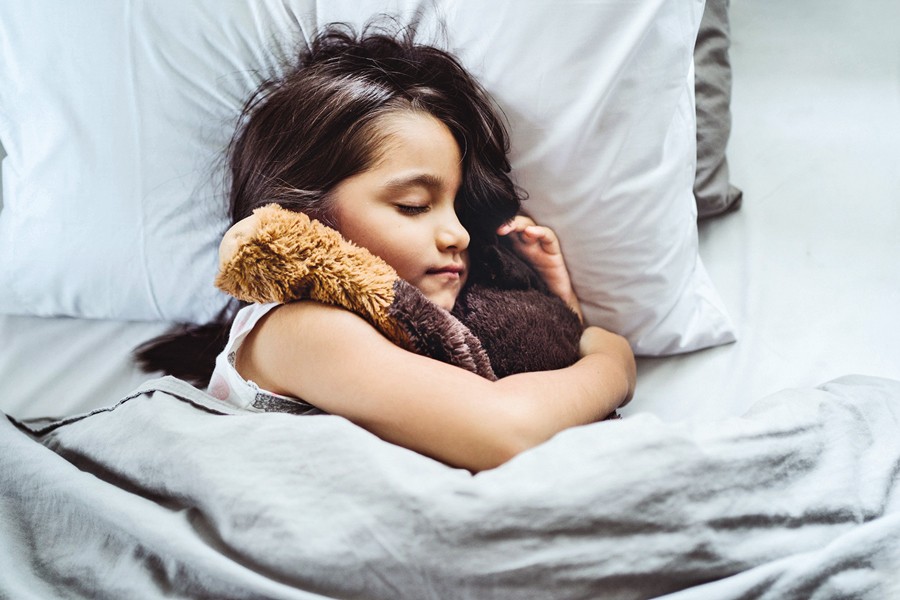
Just passed a sleepless night? Look at the mirror in the morning and see. Do you have puffy, red eyes with dark circles underneath? Does your skin look pale or blotchy? And all of this because you did not have your beauty sleep.
Beauty sleep does not necessarily mean extra sleep or daytime sleep. This term was introduced in 1828 to refer to sleeping before midnight.
As the name suggests, the idea was if we sleep early, it would brighten our appearance. The current understanding is that beauty sleep is sound sleep at night for the appropriate duration. It is crucial for a healthy body, including appearance.
In the modern world, there is a myth that less sleep gives you an advantage over competitors because you gain more working hours. This has been cemented by countless movies and TV shows showing people working long hours at maximum capacity. This is most certainly not true.
Another inaccurate perception is that we can compensate for losing sleep during weekends and holidays. This is never true. If we are not getting enough sleep, it will negatively impact our quality of work and reduce overall productivity. Our health condition will suffer if we are not allowing it the rest it needs.
Sleep does affect our body in every way. But how exactly is it related to appearance? A sleep expert from Georgia, USA, Dr Jeffrey Durmer, explained that sleep deprivation interferes with the nervous system's ability to regulate our blood vessels, causing redness in the eyes, face and neck. Plenty of studies support the positive effect of a good night's sleep.
Sealy, a mattress company, conducted a survey in the UK. It revealed 42 per cent of people with a regular good sleep routine have brighter eyes, 20 per cent have clear skin, with 17 per cent having fewer wrinkles. Another 21 per cent reported better complexion.
Researchers from Sweden's Karolinska Institute did an interesting study. They took pictures of people after a good night's sleep and again after 31 hours of sleeplessness. The difference in the appearance of the same person before and after sleep deprivation was striking. Lack of sleep produced swollen and reddish eyes with dark lines, wrinkles, drooping mouth, pale skin etc.
Poor sleep duration and quality have also been linked to premature ageing. University Hospital Cleveland's dermatology department conducted an experiment. They discovered that if our body does not get enough sleep, the physical signs of ageing become more prominent. Skin barrier damage could lead to acne or other skin diseases too.
Renowned US medical author Dr Jacob Teitelbaum opined that this is due to the disturbance in our body's natural rhythm. He also warned about the risk of obesity and weight gain if we do not sleep properly.
Dr Mikhail Varshavski from New York highlighted that sleep is a time for our body's regeneration. When we sleep, our cells repair the wear and tear, and our brain cells strengthen their connection. He compared sleep to some fountain of youth, where we should immerse ourselves every night.
A few tips might be helpful. A warm shower (not hot) just before bed is a great idea, along with a moisturising cream or lotion after the bath. Caffeine, TV and hard exercise - all should be avoided after the evening.
Also, when we go to bed and cannot sleep, rather than closing our eyes and hoping sleep will come, we should get out of bed and do some relaxing activities. According to US National Sleep Foundation, such activities may help to create the mood to fall asleep.
We should remember that not everyone will need the same amount of sleep, depending on factors like age, genetics, etc. On average, a healthy adult should target at least 8 hours. Children and seniors may need more. So let's get our beauty sleep and start the day fully charged with a refreshing appearance.
imtiazdmc@gmail.com