
‘July Museum to preserve history of anti-authoritarian struggle’
Wednesday, 13 May 2026
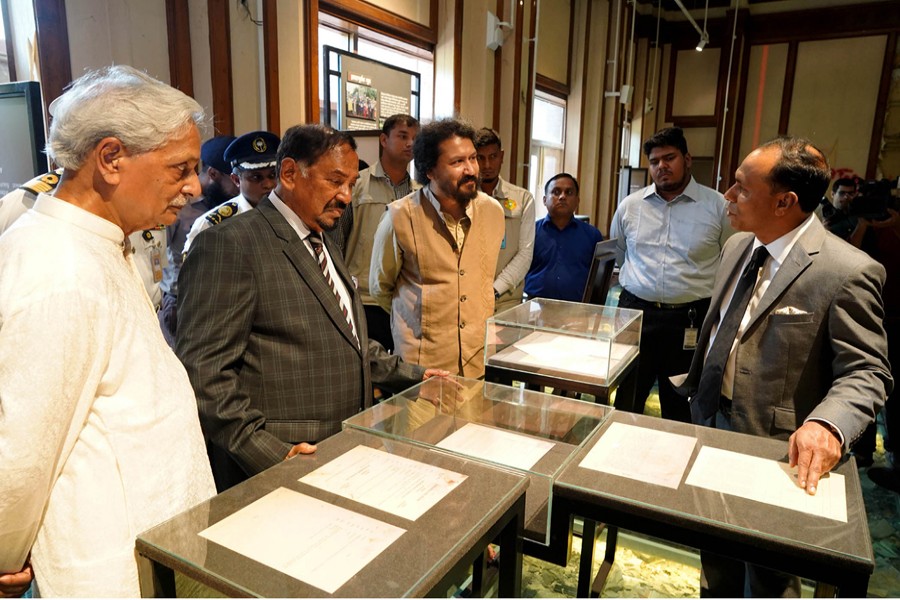
Jatiya Sangsad Speaker Hafiz Uddin Ahmad on Tuesday said the July Museum will remain a lasting inspiration for future generations in the struggle against autocracy, reports UNB.
"As long as this museum exists, the history of the people's resistance against authoritarianism in this country will be preserved," he said while briefing reporters after visiting the July Mass Uprising Museum.
The Speaker said the museum has vividly portrayed the repression, violence and killings carried out during the '16 years of sham and staged elections' under the rule of former prime minister Sheikh Hasina.
He said the sacrifices of Abu Sayed, Mugdha, Wasim and others during the July-August uprising would continue to inspire the nation.
He added that during the authoritarian regime, Sheikh Hasina's expression of sympathy toward the families of the disappeared was insincere, leaving her disgraced in history.
Hafiz Uddin Ahmed said the sacrifices made by ordinary people in every democratic and anti-autocracy movement in the country from 1971 to 2024 were unique contributions to the establishment of democracy.
"The sacrifices of the masses during the July Mass Uprising will remain an example for the world," he said adding that the July fighters dedicated their present for the future of the nation.
Deputy Speaker Barrister Kayser Kamal said the July Mass Uprising Museum symbolises Bangladesh's liberation from fascism. "The spirited youths sacrificed themselves to restore democracy in the country. This museum will stand as a unique tribute to their memories," he said.
During the visit, the Speaker, the Deputy Speaker and Cultural Affairs Minister Nitai Roy Chowdhury toured different sections of the museum, including the "Long Walk to Democracy" road displaying photographs of major political events from 1971 to 1991. They also visited murals and graffiti, documents on the July mass uprising, summaries of killings during the quota reform and anti-discrimination movements from July 1 to 36, 2024, and memorials dedicated to the 2009 Pilkhana massacre, the Shapla Chattar violence, the Safe Roads Movement and slain student Abrar Fahad.