
New breed starts to muscle in on Indonesia\\\'s old-style patronage politics
Tuesday, 8 July 2014
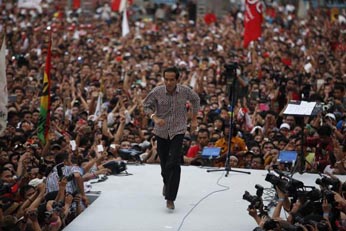
Indonesia's presidential election on Wednesday could be the last chance for old style politicians to lead what is one of the world's biggest democracies, and one of its youngest. Since 1998, when Indonesia finally shrugged off decades of autocratic rule, the national leadership has remained dominated by old faces and old practices, including patronage and rampant corruption. Until now, that is. On July 9, ex-general Prabowo Subianto will battle for the presidency against Joko ‘Jokowi’ Widodo, who has arrived on the national stage through local politics and is the first presidential candidate not to rely on the traditions that have produced past leaders. ‘(Prabowo's bid) is really the last gasp of the old guard,’ said one of Indonesia's most senior bankers, speaking on condition of anonymity because of the sensitivity of the issue. Jokowi, the governor of Jakarta, was born in poverty and muscled into key positions with the promise of a leader who gets things done, cuts through red tape and is clean. For decades, officials have viewed bribes as their chief source of income and have helped turn Indonesia into one of the world's most corrupt societies. The public response to the new group of politicians has been remarkable and is changing the face of the country's politics. With about a third of Indonesia's 190 million voters under 30, entrenched political parties are being forced to embrace the change to remain in power. Jokowi is considered the most popular politician in Indonesia and is the frontrunner heading into Wednesday's election. In March, ex-president Megawati Sukarnoputri and head of the Indonesian Democratic Party-Struggle (PDI-P), had no choice but to put aside her own ambitions to be back in the palace and nominated Jokowi for the post instead. Earlier this year, Tri Rismaharini, the popular mayor of the city of Surabaya, found herself at odds with the PDI-P central command over who she should appoint as her deputy. Hundreds of thousands of supporters rallied in Rismaharini's favor on social media, slamming the party for trying to force her hand. The party had to capitulate and even fly in Megawati to smooth things over. ‘Risma is the perfect example of an activist mayor defying party bosses who were trying to bully her,’ said one party insider who asked not to be named due to the sensitivity of the issue. ‘That doesn't happen often here. There was a time when she would have been fired for going against them,’ according to Reuters.