
New Year 2026 and Bangladesh's journey towards peace, progress, and prosperity
Matiur Rahman | Friday, 26 December 2025
As Bangladesh welcomes the dawn of 2026, the nation finds itself at a decisive moment in its journey toward sustainable development, political stability, and social inclusion. This year is more than a simple turning of the calendar; it represents a critical juncture to reflect upon past achievements, recognise ongoing challenges, and envision a future that promises peace, progress, and prosperity for every citizen.
Bangladesh's socio-economic transformation over the past five decades is remarkable. From a war-torn, impoverished country at the time of independence, the country has emerged as one of the fastest-growing economies in South Asia. The nation's progress is underpinned by multiple factors, including policy reforms, investments in human capital, and the resilience of its citizens. The rise of digital technologies, the expansion of export-oriented industries, and the strategic development of infrastructure have collectively contributed to improving livelihoods and generating employment opportunities. The emergence of a knowledge-based economy is now visible in the rapid adoption of digital financial services, e-commerce platforms, and technology-driven solutions across agriculture, health, and education sectors.
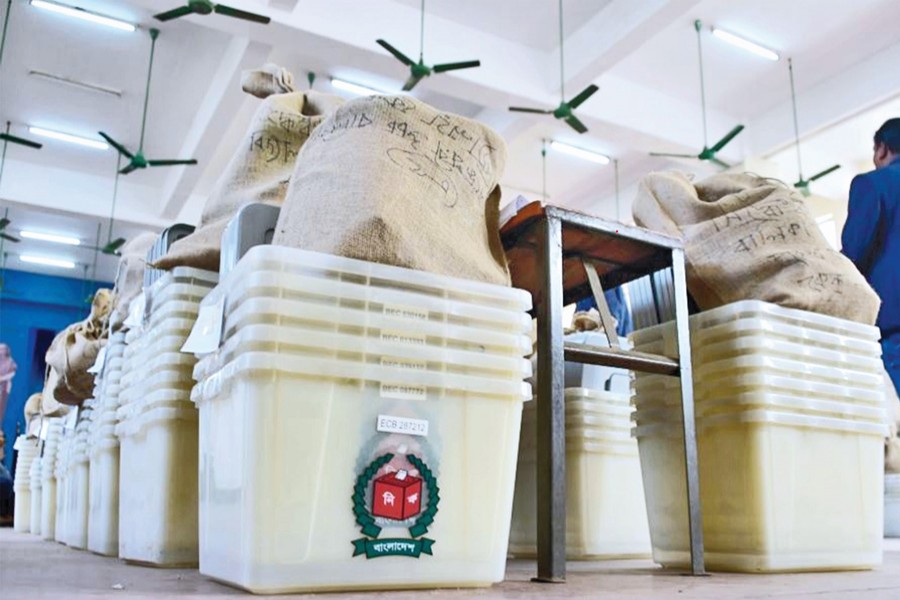
However, economic growth alone does not ensure prosperity. True development is multi-dimensional, encompassing political stability, social cohesion, and the well-being of all citizens. In 2026, the significance of inclusive governance cannot be overstated. The national elections scheduled this year carry profound implications for the country's political stability, policy continuity, and democratic ethos. A transparent, credible, and participatory electoral process is essential to safeguard public trust and reinforce the legitimacy of governance. Political stability, in turn, creates an enabling environment for long-term investments, industrial growth, and the implementation of developmental strategies that can uplift millions from poverty.
Bangladesh's human development achievements offer a beacon of optimism for the New Year. Literacy rates have steadily improved, with education initiatives focusing on access, quality, and gender parity. School enrollment, particularly among girls, has witnessed significant gains, enabling a generation of empowered youth to contribute to national development actively. Health indicators, such as maternal and child mortality, have improved consistently due to sustained investment in healthcare infrastructure, vaccination programs, and community-based interventions. These accomplishments demonstrate that Bangladesh is increasingly capable of transforming human capital into a robust engine for inclusive growth.
Nevertheless, the nation faces persistent challenges that demand attention in 2026. Income inequality, urban congestion, and regional disparities continue to strain social cohesion. The urban-rural divide is evident in access to healthcare, education, and employment opportunities. Mega-cities like Dhaka face infrastructural bottlenecks, traffic congestion, and pollution, whereas rural areas struggle with limited access to modern amenities, connectivity, and market integration. Bridging this divide requires an integrated approach that promotes regional development, equitable resource allocation, and investments in transport, energy, and digital infrastructure.
Climate change remains one of the most pressing challenges for Bangladesh in 2026. The country, situated in the low-lying delta region, is highly vulnerable to floods, cyclones, river erosion, and rising sea levels. These environmental hazards not only disrupt livelihoods but also strain national resources and infrastructure. In response, Bangladesh has demonstrated notable leadership in climate adaptation strategies, including the construction of resilient embankments, disaster risk management systems, and early warning mechanisms. However, the scale and frequency of climate-related disasters necessitate continuous innovation, community engagement, and international cooperation. Mitigating environmental risks while sustaining economic growth will be a defining challenge for the nation in the year ahead.
Social cohesion and inclusivity are equally vital in shaping Bangladesh's trajectory in 2026. The nation's rich cultural diversity, historical legacy, and shared values form a strong social fabric that can support unity and collaboration. Promoting tolerance, dialogue, and civic responsibility remains essential to prevent social tensions and ensure equitable access to opportunities. Programmes aimed at empowering women, marginalised communities, and persons with disabilities are critical for reducing systemic disparities. The government, civil society, and private sector must work in synergy to promote inclusive policies that ensure every citizen benefits from national development, thereby translating economic growth into real social progress.
Economic prosperity in 2026 is likely to be driven by diversification, technological innovation, and sustainable practices. Bangladesh's traditional export sectors, including textiles and garments, continue to play a vital role in generating foreign exchange and employment. At the same time, emerging industries in information technology, pharmaceuticals, renewable energy, and high-value manufacturing present new growth opportunities. Digital finance and fintech platforms are expanding financial inclusion, enabling small and medium enterprises to access credit and reach broader markets. By embracing innovation while ensuring environmental sustainability, Bangladesh can generate long-term wealth, employment, and resilience.
Youth engagement will be a defining factor in shaping Bangladesh's future. Representing over a third of the population, young citizens are ambitious, digitally connected, and increasingly involved in social and political discourse. Empowering youth requires targeted investments in education, skills development, mentorship, and platforms for civic participation. When properly harnessed, the energy and creativity of young people can drive innovation, entrepreneurship, and social change. In 2026, channelling youth potential toward constructive action is essential for reinforcing the pillars of peace, progress, and inclusive prosperity.
The cultural and ethical dimensions of development are equally crucial. Bangladesh's heritage, traditions, and moral values provide a framework for responsible governance, social solidarity, and ethical leadership. Upholding these principles while promoting modern values of equity, justice, and environmental responsibility ensures that progress is not merely material but also human-centred. Ethical governance, corporate accountability, and civic engagement are vital to translating growth into genuine societal well-being, ensuring that prosperity reaches all corners of the nation.
Regional and global cooperation will play an important role in 2026. Bangladesh's strategic partnerships in trade, technology, education, and climate action offer opportunities to leverage international expertise and resources. Participation in regional initiatives such as the Bay of Bengal cooperative frameworks, South Asian development networks, and global climate forums enhances the nation's capacity to address complex challenges. By aligning domestic policies with global standards, Bangladesh can ensure that economic growth, environmental stewardship, and social equity advance in tandem, strengthening its position as a proactive actor in regional and international arenas.
As the nation embarks on 2026, the vision of inclusive development, political stability, and collective well-being becomes more urgent and tangible. Policymakers are called upon to pursue evidence-based strategies, prioritise human development, and ensure equitable distribution of resources. Civil society and the private sector must complement state efforts by fostering innovation, accountability, and social engagement. Citizens, too, bear responsibility in shaping a culture of participatory democracy, ethical behaviour, and shared responsibility for national progress. Together, these forces can create a virtuous cycle where peace, prosperity, and progress reinforce each other.
The new year also presents an opportunity to reimagine social protection systems, disaster resilience frameworks, and urban-rural connectivity. Programmes that provide safety nets for vulnerable populations, ensure access to essential services, and promote sustainable livelihoods are critical for building a society capable of withstanding economic and environmental shocks. Equally important is fostering public awareness about civic duties, environmental conservation, and inclusive social practices. In 2026, building resilient communities and fostering active citizenship will be central to the country's long-term development agenda.
Bangladesh's economic prospects in 2026 are promising, yet achieving sustained growth requires a delicate balance between ambition and pragmatism. Expanding industrial capacity, enhancing productivity, and embracing innovation must go hand in hand with environmental sustainability and social equity. Investments in green energy, smart infrastructure, and knowledge-based industries offer pathways to higher productivity while mitigating ecological risks. Strengthening regulatory frameworks, improving governance, and facilitating public-private partnerships will ensure that growth is both inclusive and sustainable.
In essence, the dawn of 2026 represents a collective opportunity. It is a time for reflection, planning, and reaffirming commitments to the principles that have guided Bangladesh's remarkable journey. Peace, progress, and prosperity are not abstract ideals; they are attainable goals that require strategic planning, ethical leadership, and active participation from all sectors of society. Every decision made in governance, every policy implemented, and every initiative undertaken has the potential to shape the trajectory of the nation for years to come.
As citizens, policymakers, and business leaders embrace 2026, the collective aspiration must be a Bangladesh where economic growth is matched by social inclusion, political stability ensures equitable governance, and environmental stewardship safeguards the future. The promises of the new year call for empathy, foresight, and shared responsibility. In realising this vision, Bangladesh can move closer to becoming a nation where peace is enduring, opportunities are universal, and prosperity touches every citizen.
Ultimately, 2026 is more than a symbolic milestone-it is a test of Bangladesh's ability to translate its achievements into sustainable development, inclusive governance, and social well-being. By consolidating gains, addressing lingering challenges, and embracing the principles of equity, transparency, and resilience, the nation can ensure that this year becomes a defining chapter in its ongoing journey. As the country steps forward into the new year, the hopes of millions rest on the capacity of its leaders and citizens to create a Bangladesh that is prosperous, stable, and inclusive-a nation where every individual enjoys dignity, security, and the opportunity to thrive.
Dr Matiur Rahman is a researcher and
development professional.
matiurrahman588@gmail.com