
People must be grateful to Nature for its rich gifts
A CLOSE LOOK
Nilratan Halder | Saturday, 13 June 2026
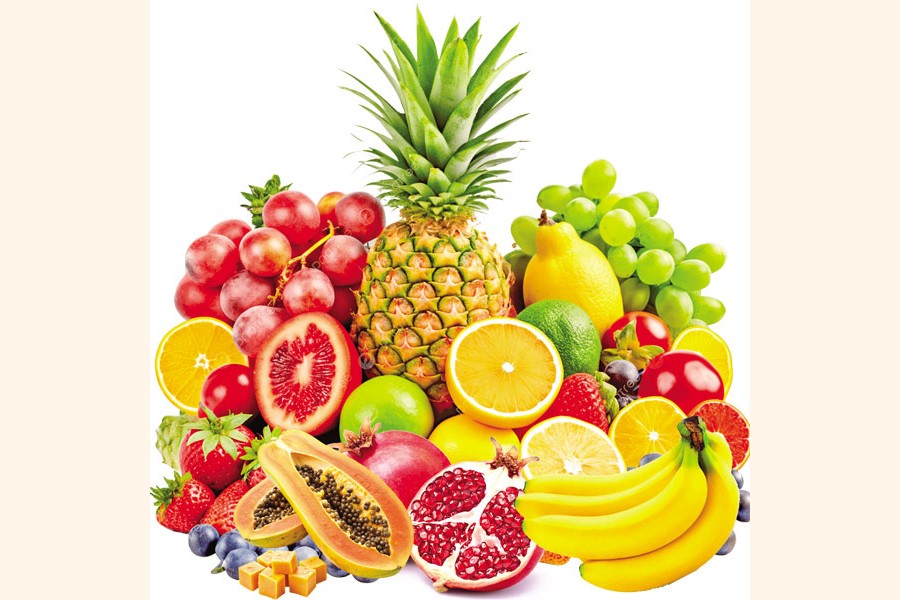
Jaistha, lovingly called madhumas (month of honey), is about to come to an end. It is the second month of summer in this part of the world. Known for sweltering heat, why this month is called the month of honey may be intriguing to the uninitiated. In fact, honey does not flow during this time but it has earned this soubriquet for no less a potent reason. It is a metaphorical term ---and aptly so---for bounties of Nature. The range of luscious fruits available during the summer is literally limitless. Each one of these fruits has distinct taste and flavour, enough to compete with honey.
This is exactly why this month is called madhumas. Mango in this part of the world is considered the king of fruits for its rich and juicy sweetness. There are so many kinds of them that it is difficult to keep a count of those. Broadly the familiar names are Gopal Bhog, Him Sagar, Khirshapat, Langra, Amrapali, Haribhanga and Fazli. All these varieties have their distinct taste, texture, flavour and sweetness.
No other fruit has such wide varieties and a few of the varieties of other fruits such as black berries have virtually become extinct. A kind of black berry is as juicy as the prime type but it is sour. Another berry, very small and round, called loha jam appears to have disappeared. The prime type of berry is so tasty that it challenges other fruits including mango. Black berry is way different from its Western counterparts. Another indigenous fruit with the first part of its name borrowed from berry (jam) called jamrul is aptly called wax apple, water apple or java apple.
Mangoes and berries apart, the generous offerings from Nature are water melon, pineapple, lichi or litchi, green palm seeds etc. These are popular fruits and known almost to all. But cane fruit is an extraordinary treat. Today, cane bushes have almost vanished from villages and even village children do not know how the fruit looks like. But this fruit treated with a few pinches of turmeric powder and a little mustard oil becomes a delicacy of its own when shaken in a pot with its mouth tightly wrapped or closed.
Another fruit called kau far bigger than lotkon and full of juice appears to be on the verge of extinction. Then there are doua fruit which is still available has a different aroma and taste. Another native berry more like gooseberry that grew in the wild seems to have disappeared. This wild berry, initially green, turned red or vibrant magenta when ripe, was a childhood favourite for today's senior citizens.
Finally, the national fruit of Bangladesh, jackfruit that is, is the largest and heaviest fruit in the world. Considering its size and contents, it is cheaper than most fruits. The fruit is a powerhouse packed with protein, dietary fibre and vitamins, chief among them vitamin C. Jackfruit may not be a favourite of all but its rich contents gives the poor people the energy they need. It is good enough to make up for the loss of energy due to scorching heat of summer.
This year, however, the summer has not been a time of unrelenting heat because of the rains that have been generous to come down whenever the mercury rose to its maximum level. In fact, people may not have experienced another such wet summer in their lifetime. The result is that all kinds of fruits have a bumper yield. Mangoes, litchis and blackberries got the ideal environment for their growth. Litchis and blackberries in particular have thrived on the heavenly shower. Even when inflation is unnerving the poor and middle class people, litchis are comparatively cheaper than they were in previous summers. Blackberries too are abundantly available and their price too is reasonable.
The madhumas is celebrating the indigenous fruits so much that the people must be grateful to it. At a time when the adverse effects of climate change are felt in most other parts of the world, Nature has been kind to the people here. Crops and fruits are a precious gift from Nature to all creatures including human beings. Although the inhabitants of haor (wetland) areas could not make the most of their bumper crops due to floods, it is not Nature but greedy men who have been responsible for the loss. Faulty dam and a lack of its repair were largely to blame. Material gains turn people blind to the generosity of Nature. We must be grateful to it for its rich gifts to us.