
PREVENTION AND EARLY ACTION CRUCIAL TO FIGHT DENGUE
NISHAT MUNIA | Wednesday, 9 August 2023
Dengue fever, the mosquito-borne viral illness, has hit Bangladesh hard. The situation is considered to be in the worst state compared to any other time. While thousands of patients are being hospitalized every day, 313 people have died of Dengue fever (till 7th August) this year. Therefore, in no way can we take this issue lightly.
Prevention: The first line of defence
The primary mode of dengue virus transmission is through the bite of infected Aedes mosquitoes. These mosquitoes are known to breed in stagnant water, making proper sanitation an essential aspect of dengue prevention.
Empty containers that collect rainwater, such as discarded tires, flower pots, and empty bottles, must be taken care of. Ensure that water tanks, barrels, and other storage containers are properly covered to prevent mosquitoes from entering and laying eggs. Sleeping under mosquito nets, especially during peak mosquito activity hours (dawn and dusk), can significantly reduce the risk of getting bitten. Installing mosquito screens on windows and doors can also help.
When outdoors, particularly in areas with a high prevalence of dengue, wearing long-sleeved shirts, long pants, socks, and closed shoes can provide a physical barrier against mosquito bites. Applying mosquito repellents on exposed skin and clothing can effectively deter mosquitoes. Regularly clean your surroundings, trim bushes, and maintain proper drainage to prevent stagnant water accumulation.
Recognizing the symptoms
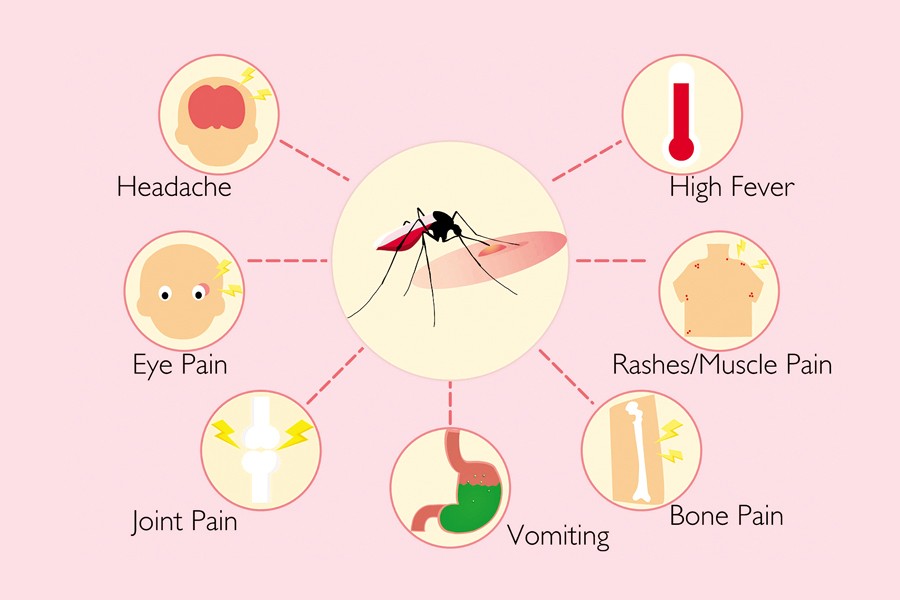
Dengue fever can present with a wide range of symptoms, varying from mild to severe. Common symptoms include:
High fever: Sudden onset of high fever is often the first sign of dengue infection. Severe headaches and joint pain usually accompany the fever.
Body aches: Muscle and joint pain, often described as severe pain behind the eyes and in the joints, is a characteristic symptom.
Skin rash: It may develop a few days after the fever starts. It's usually a maculopapular rash, which appears as small red spots or raised bumps on the skin.
Fatigue and weakness: Dengue fever can lead to extreme fatigue and weakness, leaving the patient feeling drained and lethargic.
Nausea and vomiting: Nausea, vomiting, and abdominal pain are also common symptoms, leading to dehydration in some cases.
Bleeding: In severe cases, manifestations such as nosebleeds, gum bleeding, or easy bruising can occur.
When to seek medical attention
If you experience the symptoms above, especially when dengue is prevalent, seeking medical care is essential. Early detection and proper medical management can significantly reduce the risk of complications associated with dengue.
Treatment
There is no specific antiviral treatment for dengue fever. Treatment mainly focuses on managing the symptoms and preventing complications. Staying hydrated is important by drinking plenty of fluids, especially oral rehydration solutions that can help replace lost electrolytes. Paracetamol is typically recommended for fever and pain relief, but non-steroidal anti-inflammatory drugs (NSAIDs) like aspirin should be avoided, as they can increase the risk of bleeding.
Emergency alert
Sometimes, dengue fever can progress to a more severe form called dengue hemorrhagic fever or dengue shock syndrome. These conditions can be life-threatening and require immediate medical attention. If the patient suffers from severe abdominal pain, vomits blood, has dark-coloured stools, restlessness, difficulty breathing, or bleeding under the skin, seek emergency medical treatment.
Dengue fever can progress rapidly, so staying informed and seeking medical care when necessary can mean the difference between a mild illness and a serious health crisis.
m.nishat26@gamil.com