
Reduce reliance on imports for self-sufficient economy
Says former BB governor
Friday, 3 June 2022
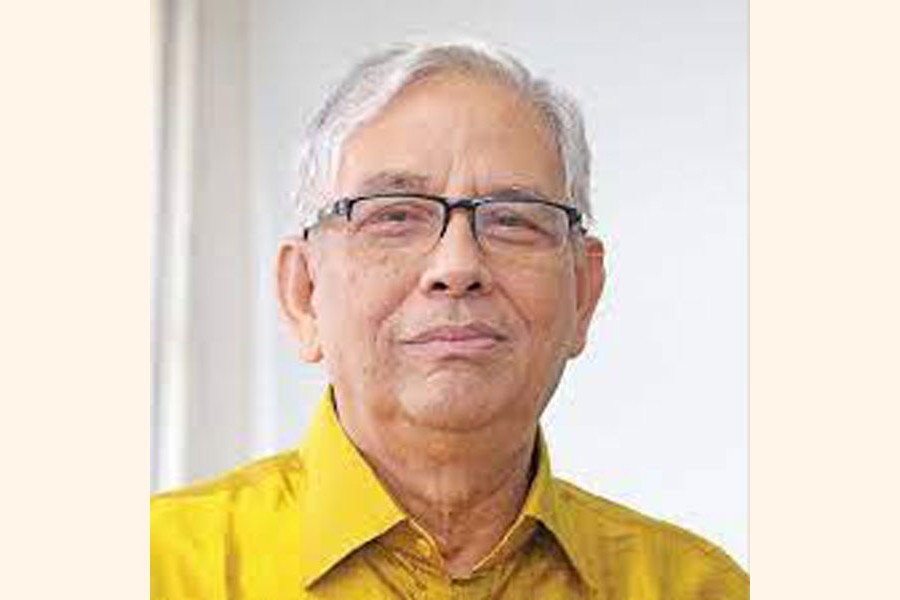
Former Bangladesh Bank governor Mohammed Farashuddin thinks the next national budget should focus on efforts to build a self-sufficient economy by reducing dependency on imports, reports bdnews24.com.
Imports grew by 6.8 percent to $58 billion compared to the last fiscal year in the first nine months of this financial year thanks to the hike in commodity prices on the international market.
This increased pressure on the foreign currency reserves. Last year the reserves stood at $48 billion but they declined to $42 billion this year, prompting the government to take a flurry of steps, such as wooing expatriates for remittances and restricting imports and overseas travel.
Farashuddin thinks the government still needs to do a lot to stop tax evasion, loan defaults and money laundering. These are the biggest challenges in Bangladesh's path to a self-dependent economy. "We must act against them."
Farashuddin, a former personal assistant to Bangabandhu Sheikh Mujibur Rahman, now advises Bangabandhu's daughter Prime Minister Sheikh Hasina to ramp up efforts to collect taxes.
Citing data from the Boston Consulting Group and other research institutions, Farashuddin said 25 million people in Bangladesh earn more than Tk 500,000 annually, but not all of them pay income taxes although they know the law stipulates paying income taxes for annual earnings of over Tk 300,000.
"We should explain to them the benefits of paying taxes, how it profits the country."
Bangladesh's tax collection rate is much lower than other countries in the world. The tax-to-GDP ratio is below 10 percent, whereas it is close to 20 percent in India, 21 percent in Nepal and almost 13 percent in Pakistan.
Farashuddin pointed out that many people in the rural areas are eligible to pay taxes but the government is not making them pay. "This can't go on. [Abul Maal Abdul] Muhith proposed to take the tax offices outside [the capital]. This is needed immediately."
He thinks widening the tax net countrywide will make more investment possible in development.
"Identifying new taxpayers and [collecting taxes from them] is essential and quite possible. If we can raise the number of taxpayers from 2.5 million to 10 million within the next five years, our tax-to-GDP ratio will be boosted to around 19 percent."
Farashuddin also put the spotlight on over-invoicing in imports, under-invoicing in exports and so-called placement trade - factors that are responsible for a lot of money flowing out of the country.
"Many people are travelling abroad during Eid or Puja. Government officials and politicians are among them. We have information that they are taking a lot of dollars with them and engaging in money laundering."
He also said the government is losing revenue due to a lack of opportunity to register lands at the right prices. "The biggest issue is corruption, something the government can absolutely prevent."