
Scores killed in Bakuba: Maliki appeals for Iraq\\\'s unity
Wednesday, 18 June 2014
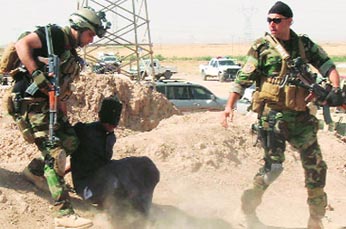
Iraq's Prime Minister Nuri al-Maliki has broadcast a joint appeal for national unity with bitter Sunni critics of his Shi’ite-led government – a move that may help him win US help against rampant Islamists threatening Baghdad. Meanwhile, scores were killed on Tuesday in a battle for another provincial capital, close to Baghdad, and fighting shut Iraq's biggest oil refinery at Baiji, hitting fuel and power supplies. Government forces said they repelled an overnight attempt by insurgents to seize Baquba, capital of Diyala province. Some residents and officials said scores of prisoners from the local jail were killed. There were conflicting accounts of how they had died. ISIL fighters who aim to build a Muslim caliphate across the Iraqi-Syrian frontier launched their revolt by seizing Mosul and swept through the Tigris valley towards Baghdad. The fighters, who consider all Shi’ites to be heretics deserving death, pride themselves on their brutality and have boasted of massacring hundreds of troops who surrendered. Western countries, including the United States, have urged Maliki to reach out to Sunnis to rebuild national unity as the only way of preventing the disintegration of Iraq. US President Barack Obama is considering military options to push back al Qaeda splinter group the Islamic State of Iraq and the Levant (ISIL), which has swept the Sunni north of the country over the past week as the Shi’ite-led army has crumbled. But in return Washington want Maliki to do more to address the widespread sense of political exclusion among minority Sunnis which ISIL has exploited to win support among tribal leaders and former followers of ousted dictator Saddam Hussein. Just hours after Maliki’s Shi’ite allies had angrily vowed to boycott any cooperation with the biggest Sunni party and his government had accused Sunni neighbor Saudi Arabia of backing ‘genocide’, the Prime Minister’s visibly uncomfortable televised appearance may reflect US impatience with its Baghdad protege. In a rerun of previous failed efforts at bridging sectarian and ethnic divisions, Shi’ite, Sunni and Kurdish leaders met behind closed doors and then stood frostily before cameras as Maliki’s Shi’ite predecessor Ibrahim al-Jaafari read a statement denouncing ‘terrorist powers’ and supporting Iraqi sovereignty, according to Reuters.