
Status of microfinance field workers in Bangladesh
Matiur Rahman | Sunday, 29 October 2023
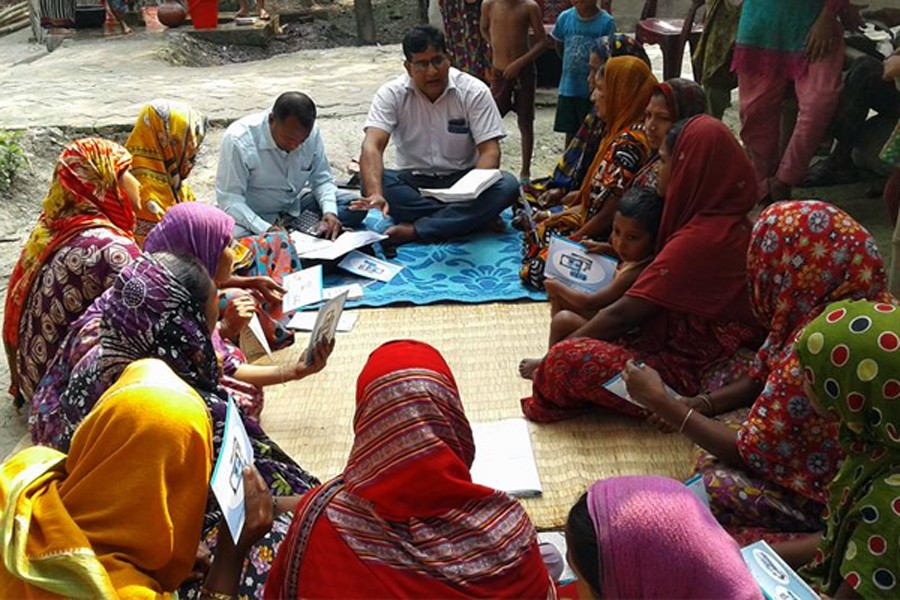
Bangladesh is renowned for its dynamic microfinance sector, which has garnered international recognition for its contributions to poverty alleviation and financial inclusion. The dedicated microfinance field workers are at the heart of this sector and serve as the bridge between financial institutions and the marginalised communities they aim to uplift. Despite their indispensable role in the country's economic development, these field workers often grapple with multifaceted challenges.
Microfinance has been a transformative force in Bangladesh, empowering millions of impoverished individuals, particularly women, by providing access to financial services and credit. The remarkable success of microfinance in Bangladesh is largely attributed to the unwavering dedication and hard work of field workers who facilitate the disbursement of loans, educate borrowers on financial literacy, and ensure repayments.
These field workers are the unsung heroes of microfinance, working tirelessly to bring economic opportunities to rural and underserved communities. They play a pivotal role in identifying potential borrowers, assessing their creditworthiness, and building trust within the communities they serve. This arduous and often emotionally taxing work is the backbone of Bangladesh's microfinance initiatives.
While microfinance field workers are instrumental in facilitating financial inclusion and reducing poverty, their role remains somewhat ambiguous in the broader social context. They are often seen as intermediaries between financial institutions and impoverished clients, making their identity and social status somewhat elusive.
These field workers are neither traditional bank employees nor fully integrated members of their communities. Their work necessitates a unique blend of financial acumen and community engagement, often leading to a paradoxical social standing. They are simultaneously revered for their ability to bring economic opportunities to local communities and subtly distanced from mainstream society.
The social status of microfinance field workers is a complex interplay of respect and challenges. They are respected within the communities they serve, as they are often the precursors of financial assistance and hope. Their impact on impoverished families is substantial, and this gratitude results in a certain level of societal esteem.
However, this respect does not necessarily translate into tangible benefits in broader society. Field workers may receive comparatively low salaries, have limited job security, and face precarious working conditions. While they may be seen as agents of positive change within their communities, this sentiment doesn't necessarily extend to their societal position.
Despite their pivotal role in promoting economic stability within communities, microfinance field workers are not immune to economic vulnerability. In many cases, their income levels are not commensurate with the significance of their work. This financial disparity results in a certain degree of economic dependency on the financial institutions they represent.
The risk of financial dependency underscores the need for fair and equitable compensation structures for field workers. The pursuit of financial inclusion and poverty alleviation should also extend to those on the frontlines of these efforts. Ensuring their economic stability and providing opportunities for professional growth is essential to address this aspect of their social status.
Microfinance field workers often struggle between being part of the community and serving as external agents of change. Community integration is vital for building trust and rapport, as the success of microfinance initiatives hinges on strong interpersonal relationships. Field workers spend considerable time in the communities they serve, learning about local customs, languages, and the specific needs of the people.
This deep engagement sometimes leads to higher social acceptance within these communities. Field workers may be invited to social gatherings, cultural events, and family celebrations, signifying their growing integration. This integration strengthens the relationship between field workers and borrowers and ensures that microfinance programmes remain responsive to the community's needs.
The work of microfinance field workers extends beyond mere financial transactions. They often serve as counselors and confidants to borrowers, listening to their stories, concerns, and challenges. This emotional labour is a significant aspect of their role and can affect their well-being.
The stress and emotional burden associated with their work are often underappreciated. Dealing with borrowers facing financial hardship, health crises, and other personal difficulties can be emotionally draining. This aspect of their work contributes to the complex nature of their social status as they navigate between being respected community members and the emotional burdens of their work.
In Bangladesh, where microfinance has played a crucial role in empowering women, many field workers are women. This gender dimension adds further complexity to their social status. Female field workers often challenge traditional gender roles, serving as role models for women in their communities.
However, they may also face additional challenges due to societal norms and expectations. Balancing work responsibilities with domestic duties can be demanding, and gender-based discrimination may persist in certain regions. Female field workers' social status embodies empowerment and the struggles associated with gender roles.
Recognising and enhancing the social status of microfinance field workers is integral to the continued success of microfinance initiatives in Bangladesh. Several measures can be taken to address the complexities they face.
It is crucial to ensure that field workers receive fair and competitive compensation for their work. This not only acknowledges their contribution but also reduces their economic vulnerability.
Providing opportunities for skill development and career advancement can empower field workers and reinforce their sense of belonging within the microfinance sector. Offering psychological and emotional support to field workers can help them cope with the emotional labour associated with their role.
Promoting gender equality within the microfinance sector and supporting female field workers in breaking traditional gender roles can contribute to their empowerment. Encouraging community engagement and integration while respecting each region's cultural nuances can enhance field workers' social status.
Microfinance field workers in Bangladesh hold a unique and complex social status. They are revered within the communities they serve, yet face challenges that warrant attention and support. Acknowledging their contribution and addressing the nuances of their role can strengthen the microfinance sector and, in turn, foster economic development and financial inclusion in the country.
Dr Matiur Rahman is a researcher
and development worker. matiurrahman588@gmail.com