
Surge of Board, Dice, and Card Games in Bangladesh
AFROZA TARANA | Wednesday, 25 March 2026
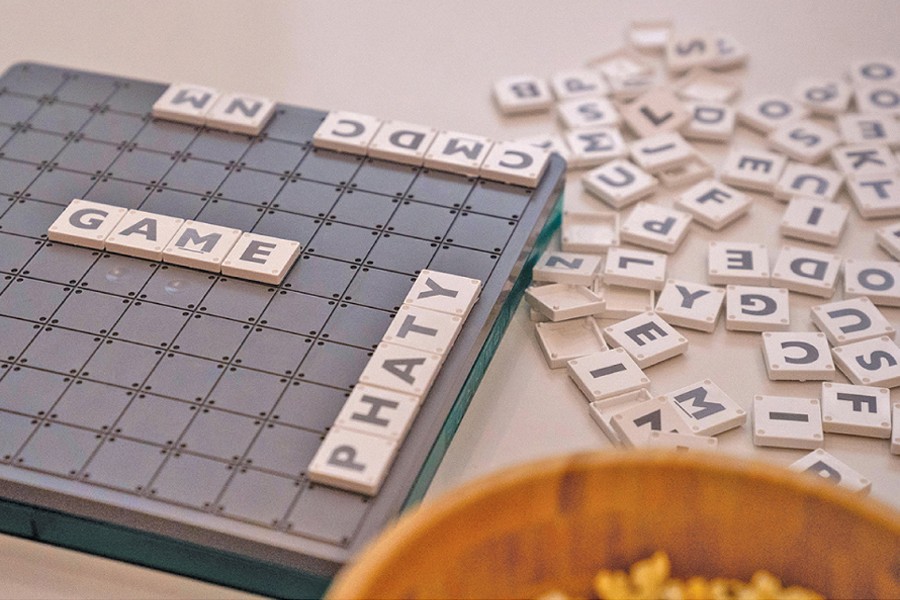
The landscape of leisure in Bangladesh is undergoing a quiet but colourful revolution. If you stepped into a middle-class living room twenty years ago, you would likely see elders huddled over a standard deck of cards playing 29 or Rummy. You might hear the frantic clicks of a Ludo board or see children playing Chor Police or Hakim on small notes. These traditional games were the heartbeat of social life for generations. They were simple and everywhere. However, the scene at family gatherings today looks very different. Sleek card decks and complex boards are replacing games like Snakes and Ludo. Names like Uno, Monopoly, and various mystery-solving games are now the stars of the show.
What exactly do these new games offer that the old ones did not? Why are they suddenly the 'must-have' items for every cousin's meet-up? The answer lies in a mix of strategy, aesthetics, and a deep craving for meaningful interaction in a digital age.
People are shifting away from the repetitive nature of traditional games. They want something that challenges their minds while keeping the atmosphere light and fun. 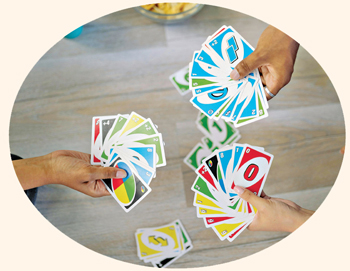 New way to connect across generations
The popularity of these games is most visible during family get-togethers. Cousins who used to sit in separate corners with their phones are now gathered around a single table. This trend is bridging the gap between different age groups in a way that mobile games never could. A class 8 student can compete fairly with a university graduate. Even adults in their 30s and 40s are finding themselves hooked.
"We used to just sit and talk or watch TV during family dinners," says Samiul Islam, a 21-year-old university student from Dhaka. "Now, as soon as the food is cleared, someone pulls out a deck of Uno. It is fast and easy to learn. Even my younger cousins can play without feeling left out. The 'Draw Four' card creates so much drama and laughter. It really breaks the ice and makes the gathering feel more alive."
This sentiment is shared by the younger generation as well. Mariam Nur, a student in class 9, explains why she prefers these games to traditional ones. "Playing Chor Police was repetative, I want to explore something which I found in Instagram reels. I love the mystery card games where we have to find out who the 'killer' is. It is much more exciting than just running around."
Strategy, achievement, and the joy of secrets
One of the biggest drivers for this surge is the variety of experiences these games offer. Unlike Ludo, which depends heavily on the luck of the dice, many modern games reward strategy. Monopoly, for example, offers a sense of achievement. Players feel a rush of pride when they build a 'hotel' or bankrupt an opponent. It simulates a highly engaging business and negotiation world.
For those who enjoy a slower pace, mystery-driven games provide the joy of uncovering secrets. These games require players to read each other's faces and detect lies. It adds a psychological layer to the fun. "I like the thinking part of it," says Farhan Adnan, a 34-year-old bank professional. "life is busy and stressful. When I play a strategy game with my siblings, I have to focus entirely on the board. It is a great way to disconnect from work."
The interactive nature of these games is what keeps people coming back. In a world where most entertainment is passive, like scrolling through social media, board games require active participation. You have to talk, argue, negotiate, and laugh with the people sitting right in front of you. This is why they have become the 'easy and time-saving' solution for entertainment during short meet-ups. The Business behind these 'trendy' games
This trend has not gone unnoticed by entrepreneurs. A thriving online business is growing around tabletop games in Bangladesh. In the past, you could only find basic versions of these games in local toy stores. Now, specialised online businesses are booming. These shops are not just selling games. They are selling an experience.
One of the key factors in this business growth is the focus on 'aesthetics.' Modern card games often feature beautiful, colourful designs and high-quality finishes. Some local sellers even create custom-themed cards that appeal to the Bangladeshi audience. The visual appeal makes these games perfect for 'Instagrammable' moments, further fueling their popularity among youth.
Online platforms like Instagram and Facebook have become the primary marketplaces for these products. Small business owners curate collections of rare board games and promote them through engaging videos.
This accessibility has made it easier for people in cities like Chattogram and Sylhet to join the trend that started in Dhaka.
"The demand has grown tremendously over the last two years," says one of the owners of these popular gamesshops. "People are no longer looking for just the cheapest option. They want the 'Deluxe' editions or the ones with the best artwork. We see a huge spike in orders before Eid or during the winter wedding season. Our colourful, aesthetic decks are our best-sellers because they look great on a coffee table even when they aren't being played."
Why the trend is here to stay
The shift from traditional games to modern board and dice games is a sign of a maturing urban culture. As living spaces become smaller, the need for 'tabletop' entertainment grows. These games offer a way to have a big adventure in a small space. They provide the perfect balance of competition and cooperation.
For the older generation, these games are a welcome change from seeing their children glued to smartphone screens. For the youth, they are a way to be social without the pressure of digital 'likes' or 'shares.' The laughter shared over a 'Reverse' card in Uno, or the tension of a final roll in Monopoly, creates memories that last longer than any viral video.
As the variety of available games continues to expand, so will the community of players. From simple shape-matching games for toddlers to deep-thinking strategy sets for adults, there is something for everyone. The surge in board, dice, and card games is more than just a trend. It is a rediscovery of the simple joy of playing together.
tarana.afroza@gmail.com