
Thai govt forced to beg access to offices
Thursday, 30 January 2014
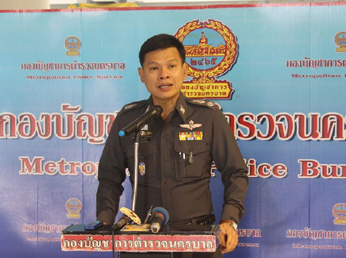
The protest leader, a monk in flowing orange robes, sat sternly at the head of a long hardwood table, his newfound authority in this patch of Bangkok plain for all to see. Before him, three high-level Thai officials were begging permission to get back to work — in offices across the street his anti-government demonstrators had shut them out of two weeks earlier. Tens of thousands of passport applications were piling up, they said. Bankruptcy declarations needed tending to. One official was desperate to access environmental databases. Speaking on behalf of the group, Bangkok’s deputy police chief, Maj. Gen. Adul Narongsak, pressed his palms together in a traditional sign of respect, and smiled meekly. “We are begging for your mercy,” he said. The monk, Luang Pu Buddha Issara, pursed his lips and gave a blunt reply: “Lord Buddha once taught that effects only come from causes. And right now, the cause (of the problem) is this government.” It was an extraordinarily humbling moment for Prime Minister Yingluck Shinawatra’s embattled administration, which ascended to power following a landslide election two and a half years ago. That vote was seen as a major rebuke to the elite establishment that applauded the overthrow of her brother Thaksin Shinawatra in a 2006 army coup. But the popular mandate she enjoys today stands in stark contrast to scenes like these, which underscore just how weak Yingluck’s government has become in the wake of Thailand’s biggest anti-government protests in years. The conflict pits the Bangkok-based middle- and upper-class and southerners who disdain Yingluck against the poor, rural majority who support her and have benefited from populist policies including virtually free health care, according to a news agency.