
The day back with haunting memories
Monira Munni | Thursday, 24 April 2014
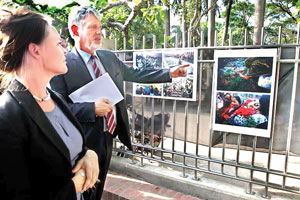
The tragic Rana Plaza day is back today with some core issues relating to the payment of rightful and long-term compensation to families of the victims of the worst industrial disaster in ready-made garment (RMG) sector still unresolved.
Over 100 of the victims, who died under the Rana Plaza rubble could not yet be identified to the concerns and frustration of their family members and relatives.
According to study reports and labour rights groups, families of most of survivors and their families have been facing untold sufferings due to non-payment of their rightful compensation.
A recent study of the ActionAid Bangladesh revealed that majority of the Rana Plaza survivors had been facing immense financial hardship as 73.7 per cent of them were yet to rejoin work due to physical ailment and psychological trauma.
The deadliest RMG sector tragedy took place on April 24 at Savar off Dhaka city leaving more than 1135 people dead and several hundred others critically injured.
The collapse of the eight-storey Rana Plaza building that housed five apparel manufacturing units ruined the dreams of nearly 4,000 poorly-paid workers and their families.
Different labour organisations, rights groups, social organizations and member of the civil society have chalked out various programmes to commemorate the victims and express sympathy to the survivors and the affected families.
The tragic building collapse came as a big blow to the country's apparel industry as it also put the safety issues and workers' rights to questions both home and abroad.
Following the tragedy the government and the local apparel makers came under pressure from local and international arenas to ensure workplace safety and labours' rights in Bangladesh's apparel industry. The EU had already threatened to withdraw the Generalized System of Preferences (GSP) benefit for Bangladeshi products and set a certain deadline for ensuring workplace safety, especially in the apparel sector. The EU accounts for more than 60 per cent of the total exports.
Following the pressure, the EU, ILO and Bangladesh government launched the joint initiative "Global Sustainability Compact" on July 08 last for improving the working condition in garment factories. The US later joined the initiative.