
Thinking through a crisis
Syed Abul Basher | Wednesday, 4 March 2026
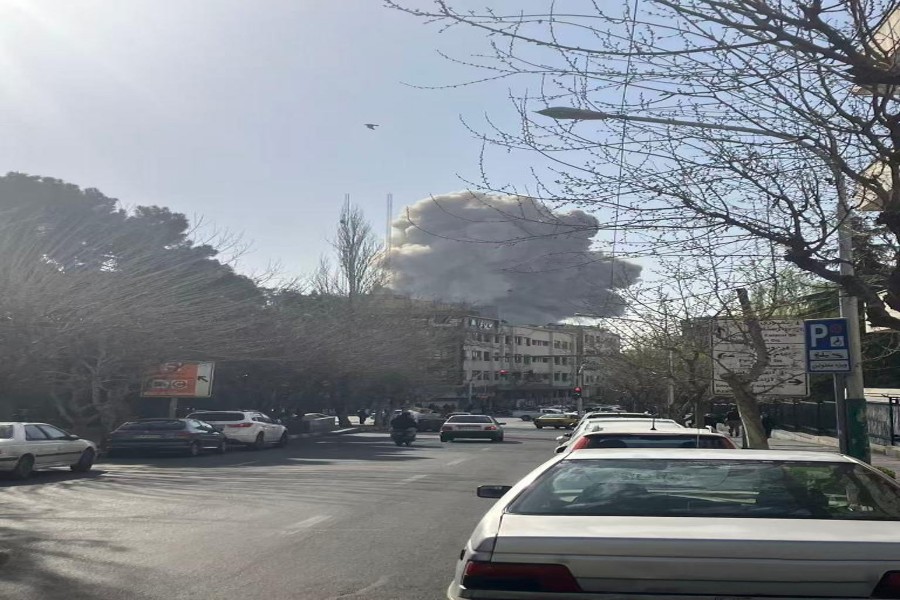
In fast-moving crises, early signals create strong impressions but weak understanding. For countries like Bangladesh, which feel wars mainly through prices and trade rather than battlefields, misreading the timing can be costlier than the shock itself. The following rules help read events while they are still forming.
Time and interpretation
1. The economic effects come quickly while the direction of the war remains uncertain. (Fuel price changes this week, trade patterns change next year.)
2. High-frequency events create low-quality certainty.
(One week of price spikes treated as a permanent trend.)
3. The opening phase of a crisis is the least reliable guide to its lasting effects. (Shipping stops briefly, then reroutes and normalizes.)
4. The danger is responding to the fast variable while ignoring the slow one. (Cutting imports before remittances recover.)
5. Stability during turbulence often matters more than cost during stability. (Buyers choose dependable delivery over slightly cheaper price.)
6. Opportunity lies in functioning steadily while others hesitate. (Orders shift to factories that keep operating normally.)
7. Wait for the adjustment phase before committing long-term decisions. (Avoid locking subsidies at the peak price.)
8. The question is not who is winning, but which phase we are watching. (Early shortage vs later rebalancing.)
How markets behave
9. The first number the market shows is a reaction, not a new equilibrium. (Oil jumps 20 per cent, and then settles lower.)
10. People mistake visibility for importance; the loudest phase isn’t decisive. (Explosions dominate news, contract renegotiations decide trade.)
11. A crisis looks permanent while happening and temporary afterward. (Currency panic fades once flows resume.)
12. For a trading economy, uncertainty hurts more than high prices. (Businesses delay decisions because they cannot plan.)
13. External pressure often comes from our reaction, not the shock. (Import surge drains reserves faster than the price rise.)
14. Small economies suffer less from wars than from misreading duration. (Preparing for years of crisis that lasts months.)
How policy mistakes happen
15. Emergency policies outlive the emergency. (Temporary controls remain after markets stabilise.)
16. Defending a level can cost more than defending stability. (Holding an exchange rate drains reserves rapidly.)
17. In volatility, credibility works better than force.
(Clear guidance calms markets more than restrictions.)
The deeper discipline
18. History turns after observers become certain it will not. (Confidence peaks just before reversal.)
19. Patience is refusing to treat the present as permanent. (Waiting before redesigning policy frameworks.)
20. Early certainty usually means the story has just begun. (Strong predictions appear at maximum uncertainty.)
The writer is an independent researcher and former professor of economics at East West University. syed.basher@gmail.com