
Tokyo voters punish Japan ruling party
Warning sign for Prime Minister Shigeru Ishiba's unpopular govt before July elections
Tuesday, 24 June 2025
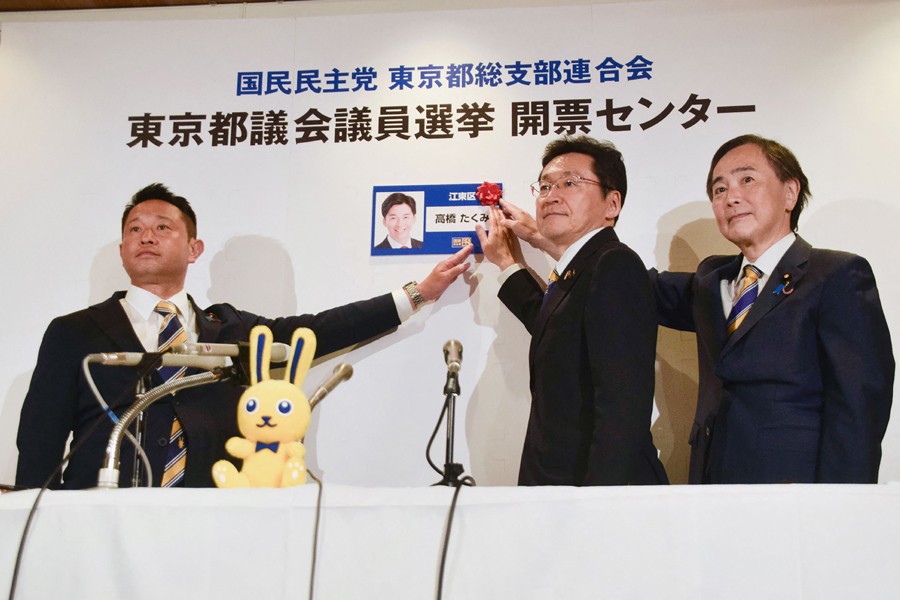
TOKYO, June 23 (AFP): Voters in Tokyo knocked Japan's ruling party from its position as the largest group in the city assembly, results showed Monday, a warning sign for Prime Minister Shigeru Ishiba's unpopular government before July elections.
Japanese media said it was a record-low result in the key local ballot for the Liberal Democratic Party (LDP), which has led the country almost continuously since 1955.
Public support for Ishiba, who took office in October, has been at rock-bottom for months, partly because of high inflation, with rice prices doubling over the past year.
The LDP took 21 Tokyo assembly seats in Sunday's vote, including three won by candidates previously affiliated with the party but not officially endorsed following a political funding scandal.
This breaks the party's previous record low of 23 seats from 2017, according to the Asahi Shimbun and other local media.
Tomin First no Kai, founded by Tokyo governor Yuriko Koike, increased its seats in the 127-member assembly to 31, becoming the largest party.
"This was a very tough election," Shinji Inoue, head of the LDP's Tokyo chapter, said Sunday as exit polls showed a decline in the party's seats.
The funding scandal "may have affected" the result, while policies to address inflation "didn't reach voters' ears very well" with opposition parties also pledging to tackle the issue, Inoue said.
Within weeks Ishiba will face elections for parliament's upper house, with reports saying the national ballot could be held on July 20.
Voters angry with rising prices and political scandals deprived Ishiba's LDP and its junior coalition partner of a majority in the powerful lower house in October, marking the party's worst general election result in 15 years.
Polls this month showed a slight uptick in support, however, thanks in part to policies to tackle high rice prices.
Several factors lie behind recent shortages of rice at Japanese shops, including an intensely hot and dry summer two years ago that damaged harvests nationwide, and panic-buying after a "mega-quake" warning last year.
Over this time some traders have been hoarding rice in a bid to boost their profits down the line, experts say.