
Turkish bank shares drop after cenbank begins rolling back lira protection scheme
Tuesday, 22 August 2023
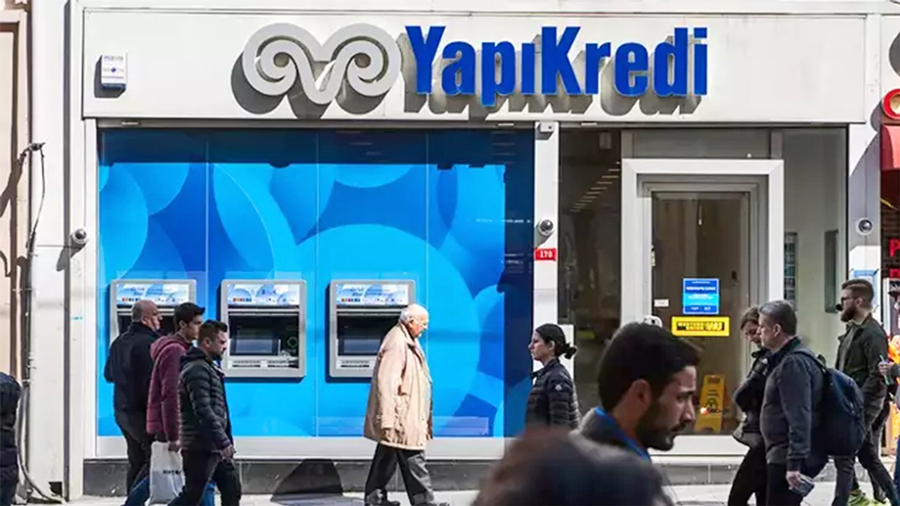 ISTANBUL, Aug 21 (Reuters): Turkish bank shares dropped and the lira touched a record low against the dollar on Monday after the central bank began rolling back a scheme that protects lira deposits from foreign exchange depreciation.
The central bank on Sunday stopped targeting conversion from foreign currency deposits to FX-protected lira deposits under the KKM scheme introduced by President Tayyip Erdogan's government in late 2021 to arrest a historic plunge in the lira.
It said banks should encourage the transition from KKM accounts to regular lira accounts, in part by dissuading companies and individuals from renewing the KKM accounts.
The main banking index dropped as much as 5.4 per cent before recouping losses. It was down 3.6 per cent at 0911 GMT. The lira touched a record low of 27.1675 against the dollar, slightly weakening from Friday's close.
"The initial reaction has been a selloff (in banking shares)due to expectations that the deposit rates will increase, net interest margins will narrow even though lira KKM is at a relatively low level," a fund manager said, requesting anonymity.
"It looks like banks will continue to be used as a policy tool," the person said, adding that this raises expectations that new measures will be implemented in the banking sector in the medium term, which may continue to pressure banking shares.
Shares in Turkey's Akbank led losses in the sector, falling 4.5 per cent and was the worst performer in the BIST-100 main equity index, which was up 1.17 per cent.
Yapi Kredi Bank, Garanti Bank and Is Bank shares fell between 3.7 per cent and 3.1 per cent.
Haluk Burumcekci, founding partner at Burumcekci Consulting, calculated that the aim was a reduction of 15 per cent by the end of the year in KKM account deposits, which he said currently stand at 3.36 trillion lira ($123.7 billion).
The KKM accounts have ballooned since 2021 to around a quarter of total bank deposits, largely stoked by a roughly 68 per cent fall in the lira over the last two years.
To cover KKM depreciation costs, the central bank paid an estimated 300 billion lira in June and July, when the lira plunged again. This month's costs were estimated at 350 billion lira.
The central bank has also raised lenders' reserve requirement ratios for FX deposits, further nudging customers into regular lira accounts.
"Increasing loan interests after FX-protected deposits decisions can reduce the loan demand, which will be negative for banks," said Filiz Eryilmaz, chief economist at brokerage ALB Yatirim.