
US birth control ruling fuels battle over corporate rights
Tuesday, 1 July 2014
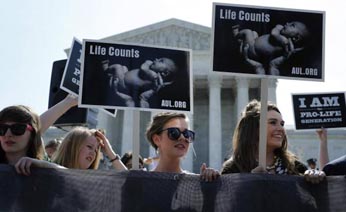
The U.S. Supreme Court has opened up a new front in the battle over corporate rights by ruling that family-owned and other closely held corporations can mount religious objections to government action. Monday's decision came in a case in which companies sought an exemption to a provision of the 2010 Obamacare healthcare law that requires employers to provide insurance coverage that includes birth control. The court allowed the exemption and in so doing raises the possibility of religious-based exceptions on issues such as blood transfusions, antidepressants, and vaccinations, liberal Justice Ruth Bader Ginsburg warned in her dissenting opinion. She added that there was nothing in the majority opinion, written by conservative Justice Samuel Alito, that foreclosed the possibility of a publicly traded company making a similar claim. The majority's logic ‘extends to corporations of any size, public or private,’ she said. Alito said there would be various obstacles to such a company making a claim. He questioned whether a broad array of shareholders would ever agree to run a company under the same religious beliefs. He said it ‘seems unlikely’ that big public companies would ever want to make a religious claim. The high court ruled 5-4 in lawsuits brought by two family owned companies, Hobby Lobby Stores Ltd and Conestoga Wood Specialties Corp. It concluded for the first time that such closely held corporations could make religious-based objections under a 1993 law called the Religious Freedom Restoration Act (RFRA). Some lawyers critical of the decision said it paved the way for business owners to discriminate against certain employees, including gays and lesbians. Others said corporations could seek exemptions from environmental regulations. The court's majority and lawyers representing the companies involved in Monday's case insisted the ruling is narrow. Who ends up being correct about the scope of the ruling will become clearer when lower courts test the limits of the decision in future cases, according to Reuters.