
US cattle farmers caught between high costs and weary consumers
Monday, 16 February 2026
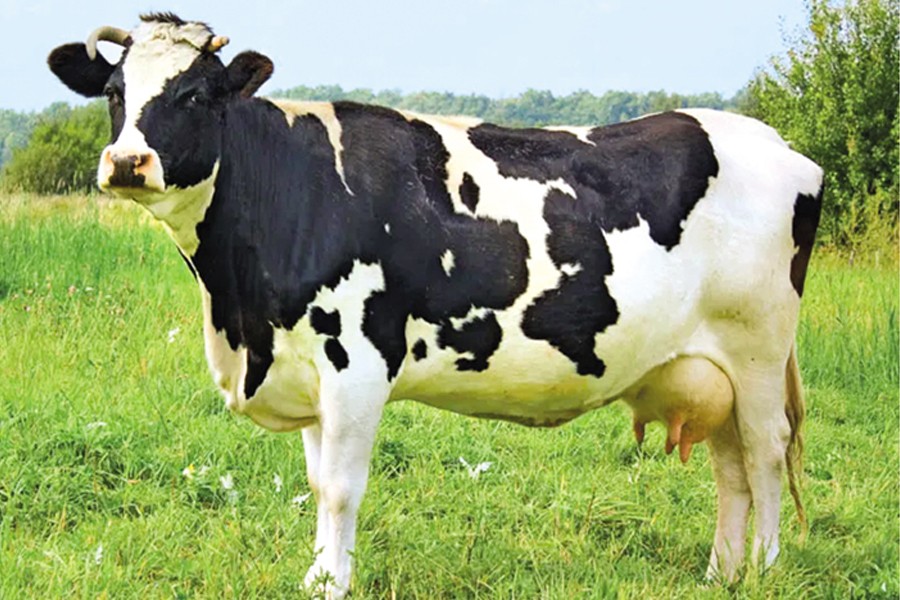
WASHINGTON, Feb 15 (AFP): In rural Virginia, dozens of young cows belonging to Chris Stem graze by a frozen pond. He is living his childhood dream of being a farmer-but reality is starting to bite.
Despite soaring beef prices as the US cattle population hit a 75-year low, farmers like Stem are feeling the squeeze from steeper business costs, budget-conscious consumers and President Donald Trump's trade policy.
"The cost of doing business is almost outpricing (our ability) to continue to raise cattle," Stem told AFP.
"From cutting hay to feeding the cattle to maintaining equipment, maintaining staff, feed, everything has gone up," he said. "When does that stabilize and stop?"
Trump's latest move to boost Argentine beef imports is adding to concerns, vexing a key support base of the Republican president as midterm elections approach.
Stem, 40, has a herd of around 250 cattle in Ashland, Virginia.
Most are sold at larger markets where they are purchased and fed to slaughter weight, while around 15 per cent is processed nearby and sold at Stem's butcher shop.
For him, higher beef prices have been a double-edged sword.
His revenue from selling cattle has risen, but so have operational costs.
And there are limits to how much he can hike consumer prices at his shop to make up the margins.
"They will only spend but so much on a cut of beef, especially when you have imported meats that you can purchase for 50 per cent to 60 per cent less at a larger store," Stem said.
Already, ribeye that sold for $14.99 a pound in 2019 now sells for $32.99, he said. His customer sales have dropped by 30 per cent.
To afford the property, he has diversified operations at Oakdale into winemaking and hosting events like weddings.
Steeper beef prices have become a symbol of high living costs in the world's biggest economy, which has fueled voter frustration. Last fall, Trump demanded that ranchers slash their prices.
Trump has since exempted Brazilian beef from sharp tariffs, and moved this month to expand imports of trimmings from Argentina to cool ground beef prices.