
SPAIN- ARGENTINA FINAL
Where colonial history meets Messi connection
Saturday, 18 July 2026
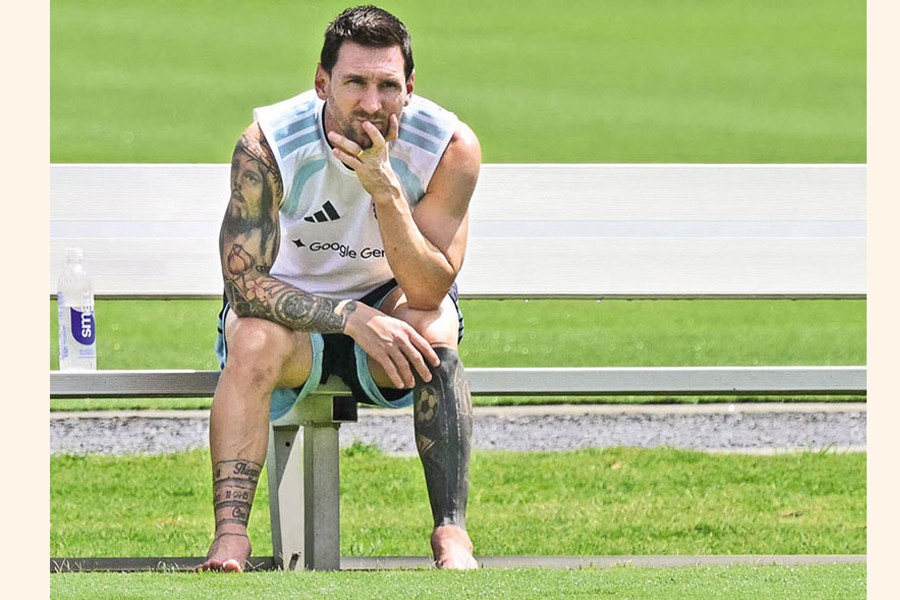
A World Cup final between Spain and Argentina is more than a clash between two football powers. It brings together two nations whose relationship stretches back more than five centuries-from Spanish colonial rule to Argentina's independence, and now to football's biggest stage. Adding further intrigue is Lionel Messi, who spent 21 years of his football career in Spain before becoming Argentina's greatest modern icon.
The connection between the two countries began during the Age of Exploration. In the 16th century, Spanish expeditions reached the Río de la Plata region while searching for new trade routes and the rumoured riches of silver. Although those treasures were never found, they inspired the name "Argentina," derived from the Latin word argentum, meaning silver. Unlike Spain's rapid conquest of the Aztec and Inca empires, colonisation in present-day Argentina was slower and more complex. Over time, Spain established settlements and administrative control, eventually incorporating the territory into the Viceroyalty of the Río de la Plata in 1776. Argentina remained under Spanish rule until the early 19th century, when independence movements, fuelled by Enlightenment ideals and Spain's political turmoil during the Napoleonic era, brought colonial rule to an end. Despite independence, the two nations retained deep cultural, linguistic and historical ties.
Those historical links eventually evolved into two of world football's most influential nations. Spain became synonymous with possession-based football and an outstanding youth development system, producing the golden generation that won Euro 2008, the 2010 World Cup and Euro 2012. Argentina, meanwhile, built its football identity around creativity, passion and exceptional individual talent, producing legends from Diego Maradona to Lionel Messi and winning multiple World Cup titles.
No player better symbolises the relationship between the two countries than Messi. Born in Rosario, he moved to Barcelona at the age of 13 after the club agreed to finance treatment for his growth hormone deficiency. At La Masia, he developed into one of football's greatest players, spending more than two decades in Spain while rewriting Barcelona's record books.
Because he spent much of his youth in Spain, Messi became eligible to represent the Spanish national team. At one stage, Spain seriously considered bringing him into its setup, raising concerns within Argentine football.
Those concerns intensified in the early 2000s after members of Marcelo Bielsa's coaching staff watched a VHS compilation of the teenage Messi during a visit to Barcelona. Argentina then moved swiftly to arrange a youth international against Paraguay, ensuring Messi made an official appearance and preventing any possibility of him representing Spain.
Yet those close to Messi have always insisted his choice was never in doubt. Despite building his club career in Spain, he always wanted to play for Argentina. Family, identity and national pride outweighed the opportunity to join one of football's strongest national teams.
That decision ultimately shaped football history. After years of heartbreak in international finals, Messi led Argentina to Copa América glory before lifting the 2022 FIFA World Cup, cementing his status as one of the game's greatest players.
On the pitch, Sunday's final also promises a fascinating tactical battle. Spain's patient possession game and structured build-up will be tested by Argentina's blend of technical quality, defensive organisation and attacking flexibility. Midfield control, pressing and transitions are expected to play decisive roles.