
The rise of third place
Why cafes, bookstores and gyms feel like home
WAHID SAMI | Wednesday, 23 April 2025
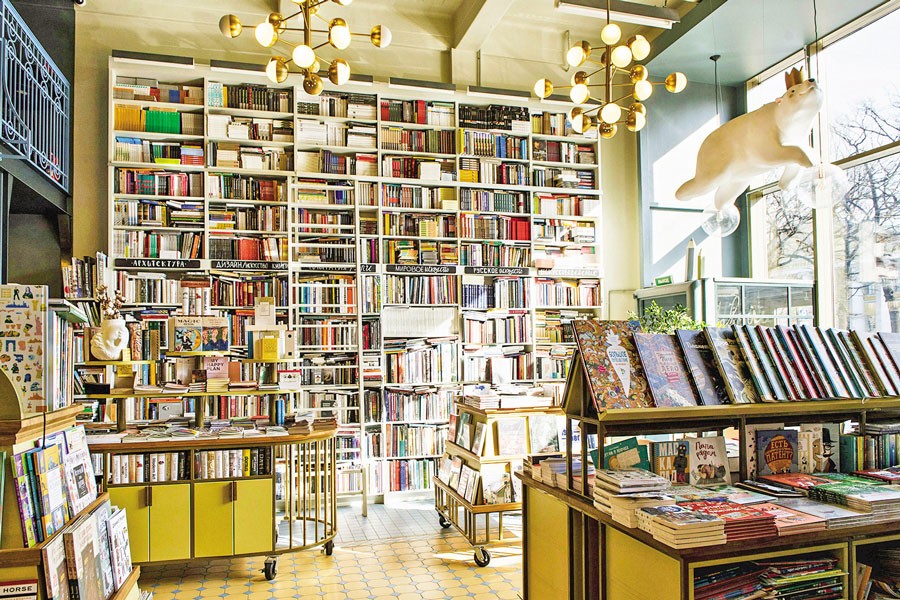
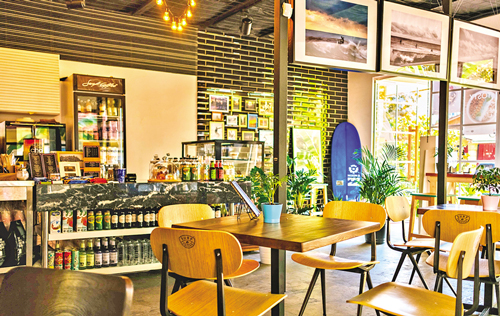 In 2020, when COVID-19 hit, people quickly realised they missed more than just offices and restaurants-it was the in-between, smaller places, the local coffee shop, the community bookstore, and the midnight gym full of regulars.
In sociology-speak, these are called 'third places,' casual hangout zones between home (the first place) and work (the second place). Their value could only have increased in the pandemic's aftermath of remote working and virtual interaction fatigue.
They're not destinations; they're experiences. They're where people go not out of necessity but by choice, for presence, community, and belonging.
A resurgence forged in solitude
Sociologist Ray Oldenburg first used the term "third place" in his book The Great Good Place, where he identified its function in fostering democratic discussion and community well-being.
This absence of such communal spaces was most acutely experienced during lockdowns. As the restrictions could be eased, there was a universal desire to return to spaces that provided more than a change of scenery.
Cafes, for example, have traditionally been vibrant, living, breathing hubs of social life. The University of the Western Cape research identified how campus cafes operate as third spaces, facilitating student socialisation and community formation.
Bookstores themselves have experienced a resurgence. Barnes & Noble announced plans to launch 60 new stores in 2025, attributing this growth to the influence of TikTok's BookTok community, which has helped drive book sales among young readers especially. These places are more than a location to discover books; they are havens where literary enthusiasts can gather, share, and connect. 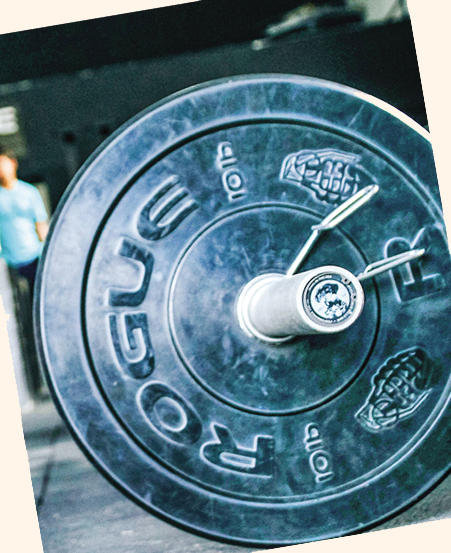 Fitness gyms as modern-day social hub
And then there are gyms, spaces previously linked to physical well-being alone but now perform emotional and social roles.
Though the pandemic saw home workouts and virtual classes become the norm, several individuals returned to gyms not merely for the equipment but also the community.
Gymnasiums are so much more than they used to be. In this wellness era, they have evolved into vibrant centres of community life.
Gyms are now institutions where individuals not only focus on their physical health but also engage in social engagement, participate in group classes, and feel like they belong.
This shift is reflective of a broader cultural trend towards holistic wellness. Gyms aren't just filled with machines anymore; they have meditation rooms, smoothie bars, social events, and wellness classes. They're places where people cultivate their minds and bodies, and showing up is half the emotional reward.
The emotional importance of third places
One would wonder, are not social sites the contemporary "third places?" Is Discord the new hangout and group chats in the new living room?
To some extent, yes.
Online communities have been a source of fantastic support and connectivity, especially for people in rural or distant areas. Nevertheless, there is still something precious about being present in the flesh.
The shift towards hybrid living, working remotely, streaming our entertainment, and ordering food via apps has made third places more necessary than ever.
Third places give us a sense of grounding and create a physical experience in a world increasingly dominated by screens. But the significance of third places extends well beyond physical presence. They have a critical function in promoting mental health. The following are potentialities of socialising, participating in civic endeavours, and developing social contacts, factors crucial for maintaining cognitive health and well-being.
Challenges and the Way Forward
Despite their value, third places aren't invulnerable. Rising rents, corporate expansion, and the appeal of remaining in place threaten their survival. Independent coffee shops and bookstores battled the pandemic, and some didn't make it.
This is where intentionality becomes essential. Shopping at local businesses, attending neighbourhood events, or simply being present can help these vital places survive.
City planners and policymakers are also beginning to reimagine the city's design, encouraging more pedestrian-friendly neighbourhoods and mixed-use developments where third places can flourish.
Investment in these public spaces is, in fact, an investment in public well-being. They create lower stress levels and increase social bonds and even civic participation.
A quiet revolution
The return of third places isn't loud, it's not viral, and it doesn't happen with hashtags or hype. It happens slowly when someone chooses to read at a cafe instead of at home or when a group of friends signs up for a local yoga class instead of another Zoom hangout.
And yet, it is a quiet revolution in how we live, relate, and reconnect.
In a time when home and work have blurred into the same space, third places are reclaiming their role, not just as buffers between the two, but as something vital and vibrant in their own right. They're not just places we visit. They're places that welcome us repeatedly until they feel like home.
iamsami0700@gmail.com