
The Loneliness Epidemic
Why do people feel alone in a crowded Dhaka
SUMAIYA RIVA | Wednesday, 29 April 2026
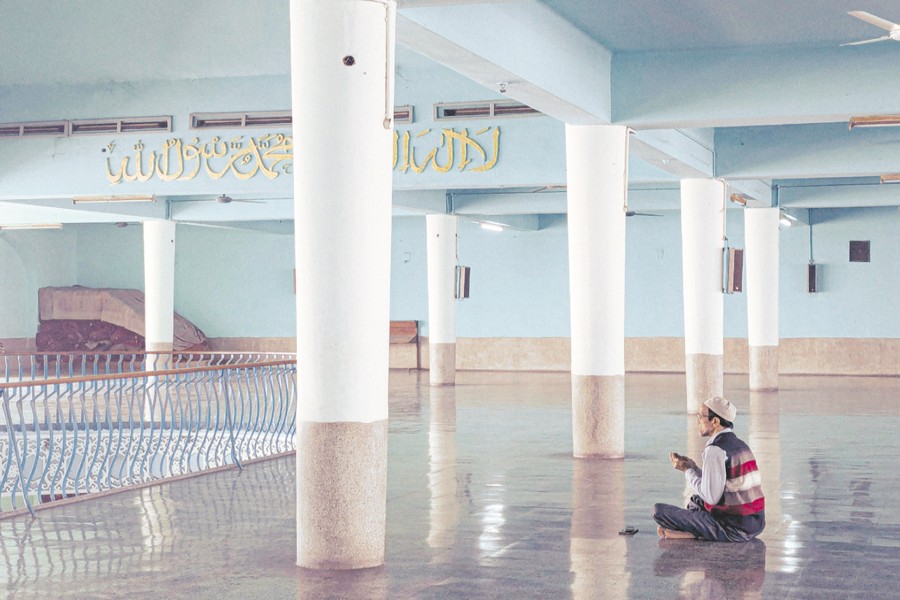
Abu Obayed Haque, a newcomer in the field of freelancing, has been living in a joint family in Old Dhaka. Because of his job and responsibilities, he can't avoid people, which makes him tired. "I don't have my own space at my own house, I feel zoned out sometimes. Sometimes I feel isolated as if no one is related to me," said Obayed.
Mr Obayed Haque doesn't feel sad; he feels alone, even though he lives with 20 people. From a social scientist's perspective, this is called the loneliness epidemic, a systemic feeling of social isolation and the subjective feeling of being alone, which now affects a significant portion of the global population, including Bangladesh.
Dhaka is a busy city that never sleeps, never has a day off. From dawn to late at night, it stays alive and moving constantly, without any break or rest.
People have to live in close quarters, sometimes in tiny spaces, especially in old Dhaka, one of the most crowded cities in the world.
But even in this crowd, there is another side that we don't often notice. Many people in Dhaka feel very alone, even when others are around them.
The illusion of connection
At first glance, Dhaka doesn't give off a lonely vibe, as the streets are always crowded. People often see familiar faces even on buses, and of course, there are people everywhere, on the footpath or in a rickshaw. There is no personal space, even at the earliest hours of the day, when you go to a park.
Social media also creates a sense of constant connection. People are always talking, sharing, and reacting to something. But being connected is not the same as feeling close.
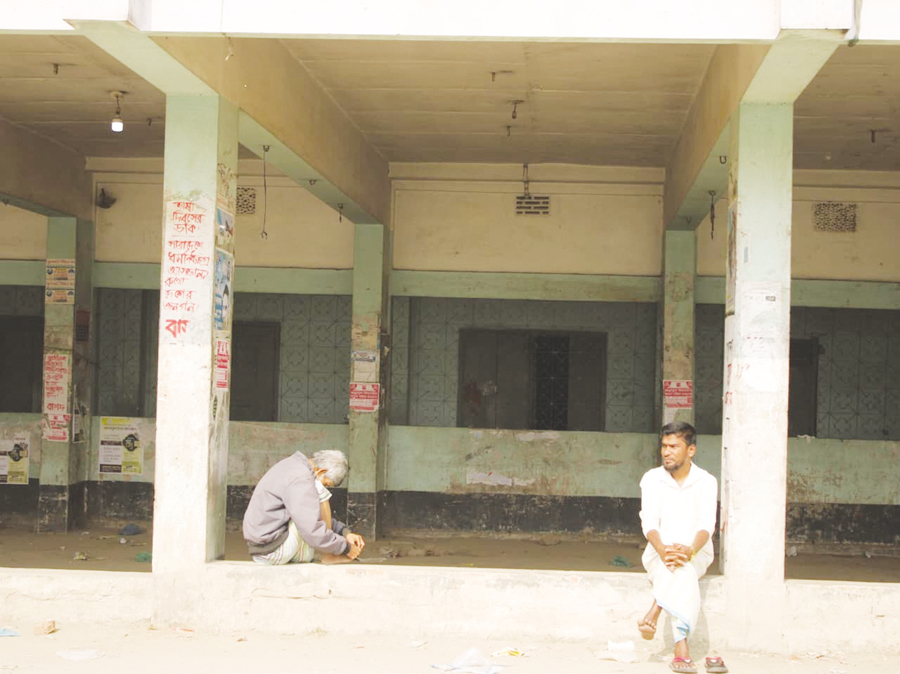
In Dhaka, life feels busier and more individual — Photo: Shubhra Dhar
Scrolling through Facebook or Instagram may feel like interaction, but it rarely provides real emotional support or connection that one may crave. It can even make loneliness worse, especially for the young. Seeing others' posts about success, travel, or relationships can create pressure and comparisons. It can leave someone feeling left behind, even when they are trying their best.
Urban life and the emotional distance we feel in Dhaka
Dhaka has changed a lot over the years. Not just in terms of buildings and roads, but in how people live and connect. Many people come here from villages or small towns, hoping for better education, jobs, and a more secure future.
But in that journey, they often leave behind the close relationships and familiar support systems they grew up with.
In villages, life usually feels more connected. Neighbours know each other well, people drop by without much formality, and relationships grow naturally over time.
In Dhaka, things are different. Life feels busier and more individual. People live in the same building for years, yet might not even know their next-door neighbour.
Work makes this even harder. Long office hours and daily traffic take up most of the day. By the time people return home, they are often too tired to talk, meet friends, or build new relationships.
The pressure of keeping yourself going in life in Dhaka often feels like a race. There is always something to achieve. Getting into a good university, finding a stable job, or building a certain lifestyle, the race never stops. It's a trap where once you step in, you have to run until you are alive. People tend to ignore their emotions in this rate race.
Feelings like loneliness or stress are pushed aside because there seems to be no time to deal with them. Even to have a pause and think about all of this seem luxury to many.
At the same time, many hesitate to admit they feel lonely. In a society that values strength, it can feel like a weakness.
Changing family dynamics and relationships
Family structures are also changing. Joint families are becoming less common, and more people are living in smaller households.
It creates emotional distance. For young professionals living alone, the change can feel significant. Simple daily moments like eating together or having casual conversations become rare.
On the other hand, when you live in a joint family, no one shares your mentality, and everyone is busy with their own work.
For married couples, responsibilities such as work and finances can take over. This often leaves little time or energy to truly connect.
Women facing invisible isolation
Loneliness does not affect everyone in the same way. For many women, it appears in different ways. Homemakers often experience repetitive routines. They have limited chances to go out or meet others.
Over time, it creates a deep sense of isolation.
Working women, on the other hand, face pressure in professional spaces too. Many colleagues surround them, yet they don't have meaningful connections.
Our mental health
Another challenge is the lack of open discussion about mental health. Although awareness is slowly improving, many people still hesitate to seek help.
Loneliness is often seen as temporary. However, when it continues for a long time, it can affect both mental and physical health. It may lead to anxiety, depression, and other serious issues.
Access to professional help is also limited. Therapy can be expensive, and social stigma still exists. Many people continue to struggle without support.
Small steps that matter
Despite these challenges, loneliness is not impossible to address. It often begins with small actions. Taking time to talk to a friend, listening without distraction, or simply checking on someone can make a difference.
Even small gestures, like greeting a neighbour, can help build a sense of connection over time if appreciated.
Community spaces can also play a role. Parks, libraries, and cultural activities create opportunities for people to interact more naturally.
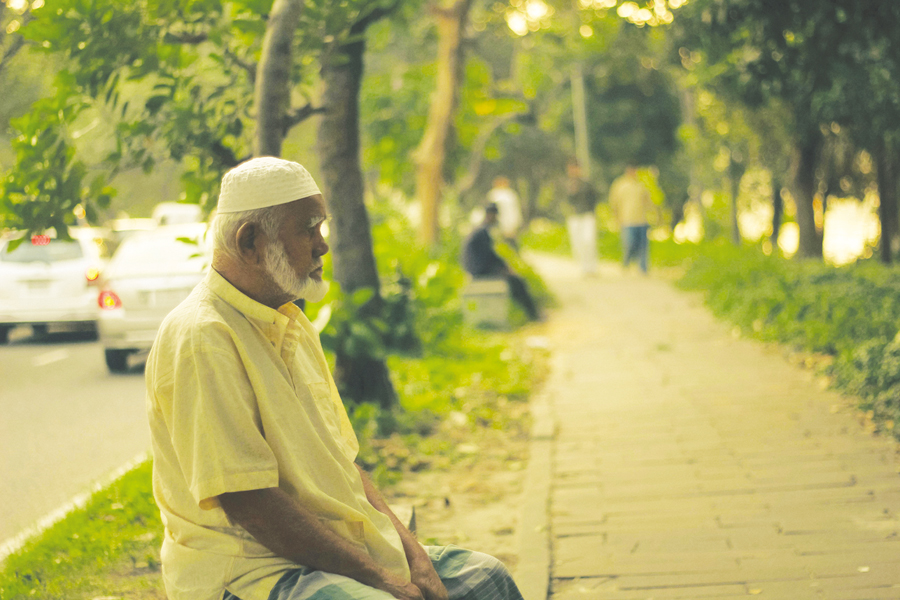
— Photo: Tanha Tamanna Syed
Loneliness is not about the number of people around us, but about the quality of those relationships. Real connection comes from feeling understood, valued, and emotionally supported.
Loneliness is not something to shy away from. Sometimes it is to listen to someone without judgment, sometimes to let people be the way they want. It is the ultimate practice of 'Live and let live' where people have small, meaningful connections rather than feeling distant in a large 'friend circle.' maiyariva1120@gmail.com