
THE MISSED OPPORTUNITY
Why part-time jobs for students matter
Epan Mohammad Arman and Sheikh Shabab Tawkee Rupok | Sunday, 23 November 2025
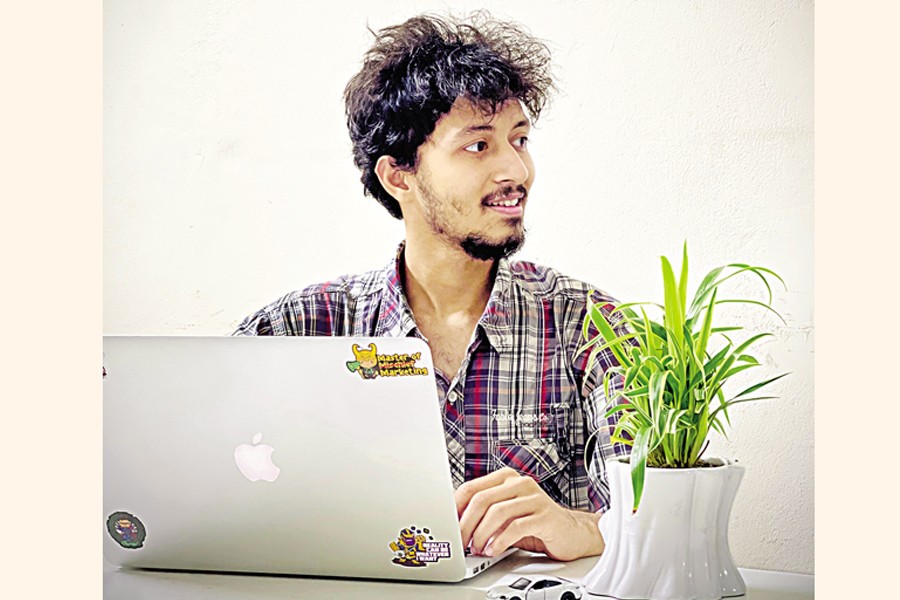
Bangladesh is facing a youth puzzle it has not fully solved. Nearly one-third of the population is between 15 and 29, making it one of the youngest countries in the region. We often call this a big advantage, yet many young people still struggle to find jobs and the jump from school to work takes far too long. It feels like holding a bucket of fresh water but letting most of it spill. One practical idea could help change this, but we barely use it. Supporting students to take on safe, well-organised part-time work through clear government action could finally turn this huge youth energy into real results.
Part-time work is a common attribute of student life in countries like Japan, Germany, South Korea and the Netherlands. These countries did not reach this point by chance. Japan built a regulated student worker system where universities match students with businesses and ensure employers follow rules on hours and safety. Germany uses its dual education model where students split time between school and paid work under monitored training contracts. South Korea introduced youth employment laws that limit working hours and require written contracts, which increased trust between students and employers. The Netherlands formalised student employment through cooperation between labour agencies and schools, which created thousands of flexible roles in retail, hospitality and local services. Young people in these countries gain income, work habits and confidence because the system supports student work rather than discourages it. Across Asia, from India to Sri Lanka and Pakistan, countries are also moving towards structured student work, proving that this concept fits our region's realities.
In Bangladesh, however, part-time jobs continue to bear stigma. It is perceived as being symptomatic of financial stress or a distraction from studies. Employers are reluctant to hire students formally, universities rarely offer such opportunities, and there is no supportive national policy framework. Global evidence suggests that part-time jobs help students grow into adaptable, skilled and responsible workers.
The urgency is unmistakable. Many Bangladeshi graduates finish their studies with little practical experience. Most employers prefer experienced people, and many fresh graduates keep looking for jobs for several months, often for years. In 2023, over 46 per cent of graduates had to wait more than one year for their first job. The result is wasted youth potential, mounting frustration and lower productivity. Part-time work can cut this transition drastically. A few hours of structured work every week give students exposure to real-world skills such as communication, problem-solving, teamwork and discipline. These experiences guide career decisions and make the young generation more employable. Textbooks alone cannot teach the soft skills required in modern workplaces.
Equally strong are the arguments at the macroeconomic level. Thousands of Bangladesh's youths remain idle every year waiting for full-time opportunities. This lowers productivity and weakens the labour market. The introduction of regulated, documented part-time work would bring young people into the economy earlier. It would also strengthen the formal sector by improving labour documentation and raising workplace standards. Part-time work gives early exposure to entrepreneurship that helps many students gain confidence in launching their own ideas later.
First, Bangladesh needs a clear policy framework defining student part-time employment. This should detail maximum hours per week, conditions relating to the requirement of a contract, rights and responsibilities. Recognising student part-time workers as a separate category would remove legal ambiguity and give employers confidence in joining the scheme. Countries like South Korea and Japan took the same step by legally defining student work, which reduced exploitation and increased safe participation.
Secondly, the government should create some incentives for organisations to hire students. Tax reductions for companies that employ students, subsidies for short training and national recognition for youth-friendly employers can reshape hiring patterns. India used similar tools in several states, where companies partnering with universities receive modest credits and in return keep student workers on flexible shifts.
Thirdly, part-time work has to be integrated into universities' student development. Strengthened career centres, partnerships with industries and schedules aligned with academic timetables would help students work without compromising their studies. Many universities worldwide treat part-time work as part of professional training, sometimes offering course credit or supervised mentorship. German higher education institutions do this widely, linking academic advisors with employers to monitor student workers' progress.
Not only reforms at the institutional level, there is a need for cultural change. Part-time work needs to be viewed as preparation for adulthood, not a sign of struggle. In advanced economies, working during student life is a matter of pride, reflecting independence and resilience. The adoption of this thinking in Bangladesh would leave young people empowered rather than discouraged.
Several social actors can hasten this change. Influencers can use their platforms to underscore how every type of job is dignified and valuable, especially temporary or flexible jobs. Electronic media should run stories, campaigns and debates that help correct misconceptions about part-time work. Festivals, campus events, theatre, film and storytelling can also highlight the struggles and triumphs of students who balance studies and work.
As Bangladesh moves towards higher middle-income status, its economic future rests on how prepared its youths are. The corporate world, government and entrepreneurship ecosystem will all need employees who can adapt quickly, communicate well and think critically. Structured part-time work builds exactly those qualities. It creates workers who understand deadlines, respect collaboration and navigate real-world challenges before graduating. Normalising student part-time work is a strategic investment in the country's human capital. It unlocks confidence, experience and economic participation long before graduation. Normalising student part-time jobs is not about pushing youths into low-wage labour; rather, it is about learning by doing, earning with dignity and preparing for a fast-changing economy. Bangladesh's youths have the ambition. With the right support, they can acquire the experience needed to move the country towards a more resilient and prosperous future.
Epan Mohammad Arman is studying at Department of Philosophy and Sheikh Shabab Tawkee Rupok is studying at Department of Development studies at University of Dhaka.
imifan563@gmail.com, rupok.du.ds@gmail.com